




Introduction: A major maritime incident has occurred at a key European container hub. On July 14, 2026, a serious dangerous goods leak was reported in the Deurganck Dock area of the Port of Antwerp-Bruges, Belgium. Hydrofluoric acid leaked from an MSC container vessel berthed at the port, triggering a high-level emergency response.
The incident resulted in multiple hospitalizations and the immediate suspension of operations in the affected area. It has also increased the risk of vessel schedule delays and cargo backlogs on European shipping routes, raising concerns for freight forwarders and international trading companies handling cargo arriving at or transiting through the Port of Antwerp.
This article outlines the incident, reported injuries, the latest response measures, the risks associated with hydrofluoric acid, the potential impact on cross-border logistics, and recommended actions for freight forwarders.
I. Incident Details: Hydrofluoric Acid Leak on MSC Vessel Forces Emergency Suspension of Operations
According to announcements from the Port of Antwerp-Bruges and reports by The Loadstar, IndexBox, and other maritime media outlets, a serious dangerous goods leak occurred at approximately 9:30 p.m. local time on July 14, 2026, at the MPET terminal in the Deurganck Dock area of the Port of Antwerp, Belgium.
The incident involved the Liberia-flagged MSC container vessel MSC MIA SUMMER II. An on-site inspection confirmed that a container had sustained a crack of approximately 10 centimetres, causing its contents to leak continuously and release highly toxic vapour.
The damaged container was carrying hydrofluoric acid, a Class 8 corrosive dangerous good. The highly corrosive and toxic liquid and vapour continued to escape, creating a major safety hazard.
After the incident occurred, the port immediately activated its municipal emergency response plan. Fire services, emergency medical teams, and dangerous goods specialists were dispatched to the scene.
To prevent the toxic vapour from spreading and reduce the risk of exposure, operations in the affected area were partially suspended, personnel were evacuated, and the area was sealed off.
The incident affected only part of the port. The Kieldrecht Lock bridge was fully closed, and nearby navigation channels were temporarily closed to vessel traffic.
Vessel berthing and departure, container loading and unloading, and truck and rail hinterland transport operations were suspended at MPET berths 1700, 1718, and 1742, as well as the Medrep S11 operating area.
The Port of Antwerp was not closed in its entirety. Restrictions applied only to the main operating area affected by the incident. However, the shutdown directly affected European import, export, and transshipment cargo handled in the area.
II. Injury Report: 155 People Examined and Multiple Workers Hospitalized
According to follow-up reports from Belgian broadcaster RTBF and other media outlets, a large number of people were exposed to toxic vapour during the incident.
Official figures confirmed that 155 terminal workers and crew members underwent medical examinations. Of these, 28 showed symptoms of toxic exposure and were hospitalized for observation and treatment. One person was in critical condition and was transferred to an intensive care unit.
The incident involved one of the highest numbers of people exposed in a chemical leakage accident at a European port in recent years.
Maritime safety authorities noted that hydrofluoric acid can cause delayed poisoning and delayed symptoms. Contact with the substance or inhalation of its toxic vapour may not cause immediate discomfort.
Toxic effects and corrosive injuries may develop several hours or up to 36 hours after exposure. This delayed onset of symptoms was a key reason why many injuries were identified after the incident.
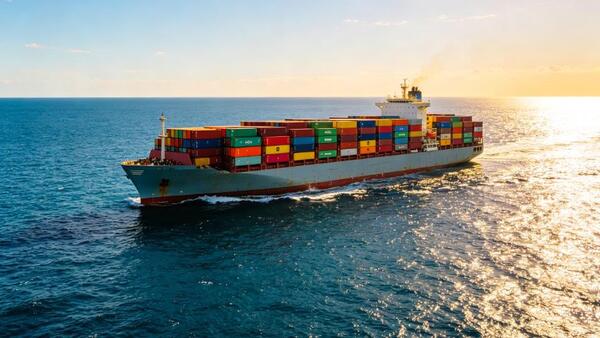
III. Latest Response: Port Areas Gradually Reopening While Dangerous Goods Removal Continues
Following emergency response operations throughout the night, the Port of Antwerp-Bruges reported on the morning of July 15 that the concentration of hydrofluoric acid vapour had fallen significantly and that the situation had been brought under preliminary control.
Specialist emergency teams boarded the vessel and installed lime-filled drip trays. The damaged container is being secured, isolated, and prepared for controlled removal.
Real-time air quality monitoring remains in place across the port area. The safety exclusion zone has also been maintained to prevent residual toxic vapour from spreading again.
MSC issued an update on the response process. Normal operations were originally expected to resume gradually at 2:00 p.m. local time on July 15, subject to safety clearance from the maritime and port authorities.
However, the latest port updates indicate that only the Antwerp Gateway terminal has completed decontamination and safety inspections and resumed navigation and operations.
The main operating area of the affected MPET terminal and the hazardous exclusion zone remain closed. Full decontamination, lifting and transfer of the dangerous goods container, and further vessel inspections are still in progress.
The overall recovery of port operations has therefore been slower than initially expected.
IV. Maritime Safety Information: Why Is Hydrofluoric Acid a High-Risk Dangerous Good?
Hydrofluoric acid is classified as a Class 8 corrosive dangerous good and is subject to strict controls under international maritime transport regulations.
It is a highly toxic and strongly corrosive chemical. Specific controls apply during dangerous goods booking, declaration, loading, and unloading.
Its risk level is significantly higher than that of general chemical cargo, and maritime transport compliance requirements are particularly strict.
1. Highly Corrosive and Toxic
Direct skin contact, eye exposure, or inhalation of the vapour can cause severe and irreversible injury.
Standard protective measures may not fully eliminate the risk.
2. Delayed Onset of Symptoms
One of the main risks is the delayed onset of symptoms. A person exposed to the toxic vapour may show no obvious symptoms for several hours or up to 36 hours.
Once symptoms develop, the exposure may result in serious injury. This makes hydrofluoric acid a particularly high-risk substance in maritime dangerous goods transportation.
V. Operational Alerts and Recommended Actions for Freight Forwarders
1. Prepare for Short-Term Delays and Increased Port Congestion
As one of the main container handling areas at the Port of Antwerp, Deurganck Dock handles substantial volumes of China–Europe mainline cargo, European regional transshipment cargo, and import and export containers.
The prolonged suspension of operations at several berths and the temporary closure of navigation channels disrupted vessel berthing, container loading and unloading, container pickup, and cargo delivery.
Vessel schedule delays, port congestion, and cargo backlogs on European shipping routes have already emerged.
Freight forwarders and international trading companies with cargo arriving at or transiting through the Port of Antwerp in the near term should monitor the latest port conditions and vessel berthing and departure plans through real-time vessel schedule tracking tools.
Additional time should be allowed for possible delivery delays.
2. Strictly Follow Dangerous Goods Declaration Requirements
The incident again shows the importance of compliance in maritime dangerous goods transportation.
In addition to proper packaging and reinforcement, compliant declaration, supervised loading and cargo inspection, and loading and unloading controls, the selection of an appropriate dangerous goods transport route is also important for reducing port safety and logistics risks.
Any concealment, incomplete declaration, non-compliant packaging, or improper loading may cause a port safety incident.
Such violations may also result in substantial fines, cargo damage claims, customer contract breaches, booking restrictions, and other consequences.
Dangerous goods declaration and loading requirements must be strictly followed in cross-border maritime transportation.
3. Continue Monitoring the Response to Prevent Further Delays
The leaking dangerous goods container has not yet been fully removed. Vessel decontamination, cargo inspections, and port safety reinspections may take additional time.
If corrosion damage to the vessel or contamination of surrounding cargo is detected, further vessel schedule delays, cargo inspection backlogs, and postponed departures may occur.
Freight forwarders should continue monitoring official announcements from the port and MSC, adjust European shipping plans where necessary, and allow sufficient buffer time in their logistics schedules.
VI. Industry Summary
The hydrofluoric acid leak at the Port of Antwerp resulted in injuries and the temporary shutdown of a key port operating area.
As maritime safety, port environmental protection, and dangerous goods controls continue to tighten, emergency port closures, temporary route adjustments, and stricter dangerous goods inspections may occur more frequently.
For freight forwarders and international trading companies, European maritime transportation requires attention not only to freight rates and transit times, but also to unexpected port disruptions, dangerous goods compliance, and vessel schedule changes.
Monitoring port conditions, maintaining alternative shipping arrangements, and allowing sufficient logistics buffer time can help reduce the risks of cargo backlogs, delivery delays, cargo damage claims, and other logistics losses.
Sources: Official announcements from the Port of Antwerp-Bruges, The Loadstar, PortNews, and Belgian broadcaster RTBF.
Disclaimer: All information in this article is based on publicly available sources and is provided for industry reference only. It does not constitute commercial or logistics operational guidance.
Last
Two Vessels Struck by Missiles in the Strait of Hormuz as Middle East Shipping Risks Surge and Oil Prices Soar
Introduction:Geopolitical tensions in the Middle East have escalated sharply once again, bringing the brief improvement in shippin
Next
Fire at the Port of Baltimore: U.S. Ready Reserve Ro-Ro Vessel Catches Fire, Highlighting Logistics Safety Risks Associated with Aging Laid-Up Ships
Introduction: A safety incident occurred at a major cross-border logistics gateway on the U.S. East Coast. At approximately 11:00

