




Introduction: A safety incident occurred at a major cross-border logistics gateway on the U.S. East Coast. At approximately 11:00 a.m. local time on July 13, 2026, a fire broke out aboard a U.S. Ready Reserve Force ro-ro vessel at the Port of Baltimore. The fire burned intensely around the vessel’s lifeboat areas, sending a large plume of smoke across the port.
This was the second safety incident involving a reserve vessel at the Port of Baltimore within six months. No injuries were reported, and normal cargo operations at the port were not affected. However, the incident exposed the less visible safety risks associated with aging vessels and ships laid up for extended periods. It also carries important implications for logistics risk management on U.S. East Coast routes, port operations and maintenance, and cross-border supply chain security. Freight forwarders and foreign trade companies should closely monitor this development.
I. Incident Overview: Fire Breaks Out Aboard Ready Reserve Ro-Ro Vessel at the Port of Baltimore
According to the Baltimore City Fire Department (BCFD) and international maritime media reports, a vessel fire broke out at approximately 11:00 a.m. local time on July 13, 2026, in the berthing area of the Port of Baltimore, Maryland, United States.
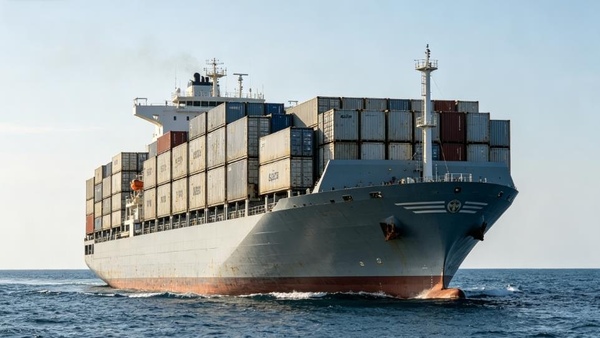
The vessel involved was the Charles L. Gilliland, a ro-ro cargo vessel under the administration of the U.S. Maritime Administration (MARAD) and assigned to the Ready Reserve Force (RRF). It is an aging vessel used for specialized logistics support.
When firefighters arrived at the scene, the areas around two lifeboats on opposite sides of the vessel were heavily involved in fire. Flames were visible, and dense smoke could be seen from several kilometers away.
A second-alarm response was activated, with fire engines and fireboats deployed to the scene. The fire was eventually extinguished. No injuries were reported, and the incident did not affect nearby vessels or port terminal facilities.
The cause of the fire remains under investigation by the relevant authorities and maritime agencies. Officials have not disclosed whether the incident was related to aging electrical wiring, equipment failure, maintenance work, or other factors.
II. Vessel Background: An Aging Former Military Vessel Converted for Logistics Support and Kept on Standby
The Charles L. Gilliland is not an ordinary commercial cargo vessel. It is a specialized ro-ro vessel with a military logistics background, and both its service history and operating status are unusual.
Built in 1972, the vessel is more than 50 years old. It is approximately 291 meters long and has a fully loaded capacity of approximately 55,000 tonnes.
The vessel was originally built for commercial use and was later acquired and converted by the U.S. Navy into a Large, Medium-Speed Roll-on/Roll-off vessel, or LMSR. It was used for the transoceanic transport of military vehicles, defense equipment, and supplies, serving as an important part of the U.S. military logistics fleet.
In 2023, the vessel was formally withdrawn from active military service, transferred to MARAD, and assigned to the Ready Reserve Force.
Since 2024, it has remained laid up at the Port of Baltimore alongside other reserve vessels under routine standby arrangements.
Unlike commercial vessels operating on regular schedules, Ready Reserve Force vessels do not normally undertake day-to-day commercial transport services. They are activated only for national emergency and disaster relief operations, military deployments, and major humanitarian missions. For most of the year, they remain berthed, on standby, and subject to periodic maintenance.
III. Two Incidents in Six Months Highlight Risks Associated with Reserve Vessels at the Port of Baltimore
The latest fire was not an isolated incident. Two safety incidents involving reserve vessels have occurred at the Port of Baltimore within six months, exposing potential gaps in the management of aging vessels laid up for extended periods.
In December 2025, the Cornelius H. Charlton, another reserve vessel berthed in the same port area, broke free from its moorings and began drifting during severe weather. Tugboats and fireboats were deployed to regain control and secure the vessel. The incident did not result in a collision or grounding.
Although the two incidents had different causes and occurred in different forms, they shared one key characteristic: both involved aging reserve vessels that had remained laid up and were not under way.
This challenges a common assumption within the cross-border logistics industry that vessel safety risks arise only during navigation and cargo handling operations.
Ships that remain idle, laid up, or on standby in port for extended periods can also present serious safety risks. An incident involving such a vessel may create secondary hazards within the port and affect the overall stability of operations at major U.S. East Coast gateways.
IV. Industry Analysis: Hidden Risks Associated with Aging Vessels in Long-Term Lay-Up
Many freight forwarders and foreign trade companies assume that a vessel is in a safe and stable condition once it is berthed in port.
However, the Baltimore fire and maritime industry data indicate that safety risks can continue to accumulate aboard aging, inactive, and standby vessels. Such ships have become an often-overlooked risk factor in U.S. East Coast port operations and cross-border supply chain stability.
Classification societies and marine insurers have repeatedly warned that vessels more than 40 years old require continuous maintenance of their electrical, firefighting, monitoring, fuel, and oil systems, even when they are not in active service.
During extended periods of lay-up, aging electrical wiring, moisture damage, component corrosion, and inadequate maintenance may occur simultaneously. Even a minor trigger may then lead to a fire, equipment failure, or another safety incident.
Compared with commercial vessels in regular operation, reserve, retired, repair-pending, and demolition-pending vessels often receive less frequent maintenance, have fewer personnel on watch, and suffer from more severe equipment deterioration.
These risks may accumulate over time while receiving insufficient attention, making such vessels a weak point in port safety management.
V. Impact on the Cross-Border Logistics Industry and Key Considerations for Freight Forwarders
No Direct Short-Term Impact on U.S. East Coast Shipments
1. The fire occurred in a designated berthing area and did not affect working terminals, close navigation channels, or disrupt cargo handling operations.
Normal commercial cargo operations at the Port of Baltimore remain unaffected. Container movements, vessel schedules, and loading and unloading operations can proceed as usual. Freight forwarders and foreign trade companies do not need to make urgent changes to their shipping arrangements.
Safety Controls at Major U.S. East Coast Ports May Be Strengthened
2. Baltimore is a major hub port on the U.S. East Coast and handles significant volumes of China-U.S. trade and inland cargo transfers across the eastern United States.
Two safety incidents within six months may prompt the port to strengthen vessel inspections, firefighting preparedness, and berthing controls. Port operations, vessel berthing procedures, and safety inspections may therefore become more stringent. Over the longer term, stronger controls would support the stability of supply chains serving U.S. East Coast routes.
Logistics Risk Management Must Cover Port Safety, Not Only Vessel Schedules
3. In recent years, major ports around the world have experienced safety incidents involving extreme weather, vessel fires, equipment failure, and vessels breaking free from their moorings.
Competition on U.S. East Coast routes is no longer limited to transit times and freight rates. Port safety risk management, emergency response capability, and cross-border supply chain stability have become important parts of a freight forwarder’s core service capabilities.
In addition to monitoring vessel schedules and freight rates, industry professionals can use port safety information tools to track safety developments at major destination ports such as Baltimore, changes to vessel schedules through vessel schedule tracking, and updates to port control measures.
Early monitoring can help reduce logistics risks such as cargo delays and delivery defaults caused by unexpected incidents.
VI. Industry Summary
The fire aboard the Ready Reserve Force ro-ro vessel at the Port of Baltimore was an isolated port safety incident involving an aging vessel under long-term standby and maintenance arrangements.
In the short term, it is not expected to disrupt normal U.S. East Coast shipping routes, container handling, or vessel berthing operations. However, the incident carries significant implications for the logistics industry.
The number of aging vessels in the global fleet continues to increase, while many retired and reserve vessels remain laid up at ports for extended periods. This places greater pressure on port safety management. Vessel incidents and other port emergencies may increasingly affect the stability of cross-border supply chains serving the U.S. East Coast.
As the U.S. East Coast shipping market faces greater volatility in the second half of the year, freight forwarders and foreign trade companies should adopt a broader shipping risk management approach covering port developments, vessel schedule risk management, and Risk Alerts.
Companies should closely monitor operations at Baltimore and other major U.S. East Coast ports, prepare contingency shipping plans, and establish risk response measures in advance. This can help reduce exposure to unexpected logistics risks arising from vessel fires, port restrictions, extreme weather, and similar incidents, while supporting the stable delivery of cross-border orders.
Disclaimer: All information in this article is based on publicly available sources and is provided for industry reference only.
Last
Hydrofluoric Acid Leak on MSC Vessel at the Port of Antwerp: Terminal Operations Suspended and European Shipping Delay Alert
Introduction: A major maritime incident has occurred at a key European container hub. On July 14, 2026, a serious dangerous goods
Next
Vessel Collision at Douala Forces Container Ship to Ground: Freight Forwarders Urged to Review General Average Exposure and Alternative Routes
Introduction: In the early hours of July 12, two vessels collided at the Port of Douala in Cameroon, West Africa. The Black Rhino,

