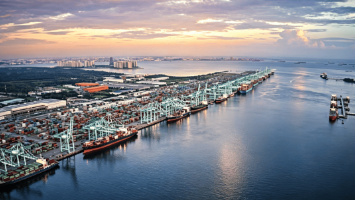
An oil spill occurred at Deurganckdok in the Port of Antwerp, Belgium, on September 14, local time, after a breach was discovered in the hull of the berthed MSC container ship MSC Renaissance III. Oil entered the water between the vessel and the quay, prompting temporary restrictions on vessel movements in parts of the dock. Following the emergency response, vessel traffic at Deurganckdok had resumed by September 15, although some berths remained subject to temporary restrictions. Cleanup operations and further work on the affected vessel were still under way.
Key Highlights
• Hull breach: Oil leaked from MSC Renaissance III while the vessel was berthed, with pollution concentrated in waters near the quay.
• Traffic restrictions: Vessel movements were restricted in parts of Deurganckdok, and some vessels were rerouted through the Kallo Lock.
• Latest developments: Vessel traffic resumed on September 15, and the hull breach was temporarily sealed.
• Freight forwarding impact: Temporary berthing bans remained in place at K1714, K1716, and K1720. Forwarders should continue to confirm vessel schedules and terminal arrangements.
Hull Breach on MSC Vessel Prompts Emergency Response
According to publicly available reports, a breach was discovered in the hull of MSC Renaissance III at approximately 3 p.m. on September 14 while the vessel was berthed at Deurganckdok in the Port of Antwerp. The breach was above the waterline, but its cause has not been disclosed. Oil subsequently entered the water between the vessel and the quay. Port personnel and emergency responders quickly began containment and cleanup operations and temporarily sealed the breach.
No oil has been observed spreading to the River Scheldt. Two inland vessels in the affected area have been cleaned and have departed, while MSC Renaissance III remains berthed awaiting further action. Cleanup operations at the site are continuing, and arrangements for further hull repairs have yet to be confirmed.
Temporary Disruption at Deurganckdok; Port Operations Continue
The incident temporarily restricted vessel movements in parts of Deurganckdok, preventing vessels from passing near the affected ship. The Kieldrecht Lock was also affected. The port rerouted some vessels through the Kallo Lock to limit disruption to other shipping activity.
The incident did not cause a port-wide shutdown. Cargo handling and vessel movements continued outside the affected area. By September 15, vessel traffic at Deurganckdok had resumed, and the Kieldrecht Lock was back in operation. However, temporary berthing bans remain in place at K1714, K1716, and K1720.
Vessel Traffic Resumes, but Forwarders Should Confirm Berthing Arrangements
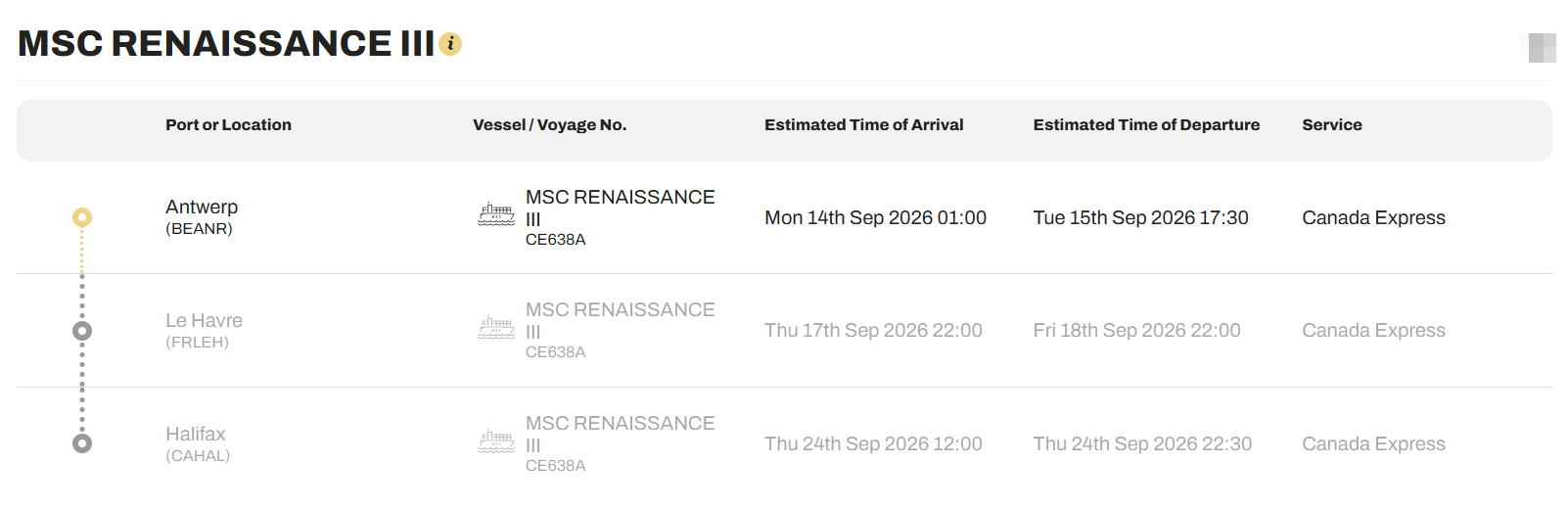
For upcoming import, export, or transshipment cargo moving through Antwerp, freight forwarders should confirm vessel berthing plans, the sequence of terminal operations, and onward connections. Where restricted berths are involved, forwarders should check whether carriers or terminals have revised their berthing or handling plans and use the latest vessel schedules to advise customers of any potential changes to transit times.
The incident has not resulted in a port-wide operational disruption. However, repairs to the affected vessel, the reopening of restricted berths, and subsequent operating arrangements still require monitoring. For cargo already scheduled to arrive or transship at the port, forwarders should base their arrangements on the latest notices from carriers, terminals, and the port.
Another Oil Spill at Deurganckdok This Year
This was not the first oil spill at Deurganckdok this year. In April, MSC Denmark VI spilled oil during bunkering operations in the same dock, causing substantial disruption to vessel traffic. Cleanup operations continued for several days.
The impact of the MSC Renaissance III incident has been more limited. No oil has been observed spreading to the River Scheldt, and vessel traffic at Deurganckdok resumed on September 15. For freight forwarders, the immediate priorities remain monitoring the reopening of restricted berths, repairs to the affected vessel, and any subsequent schedule changes, while adjusting transport arrangements and keeping customers informed.
Sources and Disclaimer
Sources include the Port of Antwerp-Bruges authority, VRT, Port Technology International, and publicly available industry information. This article is provided solely for reference by the international logistics and freight forwarding industry. Operational arrangements remain subject to the latest notices from the relevant authorities and companies.