




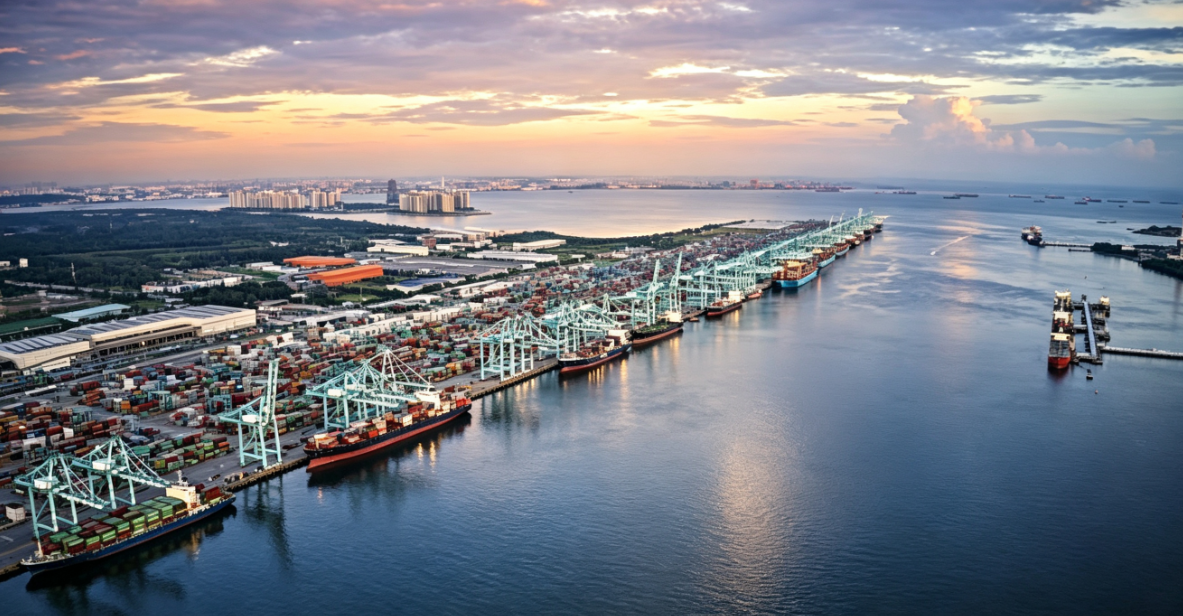
Malaysian authorities detained three containers bound for Ashdod, Israel, at the Port of Tanjung Pelepas (PTP) on August 19. Publicly available shipping documents list the declared cargo as electric bicycle parts. The containers remain at the port under investigation. Nearly a month after their detention, Malaysian authorities have yet to announce the final investigation findings.
Key Highlights
• Three containers detained: The containers were detained at PTP in Malaysia on August 19 and have yet to be released.
• Declared cargo: Shipping manifests list electric bicycle parts, with Ashdod, Israel, as the port of destination.
• Transshipment compliance: Malaysia has continued to inspect Israel-related shipments. Compliance requirements for cargo transshipping through the country warrant attention.
Three Containers Remain Under Investigation
According to public reports, the three containers were detained at PTP on August 19 and were bound for Ashdod, Israel. Shipping documents identify the contents as electric bicycle parts from Chinese manufacturers. The containers remain at PTP, and Malaysian authorities have not announced the final investigation findings or publicly determined that the shipment contains military supplies or violates the law. At this stage, the appropriate description is that the containers have been detained and are under investigation. There is also no public information indicating that PTP has stopped handling all Israel-bound cargo. This remains a case involving inspections of specific containers.
The Malaysian Border Control and Protection Agency (AKPS) previously detained another container at the same port. On August 7, that container was inspected on suspicion of breaching Malaysian rules prohibiting direct or indirect exports to Israel. AKPS then conducted further checks on the cargo’s nature, specifications, intended use, and classification to determine whether it constituted strategic items controlled under the Strategic Trade Act 2010. This indicates that Malaysia’s recent inspections of such shipments cover not only the cargo itself but also the final destination and transport route.
Why Is Malaysia Continuing to Inspect Israel-Bound Cargo?
Malaysia’s current customs framework for exports includes the Customs (Prohibition of Exports) Order 2023 and subsequent amendments. Before handling relevant shipments, exporters and agents need to check whether the goods fall within prohibited or restricted export categories and ensure compliance with the applicable requirements. Regarding the container detained on August 7, AKPS stated that its preliminary assessment indicated a suspected breach of provisions prohibiting direct or indirect exports to Israel. Malaysian Prime Minister Anwar Ibrahim previously said that Malaysia would not serve as a transit route for such goods bound for Israel. Addressing the latest incident involving three containers on September 15, he reiterated that suspicious cargo would be inspected in accordance with the law and that action would be taken if a violation was confirmed.
What Should Forwarders Check Before Transshipping Through Malaysia?
For Israel-bound cargo scheduled to transship through Malaysian ports, regulatory risks are not confined to the exporting country. Cargo passing through a port in a third country may also be subject to local regulations and enforcement inspections. Before shipment, forwarders should check the final destination, consignee, origin, HS code, intended use, and whether strategic trade controls apply. They should also confirm any destination-specific requirements at PTP or other transshipment ports and ensure that cargo descriptions are consistent across bills of lading, manifests, commercial invoices, and packing lists. Particularly where cargo characteristics are complex or the end use is subject to specific requirements, compliance checks should preferably be completed before booking and shipment to avoid prolonged detention during investigations after arrival.
The final investigation findings and subsequent handling arrangements for the three containers have not been announced. Whether they will be allowed to continue to Israel, be returned, or be handled in another way remains dependent on further information from Malaysian authorities. Companies planning similar shipments should confirm destination requirements, transshipment port rules, and consistency across shipping documents. They should not rely solely on previously used transport routes to determine whether cargo can transship normally.
Sources and Disclaimer
Sources include Bloomberg, the Malaysian Border Control and Protection Agency (AKPS), the Royal Malaysian Customs Department, and publicly available industry information. This article is provided solely for reference by the international logistics and freight forwarding industry. Operational arrangements remain subject to the latest notices from the relevant authorities and companies.
Last
Oil Spill from MSC Container Ship Temporarily Disrupts Antwerp Vessel Traffic; Some Berths Remain Restricted
An oil spill occurred at Deurganckdok in the Port of Antwerp, Belgium, on September 14, local time, after a breach was discovered
Next
27,500-TEU Container Ships Back in Focus: Which Carrier Is Best Positioned to Deploy Them-Maersk, MSC or COSCO SHIPPING?
The container shipping industry may be reassessing how large its vessels can become. Shipping consultancy Alphaliner recently revi

