




Introduction:Chittagong Port is seeing two contrasting developments. New terminal capacity and improved operating efficiency are easing congestion, while repeated security incidents at the outer anchorage are increasing shipping risks.
A new terminal has recently entered operation, significantly increasing the port’s handling capacity. However, a series of boarding robberies has raised concerns over Bangladesh routes. Three incidents occurred within 18 days, bringing the total number of similar cases at the port to five in 2026.
The incidents have caused losses to shipowners and raised shipping security concerns, prompting freight forwarders and importers and exporters to reassess the underlying risks of this major trade lane.
Repeated Boarding Robberies Disrupt Shipping at the Port
According to authoritative Bangladeshi media reports and maritime security reports issued by Singapore’s Information Fusion Centre (IFC), security incidents have recently increased at the outer anchorage of Chittagong Port.
Three serious boarding robberies occurred at the outer anchorage within 18 days. Including incidents reported earlier in the year, five cases of vessel theft or robbery have been recorded at Chittagong Port in 2026, significantly more than during the same period in previous years.
The incidents followed similar patterns. The perpetrators operated at night, approaching anchored vessels in small speedboats and boarding while crew watchkeeping was less vigilant or while vessels were waiting to berth.
The most serious incident occurred in late June and involved a cargo vessel awaiting demolition. More than 20 armed individuals boarded the vessel at night, briefly restrained the crew, and stole valuable items including engine spare parts and deck equipment. The losses were estimated at BDT 10 million, equivalent to approximately USD 80,000.
Although the losses in the following two incidents were smaller, the methods and circumstances were highly similar, suggesting a recurring pattern.
No crew casualties have been reported in any of the incidents. However, the frequency and targeted nature of the robberies have caused widespread concern among carriers, shipowners and local shipping agents and affected normal shipping operations around the port.
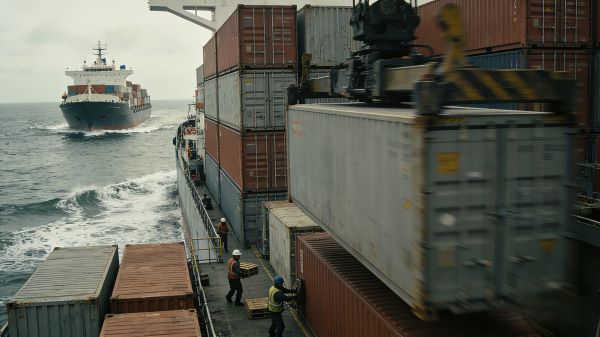
Outer Anchorage Becomes the Main High-Risk Area
Compared with terminal berths, where operations are more orderly and security measures are more established, the outer anchorage of Chittagong Port has become the main area for maritime theft and robbery.
This is the result of several operational, security and geographical factors.
First, a large number of vessels remain at the outer anchorage and are spread across a wide area. Many vessels must wait for extended periods before berthing or beginning cargo operations. Long waiting times and continuous watchkeeping requirements create opportunities for unauthorized boarding.
Second, lighting around the anchorage is limited at night, while maritime security patrols do not cover all areas. Perpetrators often disguise themselves as fishermen, making early identification and interception difficult.
According to IFC maritime security reports, local groups generally operate in teams of two to ten people. These are typically opportunistic robberies, with the perpetrators usually avoiding direct confrontation with crew members.
They mainly target items that can be resold easily, including vessel spare parts, mooring ropes, batteries and crew members’ personal belongings. They then leave quickly by boat, making evidence collection and enforcement difficult. The low risk of being caught has contributed to the repeated occurrence of such incidents.
Port Infrastructure Improves While Security Weaknesses Remain
The recent incidents occurred as Chittagong Port entered an important stage of infrastructure and operational expansion.
The Patenga Container Terminal recently entered full operation, adding approximately 450,000 to 500,000 TEU of annual handling capacity. The new terminal has helped ease long-standing problems including port congestion, berth shortages and low operating efficiency.
Following the release of the new capacity, Chittagong Port temporarily recorded periods with no vessels waiting for berths. Port operating efficiency and customs clearance speed also improved, providing a positive development for South Asian trade lanes and attracting more carriers to increase service frequency.
However, the repeated boarding robberies show that improvements in port efficiency cannot offset weaknesses in maritime security.
While handling capacity and port infrastructure have improved, maritime security controls and vessel protection measures have not developed at the same pace. This remains a major weakness in the port’s further development.
Bangladesh Route Security Alerts and Recommended Actions for Freight Forwarders
Unlike the Red Sea crisis, which directly disrupts navigation and causes widespread schedule delays, the robberies at Chittagong’s anchorage represent a less visible, long-term route risk.
Although the incidents do not directly interrupt cargo handling or customs clearance, they may affect carriers’ service arrangements, vessel security measures and cargo shipment planning. Freight forwarders and importers and exporters handling South Asian routes should pay close attention to these operational changes.
Route Pricing May Change as Security Costs Increase
In the past, the main cost considerations for Bangladesh routes included port congestion surcharges, fuel costs and basic vessel schedule costs.
Frequent robbery risks at the anchorage now require carriers to strengthen night watches, install security equipment and adjust anchoring positions when necessary. These security costs may not be listed separately but may gradually be reflected in freight rates.
As a result, the low-rate advantage of Bangladesh routes may gradually weaken, while freight rate stability may decline. Freight forwarders should allow sufficient room for rate fluctuations when preparing quotations to avoid margin losses caused by subsequent cost increases.
Higher Cargo Risk-Control Requirements May Affect Insurance and Claims
Following repeated theft and robbery incidents at Chittagong’s anchorage, major domestic and international cargo insurers have begun reassessing the risks associated with the port.
For cargo moving to Bangladesh, the risk of cargo damage or loss while vessels remain at anchorage may receive greater attention. Premiums for some types of insurance may increase.
Claims involving theft may also face greater scrutiny where there is no formal incident report or supporting vessel-tracking record. This may result in rejected claims or reduced compensation.
Freight forwarders should therefore maintain complete shipment records and retain vessel-tracking information throughout the transportation process to reduce the risk of subsequent disputes.
Shipping Arrangements Should Be Adjusted Based on Vessel Movements
Chittagong Port currently presents a combination of improved efficiency and continuing security risks.
The new terminal has improved berthing efficiency, but security at the anchorage remains uncertain at night. Carriers may adjust berthing schedules and prioritize daytime berthing, indirectly affecting established vessel schedules.
Industry participants may use the vessel schedule inquiry tool to track vessels waiting at anchorage and monitor berthing movements in real time. They can then adjust bookings and shipment schedules and update customers on expected delivery times in advance to reduce logistics disputes.
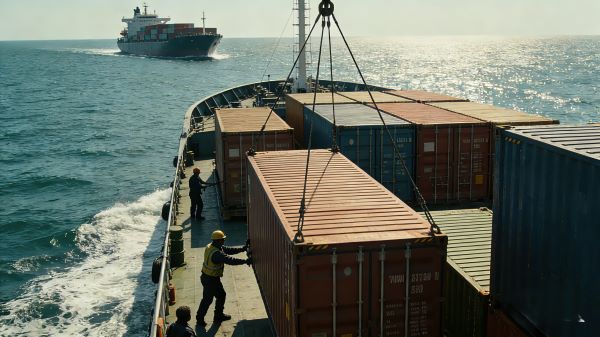
Industry Summary
The current situation at Chittagong Port provides a clear reference for port development: modern handling infrastructure can ease congestion, but an effective security system is necessary to protect normal shipping operations.
Chittagong Port is currently improving operating efficiency and upgrading its supporting infrastructure, but repeated boarding robberies have become a major risk to route development.
Freight forwarders and importers and exporters handling South Asian routes should make use of the efficiency improvements while remaining alert to continuing maritime security risks.
They should continue to monitor port security measures, carrier risk-control policies and changes to insurance requirements, and adjust shipping arrangements to balance transit time, cost and transportation safety.
Sources
The Business Standard and Singapore’s Information Fusion Centre (IFC)
Disclaimer
The information and data contained in this article are sourced from publicly available authoritative channels and are provided solely for industry reference. They do not constitute commercial advice or logistics operating guidance.
Last
Effective August 15: ONE Lowers Emergency Fuel Surcharges Across Its Global Network, Widening the Gap Between Dry and Reefer Rates
Introduction:New global shipping surcharge rates will take effect in August 2026. Ocean Network Express (ONE) has revised its Emer
Next
Emergency on the Yangtze River: Engine-Room Explosion on LNG-Fuelled Hybrid Containership at Wuhan Yangluo Port, Seven Empty Containers Overboard and One Crew Member Missing
Introduction:A major shipping incident has occurred at a key transport hub on the middle reaches of the Yangtze River.In the early

