






Global freight forwarders navigating Middle East routes must adapt to significant seasonal shifts, especially during Middle East Ramadan, which disrupts capacity, extends lead times, and requires tailored strategies to maintain service reliability.
What Are the Key Seasonal Shifts in Middle East Shipping Routes During Ramadan?
Seasonal shifts in Middle East shipping routes during Ramadan refer to changes in cargo volume, carrier capacity, and operational efficiency driven by religious observances and pre/post-Ramadan demand surges. These shifts vary by region but follow consistent annual patterns that forwarders can anticipate with proper data analysis.
How Do Cargo Volume Surges Impact Route Dynamics?
Pre-Ramadan cargo volume surges are a defining seasonal shift, as businesses stockpile goods to meet demand during the holy month and subsequent Eid Al-Fitr holiday. According to ITC Trade Map 2025 data, imports to the Middle East increase by 24% in the month prior to Ramadan, with retail and food-related cargo accounting for 67% of this growth.
This surge places immense pressure on key shipping routes, particularly those from China and Europe to the UAE and Saudi Arabia. Forwarders should note that the 2025 pre-Ramadan period saw a 25% increase in container shipments to the Middle East, with the busiest weeks falling 2-3 weeks before Ramadan begins, coinciding with ongoing Red Sea crisis-related disruptions.
Post-Ramadan, a secondary surge occurs as businesses restock depleted inventories. ITC Trade Map 2025 data shows that imports to the Middle East rise by 19% in the first two weeks after Eid Al-Fitr, creating a second wave of congestion that forwarders often overlook.
How Does Carrier Capacity Change During Ramadan?
Carrier capacity on Middle East routes undergoes notable adjustments during Ramadan, influenced by both demand surges and operational constraints. According to UNCTAD 2025 data, carriers typically reduce capacity on Middle East routes by 6%-8% during Ramadan due to reduced port efficiency and lower productivity.
This capacity reduction, combined with pre-Ramadan demand, leads to tighter container space availability. The Freightos Baltic Index (FBX) 2026 data indicates that the China–Middle East air freight composite index surged 37% week-on-week to 4820 points in early May 2026, while spot market rates for China-Middle East maritime routes increased by 25%-35% in the weeks before Ramadan, with some routes seeing spikes due to Red Sea-related rerouting costs.
A common mistake is assuming carriers will maintain regular capacity levels during Ramadan. Many carriers reallocate vessels to other routes with more consistent demand, leaving Middle East routes with limited flexibility to accommodate sudden surges. UNCTAD 2025 data further notes that maritime trade growth is stalling, with volumes barely rising by 0.5% in 2025, exacerbating capacity constraints during peak periods like Ramadan.
Why Do Lead Times Extend on Middle East Routes During Ramadan?
Lead times on Middle East routes extend during Ramadan due to a combination of reduced operational hours, cargo congestion, reduced labor productivity, and regulatory delays—all of which interact to slow down the entire shipping process.
How Do Reduced Operational Hours Affect Lead Times?
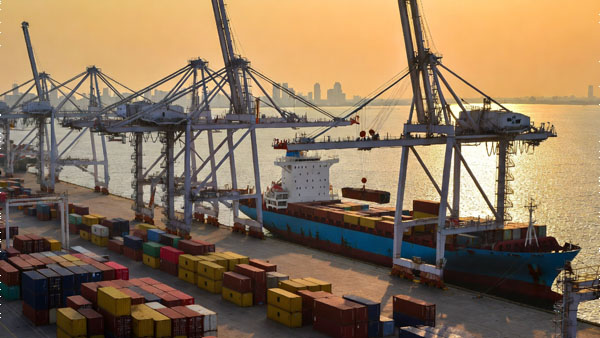
Reduced working hours at ports and customs facilities are a primary driver of extended lead times during Ramadan. Most Middle Eastern countries shorten official working hours to accommodate fasting, with port operations often pausing during iftar and suhoor periods.
According to GAC 2026 data, key Saudi Arabian ports including Al Jubail, Rastanura, Jeddah, Rabigh, Gizan, and Yanbu operate 24/7 during Ramadan, but customs and immigration services follow adjusted schedules. For example, Jeddah, Rabigh, Gizan, and Yanbu have customs working hours from 10:00 to 16:00, while Al Jubail’s customs hours are 10:00 to 15:00.
Abu Dhabi Ports also announced its 2026 Ramadan working hours, with office hours shortened to 07:30 to 16:00 and all operations suspended during iftar (18:00–21:00) and suhoor (04:45–05:45). Only vessel berthing and un-berthing continue during these breaks, significantly reducing daily processing capacity.
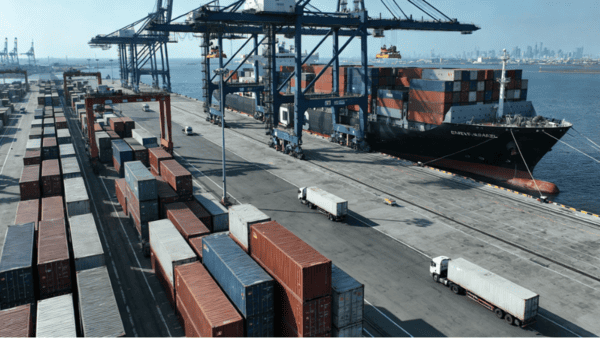
According to the Port of Dubai 2025 data, these reduced hours lead to a 27%-36% drop in daily port throughput, extending vessel unloading times by an average of 2-3 days and contributing to overall lead time extensions of 32%-42% compared to non-Ramadan periods (UNCTAD 2025).
How Does the Red Sea Crisis Exacerbate Lead Time Extensions?
The ongoing Red Sea crisis adds another layer of complexity to Ramadan lead times, as vessels are forced to reroute around the Cape of Good Hope, increasing voyage duration and straining capacity. According to UNCTAD 2025 data, long-distance rerouting caused by geopolitical tensions kept ships busier in 2024 with a record of nearly 6% growth in ton-miles, and this trend has continued into 2026.
Industry data from 2026 shows that 69% of container ships and 23% of oil tankers servicing Middle East routes are now rerouting this route, adding 5000 to 7000 kilometers to their journey and increasing overall costs by 55%. This rerouting, combined with Ramadan-related operational slowdowns, has led to lead time extensions of an additional 3-5 days on routes from Europe to the Middle East.
Forwarders should note that this crisis has created a persistent capacity gap of 6%-7% on Asia-Europe routes, which is further amplified during Ramadan’s demand surge. UNCTAD 2025 also warns of potential spillovers from ongoing geopolitical tensions in the Strait of Hormuz, which could further disrupt shipping activity during Ramadan.
How Does Reduced Labor Productivity Impact Lead Times?
Reduced labor productivity during Ramadan, due to the physical demands of fasting, slows down cargo handling, loading, and unloading processes. Many logistics workers in the Middle East observe Ramadan, and their efficiency can drop by 15%-20% during peak fasting periods.
A common mistake is underestimating the impact of reduced productivity on lead times. For example, stevedoring operations at Jeddah Port in 2025 took 20% longer during Ramadan compared to non-peak periods, leading to vessel delays of up to 4 days and cascading disruptions to subsequent shipments. This issue is compounded by the fact that many logistics companies struggle to secure temporary labor during Ramadan, further straining operational capacity.
How Can Forwarders Manage Capacity Constraints on Middle East Routes During Ramadan?
Managing capacity constraints during Ramadan requires proactive planning, data-driven decision-making, and collaboration with carriers and local partners to secure space and mitigate disruptions.
Book Capacity in Advance: Arrange container space 4-6 weeks before Ramadan to avoid last-minute shortages. This approach is often used by forwarders to secure stable rates and ensure availability, especially given the overlap of 2026 Ramadan with Chinese New Year, which will further strain capacity.
Diversify Carrier Partnerships: Work with multiple carriers to reduce reliance on a single provider. This flexibility allows forwarders to switch carriers if one faces capacity constraints or route disruptions, such as those caused by the Red Sea crisis.
Optimize Cargo Consolidation: Consolidate smaller Less than Container Load (LCL) shipments into Full Container Load (FCL) to maximize capacity utilization and reduce costs. This strategy also improves the likelihood of securing space, as carriers often prioritize FCL shipments during peak periods.
Negotiate Long-Term Contracts: Establish long-term contracts with carriers to secure fixed capacity and rates during Ramadan. This approach provides stability and reduces exposure to spot market rate spikes, which can increase by up to 45% during peak pre-Ramadan periods.
Monitor Capacity Real-Time: Use logistics tracking platforms to monitor capacity availability on key routes. Many platforms integrate data from carriers and ports, allowing forwarders to identify capacity gaps early and adjust their strategies accordingly.
What Strategies Help Forwarders Accurately Predict Lead Times During Ramadan?
Accurate lead time prediction during Ramadan requires a combination of historical data analysis, real-time monitoring, and an understanding of regional and crisis-related disruptions.
Analyze Historical Lead Time Data: Review past Ramadan lead time data for specific routes and ports to identify patterns. According to FBX 2025 data, lead times from Shanghai to Dubai increase by an average of 3.8 days during Ramadan, while routes to Jeddah see an average extension of 4.5 days, excluding Red Sea-related delays.
Factor in Red Sea-Related Delays: Adjust predictions to account for the additional 3-5 days of lead time caused by Cape of Good Hope rerouting. This is particularly critical for routes from Europe to the Middle East, which are most affected by the crisis.
Collaborate with Local Partners: Engage with local agents and port operators to get real-time updates on operational hours, congestion levels, and regulatory changes. Local partners can provide insights into last-minute adjustments that may impact lead times, such as temporary port closures.
Monitor Pre-Ramadan Surge Trends: Use data from ITC Trade Map or local port authorities to track cargo volume trends in the weeks leading up to Ramadan. Adjust predictions based on the timing and intensity of these surges, which typically peak 2-3 weeks before Ramadan begins.
Build in Contingency Buffers: Add a buffer of 3-7 days to non-Ramadan lead times for most routes, and 7-10 days for time-sensitive cargo. This buffer accounts for operational slowdowns, congestion, and unforeseen disruptions like Red Sea-related delays.
The recommended approach is to use a data-driven prediction model that combines historical trends, real-time capacity data, and regional insights. This model should be updated regularly as Ramadan approaches and as the Red Sea crisis evolves to ensure accuracy.
What Common Mistakes Do Forwarders Make During Ramadan Route Planning?
Forwarders often make avoidable mistakes during Ramadan route planning, which lead to delays, increased costs, and client dissatisfaction. Recognizing these mistakes is key to improving performance.
Underestimating Pre-Ramadan Surges
A common mistake is underestimating the scale of pre-Ramadan cargo surges, leading to missed booking deadlines and increased costs. In 2025, many forwarders failed to account for the 24% increase in cargo volume, resulting in limited capacity access and spot rate spikes of up to 45% on some routes.
Forwarders should note that this mistake is compounded by the Red Sea crisis, which has reduced available capacity and made last-minute bookings even more challenging. Those who analyzed historical data and booked capacity early were able to avoid these issues and maintain consistent service levels.
Ignoring Regional Operational Differences
Another common mistake is treating all Middle Eastern ports the same, ignoring regional differences in operational capacity and Ramadan practices. For example, UAE ports maintain relatively high efficiency with overtime options, while ports in Iran and Yemen may have more significant disruptions.
According to UNCTAD 2025 data, the UAE ranks fourth globally in dry bulk shipping speed, making it more resilient to Ramadan-related delays compared to other regional hubs. Forwarders who fail to adjust their strategies for these differences often face unexpected delays.
Overlooking Post-Ramadan Disruptions
Many forwarders focus solely on pre-Ramadan planning and overlook post-Ramadan disruptions, such as the secondary cargo surge and Eid Al-Fitr holiday closures. This oversight leads to delays in post-Ramadan shipments and increased costs due to demurrage and detention fees.
How Can Forwarders Mitigate Risks on Middle East Routes During Ramadan?
Mitigating risks during Ramadan requires a proactive, flexible approach that addresses capacity constraints, lead time extensions, and regulatory and cultural considerations.
Optimize Documentation: Prepare all required documentation well in advance to avoid clearance delays. This includes commercial invoices, certificates of origin, and region-specific certifications (e.g., SASO certification for Saudi Arabia, halal certification for food products). Ensure all documents comply with local customs requirements to prevent hold-ups.
Diversify Shipping Routes: Avoid overreliance on a single port or route. For example, if Jeddah Port is congested, divert shipments to Dammam or Yanbu ports in Saudi Arabia. According to UNCTAD 2025 data, diversifying routes can reduce lead time variability by up to 42% during Ramadan.
Secure Extended Free Time: Negotiate extended free time (demurrage and detention waivers) with carriers and port operators. Many carriers offer Ramadan-specific free time extensions of 7-10 days, compared to the standard 3-5 days during non-peak periods.
Implement Real-Time Tracking: Use advanced tracking tools to monitor shipments in real time, allowing for immediate adjustments if delays occur. This helps forwarders identify bottlenecks early and notify clients proactively, reducing the volume of inquiries and improving transparency.
Train Teams on Cultural Sensitivities: Ensure teams understand local cultural and religious norms to avoid delays or rejections. This includes avoiding prohibited items and neutral packaging for sensitive products, as non-compliant shipments may be held at customs indefinitely.
How Does Middle East Ramadan Impact Long-Term Route Planning?
Middle East Ramadan is not just a short-term disruption; it influences long-term route planning, as forwarders adjust their strategies to account for annual seasonal shifts and ongoing crises like the Red Sea situation.
Forwarders should note that the combination of Ramadan’s seasonal demands and the Red Sea crisis has led many to reevaluate their Middle East route networks. This includes increasing investments in alternative routes, such as those via the Suez Canal with enhanced security measures, or diversifying to ports in the UAE that offer greater resilience.
UNCTAD 2025 highlights that geopolitical tensions are reshaping global shipping routes, adding costs and increasing uncertainty. This means forwarders must integrate Ramadan’s seasonal shifts into their long-term planning to build resilience against both predictable and unforeseen disruptions.
The recommended approach is to integrate Ramadan-related seasonal shifts into annual planning cycles, allocating additional resources and capacity for pre and post-Ramadan periods. This long-term planning helps forwarders build resilience and maintain a competitive edge in the Middle East market.
In conclusion, seasonal shifts in Middle East routes during Middle East Ramadan require forwarders to adopt a proactive, data-driven approach to manage capacity constraints, predict lead times accurately, and mitigate risks. By avoiding common mistakes, collaborating with local partners, and adapting to ongoing crises like the Red Sea situation, forwarders can maintain reliable service levels and meet client expectations. As global trade with the Middle East continues to evolve—ITC data shows that U.S. exports to the Middle East reached $74.5 billion in 2025, with the UAE and Saudi Arabia as top destinations—mastering the nuances of Ramadan-related route shifts will remain critical for forwarders looking to succeed in this dynamic market.

Last
Conquering Latin American Routes: Identifying Logistics Bottlenecks and Solutions
The Latin American market is emerging as a pivotal trade hub, but navigating its logistics landscape requires addressing unique ch
Next
Shipping to the Middle East During Ramadan: Predicting Lead Times and Contingency
For global freight forwarders, navigating shipping operations during Middle East Ramadan requires careful planning, accurate lead

