



For global freight forwarders, navigating shipping operations during Middle East Ramadan requires careful planning, accurate lead time predictions, and robust contingency strategies to avoid delays and financial losses. As a period of religious observance and cultural significance, Ramadan reshapes logistics dynamics across the region, impacting everything from port operations to customs clearance.
What Is Middle East Ramadan and How Does It Affect Shipping?
Middle East Ramadan is a holy month observed by Muslims worldwide, during which fasting from dawn to dusk is a core practice, leading to adjusted working hours and shifted consumer and business activity. This period typically lasts 29 to 30 days, with start dates varying annually based on the lunar calendar—2026 Ramadan is projected to begin around February 17-19 and end in mid-March.

Core Impacts of Ramadan on Shipping Operations
Ramadan’s impact on shipping stems primarily from reduced operational capacity across key logistics touchpoints. Governments, ports, customs authorities, and local logistics providers often shorten working hours to accommodate fasting, while employee productivity may decrease due to the physical demands of fasting, especially in labor-intensive roles such as stevedoring and cargo handling.
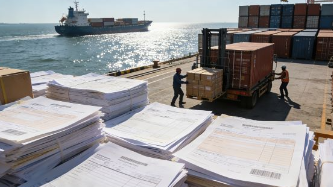
Additionally, pre-Ramadan and post-Ramadan surges in cargo volume create congestion, further disrupting lead times. These surges are driven by businesses stockpiling essential goods and consumer products to meet demand during the holy month and the subsequent Eid Al-Fitr holiday.
Regional Variations in Ramadan-Related Disruptions
According to UNCTAD 2025 data, shipping lead times to the Middle East increase by an average of 32-42% during Ramadan compared to non-peak periods, with variations across countries and ports. For example, ports in the UAE—one of the region’s top shipping hubs—see a 27-36% reduction in daily throughput during this period, even as pre-Ramadan cargo volumes rise by 23-28%.
Forwarders should note that the impact of Ramadan is not uniform across the Middle East. While countries like the UAE, Saudi Arabia, and Qatar have well-developed logistics infrastructure that mitigates some delays, others with less advanced systems may experience more significant disruptions. Understanding these regional differences is critical for accurate lead time prediction.
Why Do Lead Times Lengthen During Middle East Ramadan?
Lead times lengthen during Middle East Ramadan due to a combination of reduced operational hours, increased cargo volume, cultural practices, and regulatory adjustments that create bottlenecks at every stage of the shipping process. These factors interact to slow down transit, clearance, and delivery timelines.
Reduced Operational Hours at Ports and Customs
One of the primary drivers of longer lead times is reduced working hours at ports and customs facilities. For instance, Abu Dhabi Ports announced its 2026 Ramadan working hours, with all port operations ceasing during iftar (18:00–21:00 hours) and suhoor (04:45–05:45 hours), while office hours are shortened to 07:30 to 16:00 hours. Vessel berthing and un-berthing are the only operations that continue as normal during these breaks. Fujairah ports also suspend certain operations during these fasting-related breaks, further limiting daily processing capacity.
Pre-Ramadan Stockpiling and Cargo Surges
Pre-Ramadan stockpiling amplifies these delays. Businesses across the Middle East increase orders for consumer goods, food, and other essentials in the weeks leading up to Ramadan, leading to a surge in cargo volume. According to ITC Trade Map 2025 data, imports to the Middle East increase by 24% in the month prior to Ramadan, with retail and food-related cargo accounting for 67% of this surge. This influx of goods overwhelms ports and logistics networks, creating backlogs that extend lead times.
Reduced Employee Productivity
Employee productivity is another key factor. Many logistics workers in the Middle East observe Ramadan, and the physical toll of fasting can reduce efficiency, especially in roles involving manual labor such as loading, unloading, and sorting cargo. A common mistake is underestimating the impact of reduced productivity on processing times, which can lead to unrealistic lead time predictions and missed delivery deadlines.
Regulatory and Administrative Delays
Regulatory and administrative delays also contribute to longer lead times. Customs clearance processes may slow down due to reduced staffing, and some governments implement temporary regulatory changes during Ramadan, such as extended document verification periods. For example, Saudi Arabia requires additional documentation for certain imports during Ramadan, including halal certification for food products, which can add 2-3 days to clearance times if not prepared in advance.
How to Predict Lead Times Accurately During Middle East Ramadan?
Predicting lead times accurately during Middle East Ramadan requires a data-driven approach that incorporates historical trends, regional differences, current market conditions, and real-time updates from local partners. This process helps forwarders set realistic expectations for clients and avoid costly delays.
Analyze Historical Data: Review past Ramadan shipping data to identify patterns in lead time extensions. Focus on specific routes (e.g., China to UAE, Europe to Saudi Arabia) and ports, as delays vary significantly by location. According to Freightos Baltic Index (FBX) 2025 data, lead times from Shanghai to Dubai increase by an average of 3.8 days during Ramadan, while routes to Jeddah see an average extension of 4.5 days.
Account for Regional Differences: Research the specific Ramadan practices of target countries. For example, the UAE’s ports maintain relatively high operational capacity with overtime options, while ports in Iran may have more significant disruptions, especially during peak fasting hours. UNCTAD 2025 data ranks the UAE fourth globally in dry bulk shipping speed, making it more resilient to Ramadan-related delays compared to other regional hubs.
Monitor Pre-Ramadan Cargo Surges: Track cargo volume trends in the weeks leading up to Ramadan using data from sources like ITC Trade Map or local port authorities. The 2025 pre-Ramadan period saw a 25% increase in container shipments to the Middle East, with the busiest weeks falling 2-3 weeks before Ramadan begins. Adjust lead time predictions accordingly to account for this surge.
Collaborate with Local Partners: Engage with local agents, port operators, and customs brokers to get real-time updates on operational hours, congestion levels, and regulatory changes. Local partners can provide insights into last-minute adjustments, such as temporary port closures or changes to clearance procedures, that may impact lead times. For example, GAC regularly updates port working hours during Ramadan, which forwarders can use to refine their predictions.
Factor in Eid Al-Fitr Follow-Up: Ramadan is followed by Eid Al-Fitr, a 3-5 day holiday during which most logistics operations shut down completely. According to data from the Port of Dubai 2025, lead times can extend by an additional 2-4 days after Ramadan due to post-Eid backlogs. Predictions should include this post-Ramadan period to avoid underestimating total transit time.
The recommended approach is to build a buffer into lead time predictions that accounts for all these factors. For most routes to the Middle East, adding 3-7 days to non-Ramadan lead times is a reasonable starting point, with adjustments based on the specific country, port, and cargo type. For high-priority or time-sensitive shipments, increasing this buffer to 7-10 days can help mitigate risks.
What Contingency Strategies Should Forwarders Implement for Ramadan Shipping?
Contingency strategies for shipping during Middle East Ramadan are designed to minimize the impact of delays, mitigate financial losses, and ensure client satisfaction. These strategies should be proactive, flexible, and tailored to the unique challenges of the Ramadan period.
Plan Shipments in Advance: Schedule shipments to arrive at Middle East ports at least 2 weeks before Ramadan begins to avoid pre-Ramadan congestion. Forwarders should note that container space books up quickly during this period—FBX 2025 data shows that spot market rates for China-Middle East routes increase by 22-32% in the weeks before Ramadan, and late bookings often face limited availability. Booking space 4-6 weeks in advance is often used by forwarders to secure capacity, especially given the 2026 overlap of Ramadan with Chinese New Year, which further strains capacity.
Optimize Documentation: Prepare all required documentation well in advance to avoid clearance delays. This includes commercial invoices (preferably in both English and Arabic for countries like Saudi Arabia), certificates of origin, and any region-specific certifications (e.g., SASO certification for Saudi Arabia, halal certification for food products). A common mistake is submitting incomplete or incorrect documentation, which can add 3-5 days to clearance times during Ramadan.
Diversify Shipping Routes and Carriers: Avoid overreliance on a single port or carrier. For example, if Jeddah port is experiencing severe congestion, consider diverting shipments to Dammam or Yanbu ports in Saudi Arabia. Similarly, working with multiple carriers can provide flexibility if one carrier faces capacity constraints. According to UNCTAD 2025 data, diversifying routes can reduce lead time variability by up to 42% during Ramadan.
Secure Extended Free Time at Ports: Negotiate extended free time (demurrage and detention waivers) with carriers and port operators to avoid additional fees if shipments are delayed. Many carriers offer Ramadan-specific free time extensions, but these must be requested in advance. For example, some carriers provide 7-10 days of free demurrage during Ramadan, compared to the standard 3-5 days during non-peak periods.
Implement Real-Time Tracking: Use advanced tracking tools to monitor shipments in real time, allowing for immediate adjustments if delays occur. Real-time tracking can help forwarders identify bottlenecks early, such as port congestion or clearance delays, and notify clients proactively. Many logistics platforms offer Ramadan-specific tracking features that highlight adjusted port hours and potential disruptions.
Prepare for Post-Ramadan Surges: Plan for increased cargo volume after Ramadan as businesses restock and clear backlogs. This includes securing additional capacity and adjusting staff schedules to handle the influx of shipments. According to ITC Trade Map 2025 data, post-Ramadan imports to the Middle East increase by 19% in the first two weeks after Eid Al-Fitr, requiring forwarders to have flexible resources in place.
Address Cultural and Religious Sensitivities: Ensure that shipments comply with local cultural and religious norms to avoid delays or rejections. This includes avoiding items with prohibited imagery (e.g., pig, alcohol) and ensuring neutral packaging for sensitive products (e.g., women’s items). Forwarders should note that non-compliant shipments may be held at customs indefinitely during Ramadan, leading to significant financial losses.
How to Communicate Ramadan-Related Delays to Clients?
Effective communication with clients is critical during Middle East Ramadan, as it helps manage expectations, build trust, and minimize disputes. Forwarders should adopt a proactive and transparent approach to communicating delays and contingency plans.
Proactive Advance Notification
Start by notifying clients of potential Ramadan-related delays at least 4-6 weeks in advance. This notification should include estimated lead time extensions, the reasons for the delays (e.g., reduced port hours, pre-Ramadan congestion), and the contingency strategies being implemented. Providing specific examples, such as “lead times to Dubai may increase by 3-5 days during Ramadan,” is more effective than vague warnings.
Regular Real-Time Updates
The recommended approach is to provide regular updates throughout the shipping process, especially if delays exceed initial predictions. This can include daily or weekly updates on shipment status, including any changes to arrival times or clearance progress. Using automated tracking tools to send real-time alerts can help reduce the volume of client inquiries and ensure transparency.
Honest and Realistic Expectation-Setting
When communicating delays, be honest and avoid overpromising. A common mistake is downplaying potential delays to secure business, which can lead to client dissatisfaction and damage to reputation. Instead, set realistic expectations and explain the steps being taken to minimize disruptions. For example, “We have secured extended free time at Jeddah port to avoid demurrage fees, and our local agent is monitoring clearance progress daily to ensure minimal delays.”
Offer Mitigation Options
Additionally, provide clients with options to mitigate delays, such as expedited shipping (if available) or alternative routes. While expedited shipping may come with higher costs, it can be a valuable option for time-sensitive cargo. Forwarders should present these options clearly, along with their associated costs and benefits, to allow clients to make informed decisions.
What Lessons Can Forwarders Learn from Past Ramadan Shipping Challenges?
Reflecting on past Ramadan shipping challenges can help forwarders refine their strategies, improve lead time predictions, and better prepare for future Ramadan periods. Key lessons from recent years highlight the importance of proactive planning, local partnerships, and flexibility.
The Impact of Overlapping Global Events
One critical lesson is the impact of overlapping global events on Ramadan shipping. For example, 2026 Ramadan coincides with Chinese New Year (February 17), creating a perfect storm of reduced production in China and increased demand in the Middle East. This overlap has led to severe capacity constraints, with container shortages at Chinese ports causing loading delays of 3-5 days and spot market rates increasing by 30%. Forwarders who planned shipments well in advance and diversified their carrier partnerships were better able to navigate these challenges.
The Value of Local Partnerships
Another lesson is the value of local partnerships. Forwarders who worked closely with local agents and port operators were able to access real-time information about operational changes, such as temporary port closures or adjusted clearance procedures, and make immediate adjustments. For example, during the 2025 Ramadan period, forwarders with local partners in the UAE were notified of changes to Abu Dhabi port hours in advance, allowing them to reschedule shipments and avoid delays.
Avoid Underestimating Pre-Ramadan Surges
Forwarders should note that underestimating the impact of pre-Ramadan surges is a recurring mistake. In 2025, many forwarders failed to account for the 24% increase in cargo volume, leading to missed booking deadlines and increased costs. Those who analyzed historical data and booked capacity early were able to avoid these issues and maintain consistent service levels.

The Importance of Flexibility
Finally, flexibility is key. Ramadan-related disruptions are often unpredictable, and forwarders must be prepared to adjust their strategies as conditions change. This includes being willing to divert shipments, renegotiate free time, and adapt to regulatory changes. For example, during the 2025 Ramadan period, some forwarders diverted shipments from congested ports in Saudi Arabia to ports in the UAE, reducing lead times by 2-3 days.
In conclusion, shipping to the Middle East during Ramadan requires forwarders to combine accurate lead time predictions with robust contingency strategies, proactive communication, and a deep understanding of regional dynamics. By analyzing historical data, collaborating with local partners, and implementing flexible plans, forwarders can minimize delays, reduce costs, and deliver reliable service to their clients during this challenging period. As global trade with the Middle East continues to grow—China’s General Administration of Customs reported that the trade volume between China and the Arab League reached 1.72 trillion yuan in the first seven months of 2025, a year-on-year increase of 3.2%—mastering the nuances of shipping during Middle East Ramadan will become increasingly critical for forwarders looking to maintain a competitive edge in the global logistics market.

Last
Seasonal Shifts in Middle East Routes: Capacity and Lead Time Advice During Ramadan
Global freight forwarders navigating Middle East routes must adapt to significant seasonal shifts, especially during Middle East R
Next
Logistics Under Strict Standards: Coordinating Medical Device Imports within Cold Chain
As global trade in medical devices expands rapidly, coordinating imports through a reliable Medical Cold Chain has become an indis