






The Latin American market is emerging as a pivotal trade hub, but navigating its logistics landscape requires addressing unique challenges, especially related to Latin America Customs. For global forwarders, understanding these hurdles and implementing targeted solutions is essential to capitalize on the region’s growing trade potential.
Why Is Latin America a High-Potential Yet Challenging Logistics Market?
Latin America’s logistics market combines significant growth opportunities with complex operational barriers, driven by its economic recovery, expanding trade volumes, and evolving regulatory environment. These factors create both incentives and challenges for forwarders operating in the region.
What Is the Current Trade Growth Outlook for Latin America?
According to the Economic Commission for Latin America and the Caribbean (ECLAC) 2025 preliminary report, the region’s goods exports are projected to grow by 5.2% in 2025, building on the 4.1% growth recorded in 2024. Service exports are expected to rise by 13.5%, marking the fifth consecutive year of double-digit growth, fueled by post-pandemic tourism recovery and the expansion of digital services such as cross-border e-commerce and IT outsourcing.
China remains the fastest-growing export market for Latin America and the Caribbean, with bilateral trade volumes having increased 38-fold between 2000 and 2024, according to ECLAC’s 2025 Trade Overview. This growth is driven by rising demand for Latin American commodities (such as lithium, copper, and agricultural products) and increased Chinese investment in regional infrastructure projects.
Why Do Logistics Complexities Hinder Forwarders’ Market Access?
Despite this growth, Latin America’s logistics complexity often deters forwarders from fully tapping into its potential. The region’s vast geography, fragmented regulatory frameworks, and underdeveloped infrastructure create a range of bottlenecks that impact efficiency, cost, and reliability. Forwarders should note that these challenges are not uniform across the region—countries like Mexico, Brazil, and Chile present distinct hurdles, with Latin America Customs procedures being a common thread of complexity.
A common mistake is assuming that logistics strategies successful in North America or Europe can be directly applied to Latin America. The region’s unique combination of regulatory volatility, infrastructure gaps, and cultural differences demands a localized approach. Without tailored solutions, forwarders risk delays, increased costs, and damaged client relationships.
What Are the Key Logistics Bottlenecks in Latin American Routes?
The key logistics bottlenecks in Latin American routes encompass regulatory fragmentation, inefficient port operations, inadequate infrastructure, and security risks, all of which interact to disrupt supply chains and increase operational costs for forwarders.
How Do Latin America Customs Procedures Create Bottlenecks?
Latin America Customs procedures are a primary source of logistics delays, driven by inconsistent regulations, frequent policy changes, and complex documentation requirements across different countries in the region.
What Makes Customs Regulation Fragmentation a Challenge?
One of the most significant challenges is the fragmentation of customs regulations. Each country in Latin America has its own set of rules, documentation requirements, and enforcement standards, making it difficult for forwarders to maintain compliance across multiple markets. For example, Mexico requires a mandatory RFC (Registro Federal de Contribuyentes) tax number for all imports, while Brazil imposes strict limits on personal consignment purchases and requires specialized certification (such as ANVISA approval for pharmaceutical goods) for many products. These variations force forwarders to invest in country-specific expertise to avoid costly non-compliance penalties.
How Do Frequent Policy Changes Disrupt Operations?
Frequent policy changes add another layer of complexity. Mexico’s customs policies, for instance, have seen frequent adjustments to air freight duty-free limits, which have fluctuated between 50 USD and 900 USD in recent years. Additionally, Mexico’s customs director is replaced every six months, leading to changes in enforcement standards that require forwarders to constantly adapt their processes. According to FreightWaves 2025 data, such policy volatility has led to average customs clearance delays of 2–4 weeks for many shipments, with some high-value cargo detained for up to six weeks.
Why Do Documentation Errors Cause Delays?
Documentation errors are another common issue. Latin America Customs authorities often require extensive paperwork, including commercial invoices, packing lists, bills of lading, certificates of origin (CO), and product-specific certifications (such as Mexico’s NOM certification for electronics and Brazil’s INMETRO certification for electrical equipment). A single error—such as a discrepancy in invoice value, an incorrect CO format, or missing product specifications—can result in shipment detention, fines, or even confiscation. Forwarders should note that investing in rigorous document verification processes is critical to avoiding these setbacks.
Why Are Port Operations a Major Pain Point for Latin American Logistics?
Port operations in Latin America are frequently inefficient due to overcrowding, outdated infrastructure, labor strikes, and poor management, leading to significant delays in cargo handling and vessel turnaround times.
What Are the Key Port Operational Challenges?
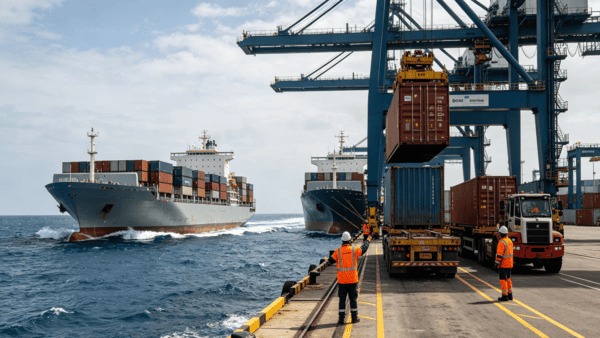
According to UNCTAD’s 2025 Review of Maritime Transport, Latin American and Caribbean ports face severe operational challenges, with port handling charges 2.5 to 3.5 times higher than global averages. Panama Canal disruptions in late 2024 and early 2025, caused by prolonged drought, further exacerbated these issues, leading to a 35% increase in sailing distances and a 22% reduction in transits compared to 2024. Even after improvements in water management in Q2 2025, transits remained 18% below 2024 levels.
How Do Specific Ports Exemplify These Challenges?
Mexico’s Manzanillo Port, one of the region’s busiest, is a prime example of these challenges. The port handles over 1.2 million truck movements annually, leading to severe congestion. Truck drivers often wait 12–24 hours to pick up containers, and vessels frequently experience 3–5 days of delay due to labor strikes and aging equipment. Similar issues plague ports in Brazil (such as Santos Port) and the Caribbean, where inefficiencies are compounded by competition between cruise ships and cargo vessels for berthing space.
The recommended approach for forwarders is to partner with local port agents who have intimate knowledge of port operations and can navigate congestion and labor issues. Additionally, diversifying port options—where possible—can help mitigate risks associated with overcrowded or inefficient ports.
How Do Infrastructure Gaps Impact Latin American Logistics?
Infrastructure gaps, including poor road networks, limited rail connectivity, and inadequate last-mile delivery systems, significantly hinder the efficiency of Latin American logistics routes.
What Are the Limitations of Road and Rail Networks?
Latin America’s road and rail networks are underdeveloped compared to other major trade regions. According to the Inter-American Development Bank (IDB) 2025 Infrastructure Report, only 32% of the region’s roads are paved, and rail connectivity is limited, especially in landlocked countries such as Bolivia and Paraguay. This makes inland transportation slow and unreliable, with cargo often taking weeks to move from ports to inland destinations.
For example, shipping cargo from Brazil’s Santos Port to the inland city of Brasília can take up to 12 days by road, compared to 2–3 days in similar distances in the United States. Inland rail services are even less reliable, with average speeds of 30–40 km/h and frequent delays due to track maintenance issues.
What Challenges Exist in Last-Mile Delivery?
Last-mile delivery presents another set of challenges. Many Latin American cities have disorganized street naming systems, and GPS coverage is often below 65%, leading to a 17% failure rate in delivery attempts. In Brazil’s São Paulo, for instance, couriers frequently return packages due to difficulty locating addresses, with return costs accounting for over 22% of order values.
Additionally, security concerns in many urban areas increase the risk of cargo theft, with incidents being 3.2 times more common than in North America, according to the 2025 Latin America Logistics Security Report. A common mistake is underestimating the impact of infrastructure gaps on delivery timelines. Forwarders often allocate insufficient time for inland transportation, leading to missed deadlines and unhappy clients.
The recommended approach is to conduct thorough route assessments and partner with local transportation providers who have experience navigating the region’s infrastructure challenges.
What Security Risks Threaten Latin American Logistics Routes?
Security risks, including cargo theft, piracy, and civil unrest, pose significant threats to Latin American logistics routes, increasing costs and disrupting supply chains for forwarders.
How Prevalent Is Cargo Theft in the Region?
Cargo theft is a pervasive issue, particularly in Mexico, Brazil, and parts of Central America. According to Air Cargo Week’s September 2025 report, cargo theft incidents in Mexico have increased by 28% in 2025 compared to 2024, with 82% of incidents in Q2 2025 involving violence. Food, beverages, and industrial goods are the most targeted categories, with 33% of thefts involving these products.
High-value goods such as electronics, pharmaceuticals, and luxury items also remain prime targets. Even major logistics providers like DHL and FedEx have reported incidents of vehicle theft and cargo pilferage in high-risk regions, including Puebla and the State of Mexico in Mexico.
What Other Security Threats Impact Logistics?
Piracy remains a concern in coastal areas, particularly off the coast of Brazil and the Caribbean. While incidents have decreased by 12% in 2025 compared to 2024, according to the International Maritime Bureau (IMB) 2025 Piracy Report, they still pose a risk to maritime shipments, especially for smaller vessels and coastal trade.
Civil unrest and labor strikes also disrupt logistics operations—for example, a 2025 truck drivers’ strike in Chile paralyzed the country’s logistics network for 10 days, resulting in over 6 billion USD in economic losses, according to Chile’s National Logistics Association. Forwarders should note that implementing proactive security measures is essential to mitigating these risks.
This includes using secure transportation methods, tracking cargo in real time, and avoiding high-risk routes during periods of civil unrest.
What Solutions Can Forwarders Implement to Overcome Latin American Logistics Bottlenecks?
Forwarders can overcome Latin American logistics bottlenecks by adopting localized strategies, leveraging digital tools, building strong local partnerships, and optimizing compliance with Latin America Customs regulations.
How to Optimize Compliance with Latin America Customs?
Optimizing compliance with Latin America Customs requires a combination of localized knowledge, rigorous documentation processes, and proactive adaptation to regulatory changes.
Invest in Local Expertise: Hire or partner with local customs brokers who have in-depth knowledge of country-specific regulations. These experts can help navigate complex documentation requirements, anticipate policy changes (such as Mexico’s 2026 Customs Law Reform), and resolve compliance issues quickly. For example, a local broker in Mexico can ensure compliance with RFC tax number requirements and NOM certifications, reducing the risk of shipment detention.
Implement Rigorous Document Verification: Establish a standardized process for verifying all customs documentation before shipment. This includes cross-checking invoice values, ensuring certificates of origin are correctly formatted, and confirming that all product-specific certifications are in place. The recommended approach is to use digital tools to automate document checks, reducing the risk of human error.
Stay Updated on Regulatory Changes: Subscribe to industry newsletters, join local logistics associations, and maintain regular communication with local customs authorities to stay informed about policy updates. Forwarders should note that regulatory changes in Latin America can occur with little notice—such as Mexico’s 2025 Customs Law Reform, which introduces higher import duties for non-preferential imports and stricter documentation requirements—so proactive monitoring is critical to avoiding compliance issues.
Adopt Simplified Customs Procedures: Many Latin American countries offer simplified customs procedures for trusted forwarders, such as Mexico’s Authorized Economic Operator (AEO) program and Brazil’s Regime de Autorização de Operações Simplificadas (RAOS). Participating in these programs can reduce inspection rates and speed up clearance times, making logistics operations more efficient.
How to Improve Port and Inland Transportation Efficiency?
Improving port and inland transportation efficiency requires strategic partnerships, route optimization, and the use of digital tools to enhance visibility and reduce delays.
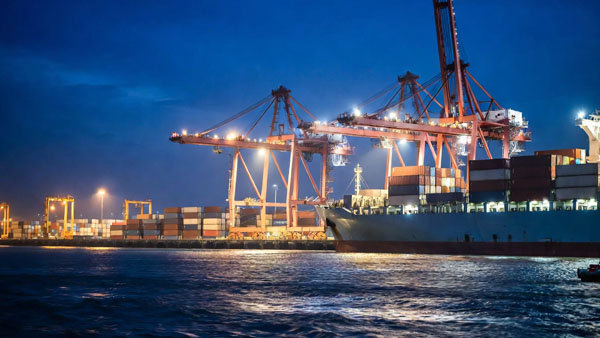
Partner with Local Port Agents: Local port agents have intimate knowledge of port operations, including congestion patterns, labor issues, and best practices for cargo handling. Partnering with these agents can help forwarders navigate port delays, secure priority berthing where possible, and reduce container detention fees.
Diversify Port and Transportation Routes: Avoid over-reliance on a single port or transportation route. For example, if Manzanillo Port is congested, forwarders can use alternative ports in Mexico such as Veracruz or Lázaro Cárdenas. Similarly, diversifying inland transportation options—combining road, rail, and air where feasible—can help mitigate risks associated with infrastructure gaps.
Leverage Digital Tools for Visibility: Use GPS tracking, real-time shipment monitoring platforms, and cloud-based logistics management systems to gain full visibility into cargo movements. These tools allow forwarders to track shipments from port to destination, identify potential delays early, and communicate proactively with clients.
Optimize Cargo Consolidation: Consolidating small shipments into larger containers can reduce costs and improve efficiency, particularly for less-than-container-load (LCL) shipments. This approach also reduces the number of customs entries required, simplifying compliance with Latin America Customs.
How to Mitigate Security Risks in Latin American Logistics?
Mitigating security risks requires a proactive approach, including secure transportation methods, real-time tracking, and risk assessment strategies.
Use Secure Transportation Providers: Partner with transportation providers who offer secure services, such as armored vehicles, armed guards, and secure warehouses. These providers are familiar with high-risk areas (such as Guanajuato and Michoacán in Mexico) and can implement appropriate security measures to protect cargo.
Implement Real-Time Cargo Tracking: Use IoT-enabled tracking devices to monitor cargo in real time. These devices provide location updates, temperature monitoring (for perishable goods), and alerts for unauthorized movement, allowing forwarders to respond quickly to security threats.
Conduct Regular Risk Assessments: Regularly assess the security risks of different routes and destinations, and adjust logistics plans accordingly. For example, if a particular region is experiencing civil unrest, forwarders should reroute cargo to avoid the area.
Invest in Cargo Insurance: Purchase comprehensive cargo insurance that covers theft, damage, and delays. This provides financial protection in the event of a security incident, reducing the impact on forwarders and their clients.
How to Leverage Digital Transformation for Latin American Logistics?
Digital transformation can significantly improve the efficiency of Latin American logistics operations, helping forwarders overcome bottlenecks related to visibility, compliance, and communication.
Adopt Cloud-Based Logistics Platforms: Cloud-based platforms allow forwarders to manage shipments, track cargo, and communicate with clients and partners in real time. These platforms also integrate with customs systems in many Latin American countries, simplifying compliance and reducing documentation errors.
Use AI for Route Optimization: AI-powered analytics can help forwarders optimize routes, predict delays, and reduce transportation costs. For example, AI algorithms can analyze historical data on port congestion, road conditions, and weather to recommend the most efficient routes for each shipment.
Implement Blockchain for Transparency: Blockchain technology can improve transparency in supply chains, particularly for customs compliance. By recording all documentation and transactions on a secure, immutable ledger, forwarders can reduce fraud, streamline customs processes, and enhance trust with clients and customs authorities.
Embrace E-Commerce Integration: As Latin America’s e-commerce market grows—projected to reach 489.3 billion USD by 2025, according to Statista’s 2025 E-Commerce Report—forwarders should integrate their services with e-commerce platforms. This includes offering fast, reliable last-mile delivery and real-time order tracking, meeting the growing demands of online retailers and consumers.
What Are the Long-Term Trends Shaping Latin American Logistics?
Long-term trends shaping Latin American logistics include nearshoring, digital transformation, infrastructure investment, and regional integration, all of which will create new opportunities and challenges for forwarders.
How Is Nearshoring Reshaping the Region’s Logistics Landscape?
Nearshoring and friendshoring are emerging as key trends, with companies relocating production to Latin America to reduce supply chain risks and take advantage of the region’s proximity to North American markets. According to Maersk’s November 2025 Latin America Market Update, countries like Colombia, Costa Rica, and Mexico are attracting significant investment in manufacturing, particularly in the automotive and electronics sectors, creating new demand for logistics services.
Forwarders should note that this trend will require adapting to new supply chain configurations and increasing demand for inland transportation, as manufacturing facilities are often located in inland areas rather than port cities.
Will Digital Transformation Continue to Accelerate?
Digital transformation will continue to accelerate, with more forwarders adopting AI, blockchain, and IoT technologies to improve efficiency and visibility. According to Maersk’s November 2025 Latin America Market Update, companies that embrace digital integration and regional collaboration will be best positioned to thrive in the region’s complex logistics landscape. These technologies will also play a key role in simplifying Latin America Customs processes, reducing delays and improving compliance.
What Infrastructure Investments Are Underway?
Infrastructure investment is another key trend, with governments and private sector entities investing in port upgrades, road networks, and rail connectivity. For example, Panama is investing 2.4 billion USD in measures to improve the Panama Canal’s resilience to climate change, while Mexico is investing 1.8 billion USD in upgrading its major ports (including Manzanillo and Veracruz) to handle increased cargo volumes.
These investments will gradually reduce infrastructure-related bottlenecks, but forwarders should not rely on immediate improvements. The recommended approach is to plan for incremental improvements and continue to adapt logistics strategies accordingly.
How Is Regional Integration Impacting Logistics?
Regional integration efforts, such as the Pacific Alliance and MERCOSUR, are also shaping the logistics landscape. These agreements aim to simplify trade between member countries, including harmonizing customs procedures and reducing trade barriers. For example, the Pacific Alliance has implemented a single window system for customs clearance, reducing processing times by 30% for member countries.
The recommended approach for forwarders is to leverage these regional agreements to expand their services and reduce compliance costs, as cross-border trade between member countries becomes more streamlined.
Conclusion: Navigating Latin American Routes Successfully
Conquering Latin American routes requires forwarders to understand the region’s unique logistics bottlenecks and implement tailored solutions. From navigating complex Latin America Customs procedures to overcoming port inefficiencies, infrastructure gaps, and security risks, success depends on a combination of localized expertise, strategic partnerships, and digital innovation. By investing in local knowledge, optimizing compliance, leveraging digital tools, and adapting to long-term trends, forwarders can capitalize on the region’s growing trade potential and build sustainable, profitable operations. As Latin America’s economy continues to recover and integrate into global supply chains, forwarders who prioritize flexibility, adaptability, and compliance with Latin America Customs will be well-positioned to thrive in this dynamic market.
Last
New Corridors to SE Asia: Analyzing the Advantages of Cross-border Direct Trucking
As global trade between China and Southeast Asia (SE Asia) continues to flourish, forwarders are seeking more efficient land trans
Next
Seasonal Shifts in Middle East Routes: Capacity and Lead Time Advice During Ramadan
Global freight forwarders navigating Middle East routes must adapt to significant seasonal shifts, especially during Middle East R

