




With the continuous deepening of trade relations between China and Germany, China-to-Germany sea shipping has become one of the core business segments for freight forwarders. Among them, dangerous goods (DG) transportation, characterized by high compliance requirements and complex operational links, has become a key reflection of freight forwarders' competitiveness. Combining Shanghai Port's operational practices, the latest industry norms, and authoritative data, this article provides a full-process compliant operation guide for dangerous goods in China-to-Germany sea shipping departing from Shanghai Port, helping freight forwarders avoid risks and improve efficiency.
What is the Core Definition of Dangerous Goods (DG) in China-to-Germany Sea Shipping?
Dangerous Goods (DG) in China-to-Germany sea shipping refer to goods with dangerous characteristics such as explosion, flammability, corrosion, toxicity, and radioactivity that may endanger personal safety, property safety, and environmental safety during sea transportation. Their definition must comply with both China's "Classification and Nomenclature of Dangerous Goods" (GB 6944-2012) and the International Maritime Organization (IMO) "International Maritime Dangerous Goods Code" (IMDG Code 2024 Edition).
Why Must Strict Compliance Operations Be Followed for Dangerous Goods in China-to-Germany Sea Shipping Departing from Shanghai Port?
As China's largest container port, Shanghai Port is the core departure port for dangerous goods in China-to-Germany sea shipping. Its compliance requirements directly affect the efficiency of cargo clearance and transportation safety. Non-compliant operations will bring huge losses to freight forwarders.
What are the Core Risks of Non-Compliant Operations?
Customs Penalty Risk: According to the Q3 2026 Dangerous Goods Supervision Data of Shanghai Customs, non-compliant declarations (such as concealing the nature of dangerous goods or incorrect classification) will result in a fine of 10,000 to 100,000 RMB. In serious cases, the freight forwarder's customs declaration qualification will be suspended, and the goods will be directly detained and destroyed.
Shipping Company Refusal Risk: Mainstream shipping companies such as MSC, COSCO, and Maersk have extremely high compliance requirements for dangerous goods in China-to-Germany sea shipping. Non-compliant goods will be directly refused for shipment, and freight forwarders will be required to bear booking liquidated damages and customer claims.
Safety Accident Risk: During the transportation of dangerous goods, non-compliant operations such as improper packaging and mixed loading may cause accidents such as fires and leaks. Freight forwarders will be required to bear all economic losses and legal liabilities.
A common misunderstanding is that some freight forwarders believe that "a small amount of dangerous goods can be sneaked through". In fact, according to the latest revised regulations of the IMO in 2026, regardless of the quantity of dangerous goods, they must be declared in accordance with the complete compliance process, and the penalty standards for a small amount of violations are the same as those for batch violations.
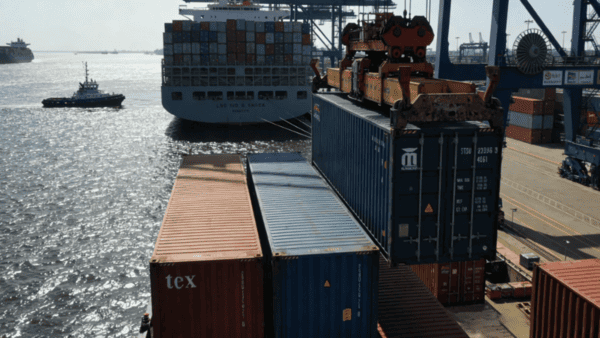
What are the Full-Process Operation Steps for Dangerous Goods in China-to-Germany Sea Shipping Departing from Shanghai Port for Freight Forwarders?
Freight forwarders' operations need to follow the five core steps of "preliminary preparation → booking declaration → customs declaration and inspection → loading and shipping → destination port clearance". Each link must be strictly compliant to ensure that the goods are smoothly transported from Shanghai Port to the designated port in Germany.
Step 1: Preliminary Preparation — Confirm Goods Information and Avoid Basic Risks
Verify Detailed Goods Information: Request core information such as the goods' MSDS (Material Safety Data Sheet), UN number, dangerous goods category, packaging grade, and flash point (for flammable liquids) from the customer. Confirm whether the goods meet the requirements of China's export and Germany's import, and avoid prohibited categories.
Select Compliant Packaging and Labels: Choose UN-certified packaging that meets standards according to the category of dangerous goods (for example, explosion-proof packaging is required for Class 3 flammable liquids). Paste dangerous goods warning signs, UN number labels, and emergency contact information on the outer packaging in a standardized manner. The packaging must be inspected and qualified by a professional organization, and a report must be issued.
Prepare Complete Declaration Documents: Prepare documents such as a dangerous goods transportation identification certificate, packaging performance inspection result sheet, customs declaration form, commercial invoice, and packing list in advance to ensure that all document information is consistent, without omissions or errors.
Freight forwarders need to note that the MSDS must be in both Chinese and English versions and issued by a qualified organization. German customs have extremely strict audits on the authenticity and completeness of the MSDS. A false MSDS will lead to goods clearance obstruction and fines.
Step 2: Booking Declaration — Select the Appropriate Shipping Company and Standardize the Declaration Process
Select a Shipping Company with Dangerous Goods Transportation Qualification: Prioritize shipping companies with dangerous goods transportation qualifications for China-to-Germany sea shipping, such as MSC, COSCO, and Maersk. Select the corresponding dedicated container space according to the goods category. For example, dedicated anti-corrosion container space is required for Class 8 corrosive substances.
Book in Advance and Submit Declaration Documents: Booking for dangerous goods in China-to-Germany sea shipping needs to be made 15-20 days in advance. Submit dangerous goods declaration documents to the shipping company, including goods information, packaging information, MSDS, and a dangerous goods transportation identification certificate. After the shipping company's review and approval, a Shipping Order (SO) will be issued.
Handle Dangerous Goods Declaration Procedures: Submit declaration information through the Shanghai Port Dangerous Goods Declaration System. After the declaration is approved, obtain the "Dangerous Goods Declaration Form" (commonly known as the "Dangerous Goods Package Certificate"), which is the core document for goods to enter the Shanghai Port dangerous goods yard.
According to the Q3 2026 data from the Shanghai Shipping Exchange, container space for dangerous goods in China-to-Germany sea shipping is tight during the peak booking season (June-August, November-December). Freight forwarders need to book 20 days in advance to avoid delivery delays due to insufficient container space.
Step 3: Customs Declaration and Inspection — Local Operation at Shanghai Port to Ensure Compliant Clearance
Submit Customs Declaration and Inspection Documents: Submit documents such as a customs declaration form, dangerous goods declaration form, MSDS, and packaging inspection form to Shanghai Customs. For toxic and corrosive goods, an additional dangerous goods hygiene inspection report is required for inspection.
Cooperate with Customs Inspection: The inspection rate of Shanghai Customs for dangerous goods in China-to-Germany sea shipping is about 18%-22% (Data Source: Shanghai Customs Q3 2026 Dangerous Goods Supervision Report). Freight forwarders need to prepare goods samples and relevant documents in advance, cooperate with the inspection, and promptly answer customs questions.
Pay Relevant Fees: Settle relevant fees such as the customs declaration fee, inspection fee, and dangerous goods operation fee, and obtain the customs release notice. At this time, the goods can enter the Shanghai Port dangerous goods yard to wait for loading.
The recommended approach is that freight forwarders can cooperate with professional dangerous goods customs declaration agents at Shanghai Port to improve customs declaration efficiency. Especially for dangerous goods categories operated for the first time, professional agents can help avoid declaration loopholes and reduce the risk of inspection and clearance delays.
Step 4: Loading and Shipping — Control Details to Ensure Transportation Safety
Goods Entry and Stacking: Goods must be transported to the Shanghai Port dangerous goods yard by special vehicles with dangerous goods transportation qualifications. Stack them in separate areas according to dangerous goods categories and UN numbers. Mixed loading of different categories of dangerous goods is strictly prohibited. For example, flammable liquids and corrosive substances must be stored separately to avoid chemical reactions.
Standardized Loading Operation: Loading must be operated by professional personnel with dangerous goods operation qualifications. Select appropriate container space according to the characteristics of dangerous goods. For example, flammable and explosive dangerous goods must be loaded in a ventilated container space below the deck. Take adequate measures for goods fixation and protection to avoid collision and leakage during transportation.
Track Transportation Dynamics: After the goods are loaded, promptly feedback the ship name, voyage, and Estimated Time of Arrival (ETA) to the customer. Real-time track the goods transportation dynamics through the shipping company's official website or logistics tracking system, and promptly handle emergencies during transportation.
Step 5: Destination Port Clearance — Assist German Customers to Complete the Process Closed Loop
Prepare Clearance Documents in Advance: Send documents such as a customs declaration form, MSDS, dangerous goods declaration form, and bill of lading to German customers or local customs clearance agents in advance to ensure that the documents meet the requirements of German customs and avoid clearance delays due to missing documents or incorrect information.
Assist in Handling Clearance Questions: German customs have strict audits on dangerous goods clearance. If there are any questions, freight forwarders need to promptly coordinate with domestic customers to provide supplementary documents and assist in solving clearance problems, such as providing goods usage instructions, safety protection measures, and relevant test reports.
Confirm Goods Delivery: After the goods are cleared, confirm that the customer has picked up the goods smoothly, collect customer feedback, and sort out operation files to provide a reference for subsequent similar China-to-Germany sea shipping dangerous goods business.
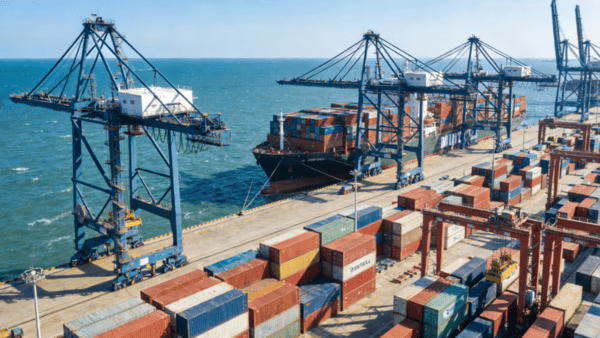
Common Compliance Misunderstandings and Avoidance Methods for Freight Forwarders in China-to-Germany Sea Shipping Dangerous Goods Departing from Shanghai Port
In the operation process, freight forwarders often cause violations due to cognitive deviations or process omissions. The following are three high-frequency misunderstandings and specific avoidance methods to help freight forwarders reduce operational risks and ensure business compliance.
Misunderstanding 1: Concealing the Nature of Dangerous Goods and Declaring Them as Ordinary Goods: Some freight forwarders disguise dangerous goods as ordinary goods for declaration to save costs and simplify processes, which is the most serious violation. Avoidance Method: Strictly verify the customer's goods information. If it is confirmed to be dangerous goods, it must be declared in accordance with the compliance process. Clearly inform the customer of the consequences of violations and firmly refuse the customer's request for concealed declaration.
Misunderstanding 2: Non-Compliant Packaging and Random Use of Ordinary Packaging: Some freight forwarders ignore the requirements for dangerous goods packaging and use non-UN-certified packaging such as ordinary cartons and plastic bags to load dangerous goods, leading to the risk of goods leakage and damage. Avoidance Method: Select UN-certified professional packaging that meets standards according to the category of dangerous goods. Require customers to provide packaging test reports. Goods that do not meet the requirements shall be firmly rejected.
Misunderstanding 3: Ignoring Germany's Import Compliance Requirements, Leading to Destination Port Clearance Obstruction: Some freight forwarders only focus on export compliance at Shanghai Port and ignore Germany's import requirements. For example, Germany has special import restrictions on lithium batteries and corrosive goods, which require advance import permits. Avoidance Method: Understand the import regulations of German customs for various dangerous goods in advance. Confirm with the customer whether the goods meet Germany's import requirements in the early stage of operation to avoid subsequent clearance problems.
Freight Forwarder Cost Optimization Suggestions
Sign Long-Term Cooperation Agreements with Shipping Companies: Sign long-term dangerous goods transportation agreements with shipping companies such as MSC and COSCO to obtain more preferential sea freight and surcharge discounts. Especially in the peak season, this can avoid cost pressure caused by sharp increases in freight rates.
Integrate Dangerous Goods Resources in the Same Region: Cooperate with freight forwarders in the same region to integrate dangerous goods for China-to-Germany sea shipping, realize LCL transportation, share operation costs and freight, improve resource utilization, and reduce the operation cost per container.
Optimize Operation Processes and Reduce Errors: Establish standardized dangerous goods operation processes, clarify the responsibilities of each link, strengthen professional training for employees, avoid additional costs such as fines and liquidated damages caused by operational errors, and improve operation efficiency.
The core of China-to-Germany sea shipping dangerous goods operations is "compliance". Freight forwarders must strictly follow Shanghai Port's export norms, IMO rules, and Germany's import requirements, and be meticulous and rigorous in every link from pre-goods identification to destination port clearance. With the continuous deepening of trade between China and Germany, the demand for dangerous goods transportation in China-to-Germany sea shipping will continue to grow. Only by improving compliance operation capabilities and optimizing service processes can freight forwarders gain an advantage in the fierce market competition and provide customers with safe, efficient, and compliant dangerous goods transportation services.
Last
Inside Scoop on China to Germany Shipping Carriers: How to Get More Competitive Direct Contract Rates?
As Sino-European trade continues to heat up, China to Germany shipping, as the core logistics channel connecting trade between the
Next
Practical Operation of Special Containers (FR/OT) for Sea Shipping from China to Germany: How Can Freight Forwarders Avoid Surcharges?
Sea shipping from China to Germany is a core logistics channel for China-EU trade. Among them, special containers (FR Flat Rack an

