



Container shipping from the UK to the USA requires a transport choice, a comparable cost estimate, and clear export and import responsibilities. FCL provides a dedicated container; LCL shares space. Confirm the actual routing and delivery scope, then arrange customs and advance filings before cargo is loaded.
Shipping goods from the UK to the US can look simple when you first compare prices. But the first quote may only cover part of the trip. Port charges, customs fees, and delivery after arrival can all add to the final bill, and the sailing time alone does not tell you when the goods will actually reach their destination.
With container shipping to the USA from the UK, the best option usually comes down to how much you are sending and where it needs to go. Looking at the full cost and delivery time makes it much easier to compare services before you book.
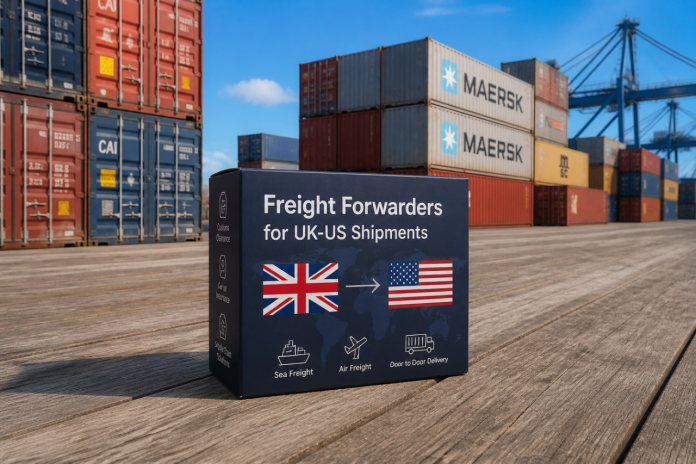
Which UK-to-USA Shipping Option Fits Your Cargo?
Choose around shipment size, handling needs, and the required delivery date. Compare complete services before deciding that a full container or shared space offers better value.
FCL for a Dedicated Container
Full-container-load shipping gives your shipment dedicated use of the booked container. It can suit larger consignments or goods for which fewer shared handling stages matter. You do not need to fill every available cubic foot to book FCL.
Check the packed dimensions, payload limits, and loading arrangement before selecting equipment. A container’s nominal capacity does not establish whether your pallets fit through its doors or whether the collection site can accommodate the vehicle. Ask who loads, secures, seals, and unloads the goods.
LCL for Cargo Sharing Container Space
Less-than-container-load shipping combines cargo from different shippers. It can suit a smaller commercial load, but compare the consolidation, destination warehouse, and release charges alongside the ocean component.
Provide measured packed volume and gross weight. The forwarder should explain the charging basis and minimums. Extra handling at consolidation and deconsolidation points also makes packaging important: the goods must withstand more than a direct move from your warehouse into a dedicated box.
Parcel or Air Services for Smaller or Urgent Shipments
A few boxes may fit a parcel service, while urgent commercial goods may justify air cargo. Check piece limits, commodity acceptance, customs arrangements, and delivered cost rather than choosing purely by weight.
For shipping boxes from the UK to the USA, describe their contents accurately. Batteries, liquids, or personal effects can change acceptance or paperwork. An air option is useful only if collection, clearance, and final delivery also fit the deadline.
What Makes Up the UK-to-USA Shipping Cost?
Shipping costs between the UK and USA include several charges beyond the basic freight rate. Understanding how those costs are built helps you compare quotes and avoid surprises.
· Collection and export handling. Identify the pickup postcode, loading requirements, export customs service, and any consolidation or terminal handling. Confirm whether the price assumes business-hours collection and suitable vehicle access.
· Ocean transport. Record the origin and destination ports, FCL equipment or LCL charging basis, sailing option, currency, and rate validity. Ask which surcharges are included and what could trigger a revised quote.
· US destination handling. Check terminal or destination warehouse charges, document release, and handling minimums. Obtain the destination agent’s charge schedule before treating a port-to-port price as a budget.
· Import processing. Separate broker fees, bond costs where required, duties, and other government charges. Classification, origin, value, and product rules must be established for the actual goods.
· Inland delivery and unloading. Price the move from the arrival facility to the receiving address, including appointments and the unloading method. Residential or restricted-access delivery needs an explicit arrangement.
· Insurance and delays. Ask whether cargo insurance is optional and obtain the relevant cover terms. Check free time and the charging triggers for storage, demurrage, or detention instead of assuming all waiting time is included.
Keep the offer’s currency and tax treatment visible. If one provider quotes in pounds and another in dollars, use a stated exchange-rate assumption for comparison and ask how the payable amount is determined. Do not compare a container purchase price with the cost of transporting goods in a carrier’s container.
How Long Does UK-to-USA Container Shipping Take?
Shipping from the UK to the USA typically takes a few days to several weeks, depending on the shipping method and destination.
· FCL Sea Freight: Around 10–40 days port to port. East Coast routes are generally faster than West Coast routes.
· LCL Sea Freight: Approximately 3–8 weeks, allowing for cargo consolidation, unpacking, and additional handling.
· Air Freight: Around 3–10 days, including typical cargo handling and transportation arrangements.
For sea freight, allow extra time for customs clearance and inland delivery. Confirm the estimated departure, arrival, and delivery dates with your freight forwarder before booking.
Which Documents and Customs Arrangements Do You Need?
Shipping a container from the UK to the USA requires the right paperwork and customs setup before the cargo moves. A clear plan helps avoid clearance delays and missing information at either end.
UK Export Details and Supporting Documents
For Great Britain exports, GOV.UK’s export guidance identifies EORI registration and export procedures; Northern Ireland can involve different arrangements. Establish who makes the declaration and provides the export reference and clearance evidence required for the movement.
Prepare the commercial invoice and packing information with consistent descriptions, quantities, weights, values, and parties. Check licensing and restrictions for the goods. Tell your customs representative whether this is a sale, return, temporary movement, or relocation because the procedure may differ.
US Importer Responsibilities and Advance Filing
Confirm the importer of record and the authorized customs broker. Using a broker does not remove the need for accurate classification, value, origin, and product information from the responsible importer.
Ocean shipments also require attention before departure. CBP’s ISF timing guidance states that eight importer data elements are due no later than 24 hours before loading for covered vessel cargo. Have the broker confirm applicability, remaining data deadlines, and filing acceptance. Do not leave that conversation until the ship arrives.
Cargo-Specific Restrictions and Clearance Requirements
Food, plants, wood packaging, chemicals, and other controlled goods may involve requirements beyond a standard customs entry. Obtain product-specific advice from the relevant authority and broker before the goods are packed or collected.
Keep a clear record of missing information and who will supply it. A forwarder’s willingness to move the shipment is not confirmation that every US product requirement has been satisfied. Resolve an uncertain description or permit before committing to a sailing.
How Do You Arrange a UK-to-USA Container Shipment?
Once the route and shipping terms are clear, the shipment can be arranged around the cargo, schedule, and delivery plan. The process below shows how each stage fits together.
Step 1. Define Cargo, Addresses, and Service Scope
Record the commodity, packed piece dimensions, gross weight, value, ready date, collection postcode, and delivery address. Flag special handling and access limits. With that brief, find freight forwarders for UK-US shipments and ask which service options they can actually support. Continue when each provider is pricing the same cargo and endpoints.
Step 2. Compare Itemized Quotes and Confirm Responsibilities
Use the same brief to request a UK-US shipping quote. Reconcile exclusions, currencies, validity, customs roles, insurance, and destination charges. Confirm the importer and advance-filing contact. Select an offer only after the provider explains the remaining variable costs and who pays them.
Step 3. Coordinate Booking, Clearance, and Final Delivery
Obtain the booking and cargo and document cutoffs. Confirm clearance and filing arrangements before loading, then track departure and arrival through the carrier or forwarder. Arrange release, the delivery appointment, and unloading with the destination team. Keep the booking open operationally until delivery is confirmed and any container-return requirement is completed.
Conclusion
A usable UK-to-USA shipping plan connects the transport choice to the full delivered cost and the parties responsible at each border. The lowest ocean component alone cannot establish which offer fits your goods or deadline.
Collect the cargo details first, then compare quotations with identical endpoints and written exclusions. Before handing over the goods, confirm export and import arrangements, the booking cutoffs, and the receiving site’s delivery requirements with the people carrying out each stage.
Frequently Asked Questions
Can You Ship a Few Boxes Without Booking a Full Container?
Yes. Depending on size, contents, and urgency, parcel delivery, LCL, or air cargo may be suitable. Compare their complete delivery scope and minimum charges. Give the provider the packed dimensions and contents so it can confirm acceptance rather than assuming every small consignment qualifies for a parcel service.
Does a Freight Quote Include US Duties and Destination Charges?
Only if the offer explicitly includes them on an appropriate basis. A headline freight price may exclude import duties, broker fees, destination handling, and inland delivery. Ask for an itemized statement and identify the payer. An estimate of government charges also needs the correct classification, origin, and customs value.
Can Personal Effects Follow the Same Process as Commercial Cargo?
Transport equipment may be similar, but customs treatment and documentation differ. CBP provides Form 3299 for relevant unaccompanied personal articles. Use a provider familiar with relocations, supply a detailed inventory, and confirm eligibility and restrictions rather than assuming personal effects automatically enter duty-free.

Last
ETD Meaning in Shipping: Departure Estimates and Schedule Changes
ETD means estimated time of departure: the expected departure of a vessel from a stated port. It supports planning but does not co

Next
BCO Meaning in Shipping: The Cargo Owner's Role
BCO stands for beneficial cargo owner, the business with a direct commercial interest in the goods being shipped. Often an importe