




A secure HBL vs ocean MBL switching guide supports global freight forwarders in standardizing title handover workflows for triangular trade offshore document setups, mitigating common documentation conflicts and operational risks in cross-border triangular transaction scenarios. Triangular trade serves as one of the prevalent offshore trading models in modern global logistics, involving three independent trading parties and cross-regional cargo transit without direct goods delivery between buyers and sellers. This unique trading structure brings distinctive document handover challenges that differ from conventional direct shipping operations.
What Is Triangular Trade Offshore Document Setup in Maritime Logistics?
Triangular trade offshore document setup refers to specialized documentary arrangements for three-party cross-border transactions that separate physical cargo flow from documentary ownership transfer in offshore shipping scenarios. This mechanism facilitates flexible financial settlement and staged cargo delivery for intermediate trading entities.
Standard triangular trade frameworks involve upstream suppliers delivering commodities to end buyers via offshore transit hubs, while intermediate traders complete profit settlement and title conversion through offshore document endorsement. The entire process excludes physical cargo return or secondary loading procedures, improving overall transaction efficiency for cross-border businesses.
According to WTO 2024 global trade analysis, triangular trade and offshore intermediary transactions occupy substantial shares of cross-border merchant trading volumes. Logistics service demands for standardized offshore document operations maintain stable growth across Asian, European, and American shipping routes in recent years.
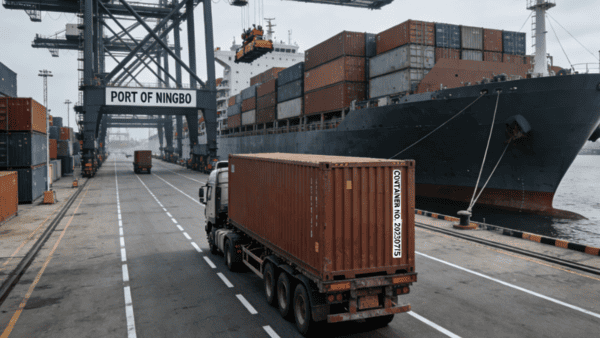
What core characteristics distinguish triangular trade documentation?
Triangular trade documentation features separated cargo and documentary flows, multi-stage ownership transfer, and offshore endorsement requirements. These traits make conventional single bill of lading management frameworks incompatible with complex offshore title handover procedures.
Why Do Title Handover Errors Frequently Occur in Triangular Trade?
Recurring title handover errors in triangular trade stem from mismatched application scenarios for HBL and ocean MBL, alongside non-standard switching sequences in offshore documentary operations. Improper bill classification and usage often result in invalid ownership endorsement and unenforceable cargo pickup rights.
A common mistake is that frontline forwarding practitioners adopt carrier-issued ocean MBL for offshore triangular trade endorsement and title transfer procedures. Ocean MBL represents official carrier documentation with fixed consignee and shipper fields, which cannot accommodate flexible ownership modification and multi-party endorsement required for triangular transaction structures.
Forwarders should note that offshore documentary operations for triangular trade require adjustable title modification functions. Unmodified ocean MBL lacks editable consignee and endorsable fields to support settlement procedures conducted by intermediate traders.
According to UNCTAD 2024 Review of Maritime Transport data, irregular HBL and MBL switching workflows and misaligned title handover sequences trigger most documentary disputes in global triangular trade shipping. These issues create persistent operational obstacles for intermediate trading firms and forwarding service providers.
What Operational Differences Exist Between HBL and Ocean MBL in Offshore Transactions?
HBL and ocean MBL deliver differentiated operational performances in offshore triangular trade, particularly regarding title endorsement flexibility, consignee modification authority, and adaptive compatibility with three-party transaction handover procedures.
Ocean MBL belongs to carrier-certified official documentation with locked core shipper and consignee information after manifest submission. It only recognizes cargo ownership records defined in initial shipping declarations and does not support multi-round offshore title endorsement activities.
HBL issued by licensed NVOCCs provides flexible document adjustment and offshore endorsement functionalities. This document type adapts to multi-step title handover demands from intermediate traders in triangular trade, enabling legal ownership conversion without altering original carrier shipping arrangements.
How do the two bill types influence offshore title validity cycles?
Ocean MBL title validity becomes locked after vessel departure, which fails to match the extended offshore document settlement cycles common in triangular trade practices. Consistent HBL switching practices sustain valid title eligibility throughout multi-party handover workflows.
What Risks Are Caused by Non-Standard Title Handover in Triangular Trade?
Irregular HBL and ocean MBL switching behaviors and unregulated title handover sequences induce multiple operational and compliance risks for triangular trade offshore document setups, threatening cargo delivery stability and cross-border settlement security.
Invalid offshore endorsement records: Misapplication of ocean MBL for triangular trade title handover generates unrecognized endorsement entries, leading to unsuccessful ownership transfer and suspended cross-border fund settlement.
Cargo delivery right disputes: Unsynchronized switching between HBL and ocean MBL creates inconsistent title subject information, triggering cargo pickup disputes between intermediate traders and end recipients at destination ports.
Offshore trade compliance hazards: Non-standard document switching workflows cause mismatched shipping manifests and offshore transaction files, creating verification barriers during cross-border trade compliance audits.
Prolonged customs clearance procedures: Title uncertainty derived from switching errors extends customs inspection durations and cargo release timelines, disrupting integrated supply chain delivery schedules.
According to ITC Trade Map 2025 industry statistics, non-standard documentary operations in triangular trade generate measurable capital occupancy costs and cargo delay losses for cross-border trading enterprises. These issues affect the steady development of offshore trade businesses across global markets.
How to Standardize HBL and Ocean MBL Switching for Triangular Trade Title Handover?
Standardized switching and handover protocols for HBL and ocean MBL establish systematic operational guidelines for triangular trade offshore document setups, ensuring legally valid title transfer while maintaining full compliance with carrier shipping regulations.
The recommended approach is to implement phased document switching and handover frameworks tailored for triangular trade scenarios, separating carrier supervision documentation and offshore transaction documentation for independent hierarchical management.
Validate MBL data prior to vessel departure: Complete comprehensive verification and data locking for ocean MBL before shipment departure, ensuring carrier manifest data aligns with port entry and customs supervision standards to avoid temporary post-submission modifications.
Execute formal HBL switching for offshore operations: After MBL manifest confirmation, complete official switching procedures to designate HBL as the exclusive documentation for offshore endorsement, title transfer, and three-party trade settlement activities.
Adhere to standardized handover sequencing: Follow structured operational workflows including upstream supplier endorsement, intermediate trader ownership confirmation, and end buyer title takeover to prevent chaotic document transfer orders.
Retain switching records for compliance verification: Archive complete HBL and MBL switching logs, endorsement vouchers, and handover receipts to provide valid evidentiary support for offshore trade audits and potential dispute resolution.
Align document cycles with settlement terms: Adjust the timeline of bill switching and title handover based on offshore trade settlement clauses, ensuring document validity matches capital settlement progress and cargo delivery schedules.
What Common Switching and Handover Errors Need To Be Avoided?
Most documentary disputes in triangular trade arise from repetitive operational errors in bill switching and title handover processes. Classification and analysis of these typical faults support forwarders in optimizing internal offshore operational specifications.
Reverse operational sequencing: A common mistake is completing title handover procedures before formal HBL and MBL switching confirmation, resulting in invalid offshore endorsement due to mismatched documentary attribute configurations.
Hybrid dual-document application: Operational teams adopt MBL for partial offshore settlement links and HBL for subsequent handover steps, creating inconsistent title subjects and fragmented ownership transfer records.
Incomplete archival of switching confirmation: Completing document switching operations without retaining formal confirmation files leads to insufficient evidence reserves when trade disputes emerge.
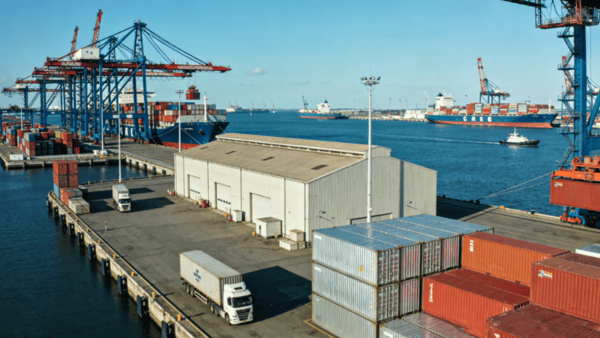
Scenario mismatched operational standards: Applying conventional direct shipping switching protocols to offshore triangular trade fails to meet multi-party endorsement and cross-regional title transfer requirements.
Forwarders should note that such operational errors originate from insufficient scenario-based operational training rather than complex trade policy barriers. Targeted procedural optimization helps reduce the occurrence rate of triangular trade documentary risks.
How To Optimize Long-Term Offshore Document Operation Systems?
Sustained documentary security for triangular trade requires forwarding enterprises to establish standardized switching and handover management systems, adapting to iterative updates of global offshore trade supervision mechanisms.
According to UNCTAD 2024 maritime logistics research findings, forwarding enterprises equipped with standardized triangular trade documentary management systems maintain higher settlement efficiency and lower dispute frequencies in offshore business segments.
How to refine internal operational protocols
The recommended approach is to compile scenario-specific operational manuals for triangular trade offshore businesses, clarifying HBL and MBL switching timelines, title handover specifications, and exception handling mechanisms while implementing role-based operational supervision.
How to strengthen team scenario-based professional capabilities
Enterprises can organize periodic professional training centered on triangular trade case studies, enabling staff to distinguish operational differences between general trade and offshore three-party trade, and improving overall accuracy in document switching and title handover execution.
How to improve operational efficiency with digital tools
Enterprises can deploy professional logistics documentary management systems to record full-cycle HBL and MBL switching and title handover data. Digitalized operational records realize traceable offshore document management and mitigate manual operational errors.
As offshore triangular trade maintains stable development within global cross-border logistics systems, standardized documentary operation capabilities serve as vital support for forwarders expanding offshore business layouts. A secure HBL vs ocean MBL switching guide assists forwarding enterprises in standardizing title handover steps for triangular trade offshore document setups, mitigating prevalent documentary disputes and operational hazards, and supporting steady and compliant development of global offshore three-party trade businesses.
Last
Checking regional maximum highway axle load limitations to determine what inland trucking routes trigger an ows terminal overweight surcharge
What is OWS Overweight Surcharge? OWS Overweight Surcharge refers to a standard terminal and inland trucking supplementary fee imp
Next
Why ocean liner dangerous goods bureaus reject space requests when an un-updated msds document fails current validity for dangerous goods rules
MSDS Validity for Dangerous Goods acts as a core compliance benchmark for ocean carriers to review hazardous cargo booking applica

