




Forwarders depend on stable carrier partnerships and secured slot resources amid tight-capacity market conditions, and proactive technical coordination with vessel operators helps standardize container stowage procedures and effectively avoid rolled cargo on high-demand tightly allocated shipping lanes.
What makes tightly allocated shipping lanes prone to rolled cargo risks
Tightly allocated shipping lanes are high-priority trade routes with fixed slot quotas, constrained vessel capacity, and rigid port turnaround schedules that limit flexible cargo stowage and securing operations.
How capacity volatility impacts routine stowage standards
According to UNCTAD 2025 Review of Maritime Transport, global container shipping capacity expanded by 10.1% in 2024, yet widespread Red Sea rerouting and extended voyage distances absorbed most newly added tonnage. This structural imbalance keeps major east-west trade lanes in persistent capacity tightness, forcing vessel operators to raise container load factors and streamline terminal operational workflows. Reduced operational buffers eliminate refined dunnage placement and multi-point lashing verification, raising the probability of in-transit cargo shifting and rolling.
Why mixed consolidated cargo increases stowage instability
Tight slot allocation encourages mixed consolidated shipments to maximize vessel space utilization. Forwarders frequently combine disparate cargo types with inconsistent weight density, packaging rigidity, and dimensional specifications to fill allocated container slots. Such heterogeneous stowage creates uneven load distribution and irregular friction points inside containers. Rushed stuffing operations during peak cycles often omit void filling and secondary reinforcement, forming latent structural defects that trigger rolled cargo incidents in turbulent maritime environments.
Why carrier relationships matter for cargo stowage stability
Long-term collaborative relationships with vessel operators grant forwarders access to standardized stowage protocols and priority terminal resources that mitigate in-transit cargo displacement risks.
A common mistake is that many forwarding teams limit carrier communication to slot booking and freight rate negotiation, disregarding the direct influence of carrier operational authority on container stowage quality. Vessel operators control critical on-site resources including container stowage bay assignment, loading sequence arrangement, and pre-departure stability inspections. Forwarders with transaction-only cooperation can only adopt generic stowage schemes, which fail to accommodate specialized cargo protection requirements and induce recurring rolled cargo problems.
Forwarders should note that carriers adopt tiered operational standards based on client cooperation duration and shipment volume in constrained markets. Strategic long-term partners gain access to customized stowage blueprints, dedicated stevedore supervision, and repeated pre-sailing stability checks. These value-added operational arrangements reduce human-induced stowage errors and suppress vibration-triggered cargo rolling on congested fixed trade lanes.
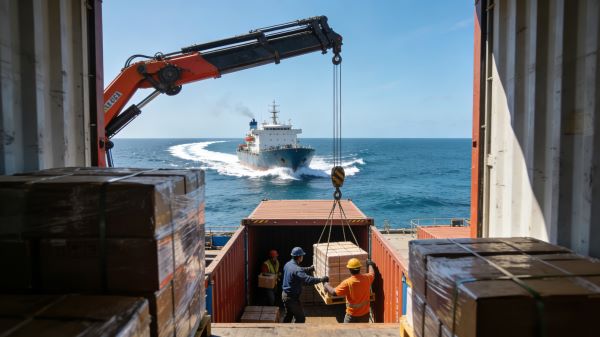
How do tight lane constraints amplify cargo rolling hazards?
Capacity scarcity and rigid scheduling on tightly allocated lanes create layered operational restrictions that worsen conventional container stowage vulnerabilities.
Can compressed terminal turnaround windows undermine securing quality?
Limited port turnaround time restricts comprehensive void mitigation and tensile lashing procedures, leaving unsecured gaps that facilitate cargo displacement during ocean voyages.
According to UNCTAD 2025 supply chain operational data, persistent route diversions have increased average vessel turnaround pressure at major hub ports throughout 2024 and early 2025. Terminals shorten container stuffing and inspection cycles to maintain schedule integrity, cutting time allocated for professional dunnage installation, layered tension testing, and void filling by nearly 20%. Incomplete securing structures lack sufficient rigidity to resist continuous hull vibration and lateral swaying, gradually developing into large-scale cargo sliding and rolling.
Does saturated slot utilization cause unbalanced cargo stacking?
Full slot saturation encourages dense, unregulated cargo stacking that disrupts container gravity balance and elevates rolled cargo risk exposure.
Tightly allocated lanes maintain high vessel load factors year-round, with carriers prioritizing volumetric efficiency over customized stowage balance. Operational teams frequently arrange heavy dense cargo adjacent to lightweight fragile goods without zoning segregation. Unsymmetrical load distribution shifts container center of gravity and generates concentrated stress points. Under prolonged wave agitation and vessel torsion, minor stowage irregularities escalate into continuous cargo rotation and displacement, resulting in physical damage and delayed cargo delivery.
What cooperative strategies strengthen forwarder-carrier partnerships?
Structured, standardized cooperation frameworks build mutual operational trust and secure stable stowage support to minimize cargo rolling on constrained trade lanes.
Secure annual fixed-slot contractual agreements: Sign long-term seasonal or annual slot reservation contracts with established vessel operators for core export and import lanes. Fixed contractual partnerships avoid random peak-season capacity shortages and guarantee predictable loading time windows. This is one of the commonly adopted approaches to stabilize stowage standardization and reduce error-prone rushed operations.
Submit formal technical stowage briefs in advance: Share detailed cargo manifests, weight distribution parameters, packaging specifications, and customized securing requirements with carrier operational teams 48 hours prior to vessel berthing. Pre-emptive technical documentation enables stevedores to prepare tailored dunnage materials and optimized stacking layouts in advance.
Conduct periodic technical alignment meetings: Maintain consistent communication with carrier supervisory staff to synchronize lane-specific maritime risks, seasonal weather patterns, and updated stowage compliance standards. Continuous technical alignment helps carriers prioritize safety-oriented stowage arrangements for reliable long-term clients.
Establish bilateral shipment risk feedback loops: Synchronize real-time shipment data, historical cargo damage records, and recurring stowage challenges with carrier teams. Transparent data sharing supports iterative optimization of lane-specific loading protocols and proactive risk mitigation.
What carrier-supported operations reduce rolled cargo risks effectively?
Authorized carrier operational resources optimize container stowage environments and eliminate controllable structural triggers of cargo rolling on tight allocated lanes.
Reserve low-vibration mid-ship stowage bays: Negotiate dedicated container placement in mid-ship deck zones with minimal hull torsion and wave impact. These stable stowage positions reduce mechanical agitation and restrict lateral or rotational cargo movement during transit.
Apply for priority pre-departure technical inspections: The recommended approach is to request carrier-led secondary stability audits for high-value or displacement-prone cargo before vessel departure. Professional marine inspectors can identify subtle securing defects overlooked during routine terminal stuffing.
Adopt lane-adapted stowage standard guidelines: Obtain route-specific stowage protocols from carriers based on voyage duration, prevailing sea conditions, and seasonal storm frequencies. Long-haul or high-turbulence lanes require enhanced lashing tension and comprehensive void-filling standards.
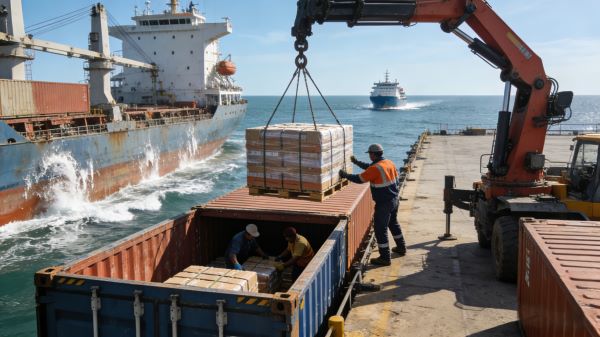
Build joint in-transit emergency response channels: Establish direct communication access to vessel crew members for real-time anomaly monitoring. Crews can conduct on-vessel stability assessments and implement temporary reinforcement measures during severe weather or route diversion to prevent aggravated cargo rolling.
What operational norms avoid cooperation-induced stowage defects?
Standardized daily cooperation protocols eliminate information asymmetry and operational misalignment that cause incomplete cargo securing and subsequent rolled cargo incidents.
How insufficient technical communication creates stowage loopholes
A common mistake is that forwarders limit carrier interactions to commercial matters while neglecting technical stowage coordination. Most generic carrier loading schemes do not account for special cargo characteristics such as fragile packaging, oversized dimensions, or high-density weight concentration. Uncommunicated technical requirements result in one-size-fits-all stowage execution, which fails to sustain cargo stability under complex maritime conditions.
Why last-minute shipment adjustments undermine stability
Forwarders should note that carriers implement fixed pre-planned loading sequences for all allocated lane voyages. Temporary booking revisions, last-minute cargo additions, and on-site stowage alterations disrupt pre-engineered load distribution and structural balance. Frequent ad-hoc modifications in peak shipping cycles create irregular stacking gaps and loose lashing tension, forming direct triggers of in-transit cargo rolling.
What standardized workflows optimize cooperative quality
The recommended approach is to implement unified end-to-end cooperation workflows covering booking confirmation, technical document submission, stowage requirement validation, and pre-departure inspection docking. Formalized procedural standards reduce human communication errors, ensure full implementation of cargo safety specifications, and sustain consistent stowage quality for recurring tight-lane shipments.
How does stable carrier cooperation reduce long-term logistics losses?
Consistent high-quality forwarder-carrier collaboration lowers controllable cargo damage rates and minimizes operational and compensatory costs on capacity-constrained shipping lanes.
According to Drewry 2024 global container damage analytics, cargo displacement and rolling incidents on tightly allocated trade lanes account for over 32% of total ocean freight indemnity claims. Forwarders with mature strategic carrier partnerships can access customized stowage supervision and priority inspection resources to reduce such controllable losses significantly. Stable slot allocation also eliminates the risks associated with emergency ad-hoc bookings, which typically feature unregulated stowage quality and higher damage probabilities.
Additionally, reliable cargo safety performance improves client satisfaction and contract retention. In the competitive global forwarding industry, lane-specific risk mitigation capabilities built on solid carrier relationships serve as a valuable service differentiation factor and strengthen long-term market competitiveness.
Conclusion: Optimize carrier cooperation to stabilize cargo safety on tight lanes
Tightly allocated shipping lanes are defined by persistent capacity constraints, compressed terminal operational windows, and volatile maritime transit conditions, all of which heighten stowage instability and cargo rolling risks. Passive reliance on generic carrier loading standards cannot address the structural vulnerabilities of high-density constrained trade lanes.
By cultivating long-term strategic vessel operator partnerships, deploying standardized technical communication workflows, and leveraging lane-adapted stowage and inspection resources, forwarders can effectively offset the operational limitations of tight slot allocation. Active and professional carrier collaboration refines every stage of container stuffing, cargo securing, and pre-sailing verification, eliminating latent displacement hazards.
Amid peak-season capacity saturation and frequent global route disruptions, systematic forwarder-carrier cooperation remains a reliable, sustainable strategy to standardize stowage quality and avoid rolled cargo on tightly allocated lanes for stable, low-risk international container shipping operations.
Last
How to choose shipping route lanes that minimize multi port transshipment risks for fragile industrial cargo
Professional global freight forwarders choose shipping route lanes that minimize multi port transshipment risks for fragile indust
Next
How global forwarders choose transshipment port hubs with optimal container crane productivity levels
Global forwarders choose transshipment port hubs with optimal container crane productivity levels to streamline container transit

