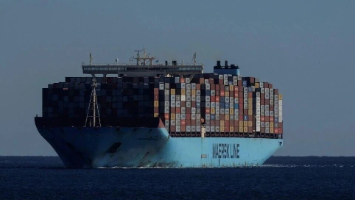



The conflict between the United States and Iran in and around the Strait of Hormuz has escalated further. On September 5, local time, the U.S. military struck three Iranian oil tankers. U.S. Central Command (CENTCOM) said two were “permanently disabled” and one was destroyed. Iran subsequently responded with retaliatory action. As risks to commercial shipping continue to rise, vessel traffic through the Strait of Hormuz has fallen significantly, adding further uncertainty to Middle East energy shipments and operations on related shipping routes.
Key Highlights
• U.S. strikes: The U.S. military struck three Iranian oil tankers, reportedly leaving two permanently disabled and destroying one.
• Iranian response: Iran responded with retaliatory action as commercial vessel traffic through the Strait of Hormuz continued to decline.
• Shipping disruption: There is no authoritative confirmation that the strait has been fully closed, but war risk premiums, schedule disruption, and diversion risks have increased significantly.
U.S. Strikes Three Iranian Oil Tankers as Commercial Shipping Is Drawn into the Conflict
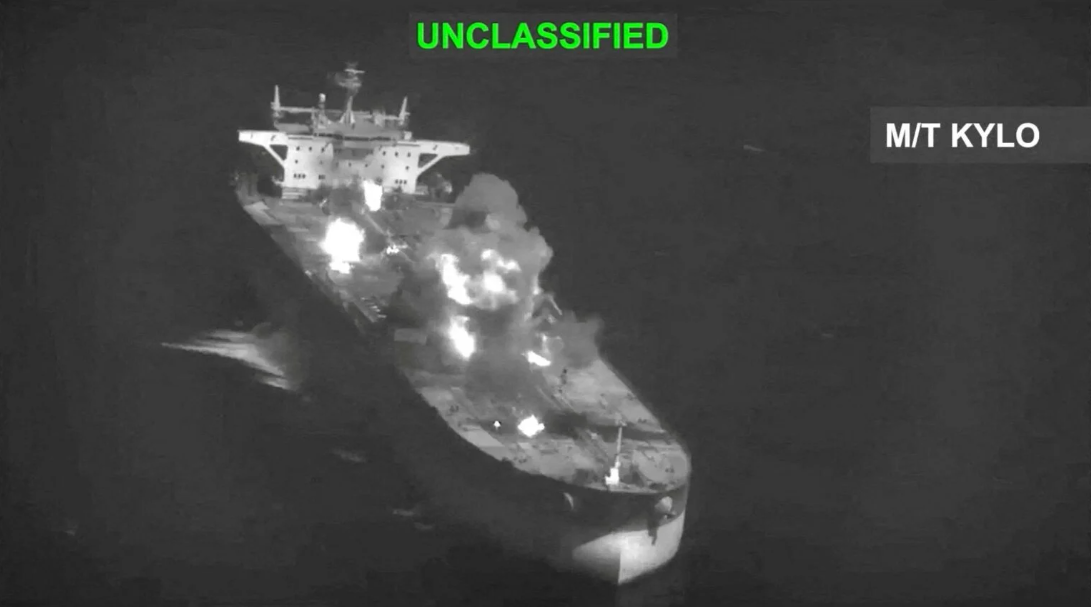
According to information released by CENTCOM, the U.S. military struck three Iranian oil tankers on September 5: M/T Downy, M/T Stark 1, and M/T Kylo, also known as Noxen. The United States said the vessels were linked to a “shadow fleet” that helped finance Iran’s Islamic Revolutionary Guard Corps and associated proxy networks. CENTCOM said Downy and Stark 1 were permanently disabled, while Kylo was destroyed after its crew had been instructed to evacuate. The United States also said Iran had previously launched ballistic missiles at two U.S. Navy vessels, which evaded the attack without casualties.
Details of the vessels and military action have primarily come from U.S. statements, while Iran has presented a different account. Iran said it had taken action against certain tankers operating without authorization and continued retaliatory operations against U.S.-related targets. The reports should therefore be understood as separate accounts issued by the two sides rather than a single, independently verified version of events.
Iran Retaliates as Strait of Hormuz Traffic Falls Sharply
The effects of the conflict are already extending beyond military action to commercial vessel operations. Reuters data showed that commercial traffic through the Strait of Hormuz has remained at low levels in recent weeks. During parts of early September, the daily number of vessels carrying energy cargoes through the strait declined further, with some tankers turning back or delaying their transits. Some vessels have also switched off their Automatic Identification System (AIS) signals, meaning actual traffic may be higher than publicly available tracking data indicates.
There is currently no authoritative confirmation that the Strait of Hormuz has been fully closed. However, risk-avoidance measures by ship operators, navigation restrictions, and tighter security assessments have already constrained traffic through the waterway. For crude oil, refined products, and other commodities shipped from the Persian Gulf, vessel delays, rerouting, and rising insurance costs could push overall transportation costs higher.
What Should Shippers Monitor as Maritime Risks Increase?
If the situation continues to escalate, energy shipments and other maritime operations through the Strait of Hormuz and the Persian Gulf would face the most immediate disruption. Shipowners may adjust routes or sailing schedules in response to security conditions, while some vessels may face longer waiting times. War risk premiums, risk surcharges, and the additional fuel and time required for diversions could also increase further.
For international logistics operations involving the Middle East, the immediate focus should be on real-time vessel and route arrangements rather than simply whether the strait is officially closed. For cargo moving through Persian Gulf ports, shippers and freight forwarders should confirm whether carriers have changed port calls, introduced additional surcharges, or revised estimated times of arrival. For time-sensitive cargo, shippers should also build additional time into their plans to account for possible delays and diversions.
At present, the main change in the Strait of Hormuz is not a complete halt to vessel traffic but a decline in effective traffic volumes as security risks increase. If the conflict between the United States and Iran expands further, commercial vessels may avoid a wider area, potentially leading to further changes in schedules, insurance costs, and transportation costs on Middle East routes.
Sources and Disclaimer
Sources include U.S. Central Command, Reuters, and other publicly available shipping industry information. This article is provided for informational purposes only for the international logistics and freight forwarding industry. Specific operational arrangements remain subject to the latest notices from the relevant authorities and carriers.