






Empty container operations at India’s Mundra Port are set to undergo a major adjustment. Port operator Adani Ports and Special Economic Zone Limited (APSEZ) has issued an official notice stating that, from September 1, shipping lines will no longer be permitted to use off-dock empty container depots. All empty containers must be moved to officially designated depots within the Mundra Port SEZ. The new policy has met strong opposition from local depot operators, and the relevant industry association has warned that its members will suspend operations from midnight on August 28 unless the policy is withdrawn. This could place temporary pressure on empty container operations and the local logistics network. The adjustment does not involve a complete shutdown of the port, but empty container pickup and return locations, trucking arrangements, and local operating costs will change. Freight forwarders and importers and exporters should review their shipment plans in advance.
Key Highlights
• Effective date: From September 1, APSEZ will restrict shipping lines from using off-dock empty container depots at Mundra Port.
• Centralized operations: All empty containers will be moved to designated depots within the Mundra Port SEZ, tightening restrictions on off-dock operations.
• Industry opposition: The local depot association has threatened to suspend operations from midnight on August 28 unless the policy is withdrawn.
• Operational changes: Empty container pickup and return locations, trucking routes, operating times, and charges will change and should be confirmed before shipment.
Restrictions on Off-Dock Empty Container Depots Take Effect on September 1
The policy primarily targets the existing operating model for off-dock empty container depots. Shipping lines have long leased private depots outside Mundra Port for the storage, maintenance, repair, preparation, and daily movement of empty containers. These depots provide operational flexibility and handle a significant volume of empty containers that would otherwise need to be managed within the port.
Under APSEZ’s latest rules, all operating codes for off-dock empty container depots will be suspended from September 1. Shipping lines will no longer be permitted to store or reposition empty containers outside the port. All empty import and export containers must instead be consolidated at officially designated depots within the bonded area of the Mundra Port SEZ.
APSEZ cited several compliance and operational reasons for the change, including preventing the misuse of empty depot codes, reducing road congestion around the port, shortening truck turnaround times, eliminating unnecessary transport distances, and strengthening centralized inspection, safety controls, and standardized management of empty containers. APSEZ also said the policy would optimize overall port logistics costs and align operations with the established model used at Dubai’s Jebel Ali Port.
The new policy applies only to the storage and repositioning of empty containers. It does not affect laden container operations, vessel berthing, or the port’s basic cargo-handling functions, and Mundra Port will continue operating normally. The operational impact will depend on how quickly shipping lines adjust their empty container locations and on the detailed implementation arrangements.
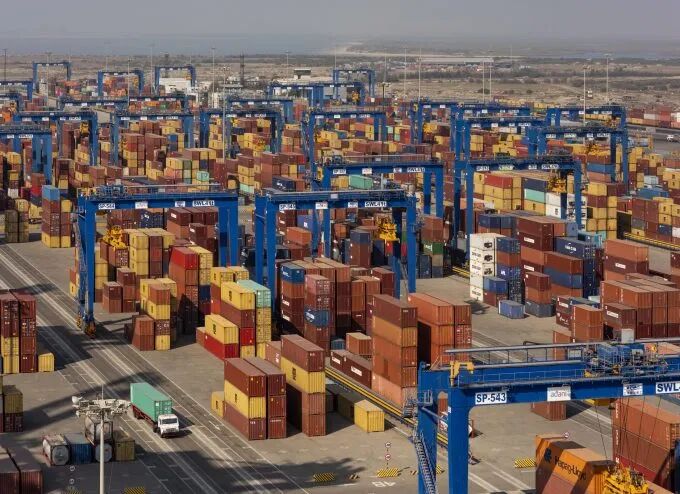
△ Mundra Port
Depot Association Threatens to Suspend Operations in Protest
The policy directly affects Mundra’s off-dock depot sector and has prompted strong industry opposition. The Mundra Empty Container Depots and Associated Service Providers Association said private depot operators had invested heavily in land development, equipment, operating teams, and container repair facilities. These companies have long supported the port by handling the storage, maintenance, repair, and distribution of empty containers. If off-dock empty container operations are discontinued, many private depot operators could lose their business and be forced to halt operations.
The association has formally warned that its members will suspend depot operations from midnight on August 28 unless APSEZ withdraws the restrictions. According to the association, a widespread suspension would not only cause financial losses for depot operators but also threaten the jobs of more than 5,000 local logistics workers. Trucking companies, equipment maintenance providers, warehousing operators, and other related service providers could also be affected, potentially causing major short-term disruption to empty container movements at the port.
The market should distinguish between two key dates. August 28 is the deadline set by the depot association for the possible suspension of operations, creating a risk of earlier disruption. September 1 is the formal implementation date for APSEZ’s new policy and marks the change in the operating model for empty containers. The scale of the impact will depend on further negotiations and how shipping lines implement the new requirements.
Operational Alert for Freight Forwarders: Empty Container Pickup and Return Procedures to Change
For freight forwarders arranging import or export shipments through Mundra Port, the most direct impact will be on empty container pickup and return procedures. Existing off-dock pickup and return arrangements will no longer apply, requiring operators to revise their procedures.
For export shipments, once shipping lines move all empty containers to designated depots within the port, existing off-dock pickup locations will change. Freight forwarders will need to reconfirm the exact pickup address and adjust trucking routes. Shipments for which trucking and container loading have already been scheduled may require revised transport times to avoid delays to loading or missed cut-offs.
Import and empty container return procedures will also need to be adjusted. Existing off-dock return locations will close, and all empty containers will need to enter the port area for return, inspection, and registration. The concentration of truck traffic could increase queues, extend turnaround times, and raise local operating charges. The overall empty container return process may therefore take longer.
With the risk of depot operations being suspended at the end of August and the new policy taking effect on September 1, freight forwarders should confirm the latest empty container pickup and return locations, effective dates, operating charges, and turnaround requirements for each shipment with the shipping line and local agent. Shipment plans should be adjusted in advance, with additional time allowed to reduce the risk of missed cut-offs, cost overruns, detention charges, and other expenses resulting from the policy change.
Sources and Disclaimer
Sources include APSEZ, the Mundra Empty Container Depots and Associated Service Providers Association, The Loadstar, and other publicly available industry information. This article is provided solely for reference by the international logistics and freight forwarding industry. Specific operating arrangements remain subject to the latest official notices issued by the port and shipping lines.
Last
China-U.S. Port Fee Suspension Nears November 9 Deadline; Suspended Measures Could Resume
The one-year suspension of China–U.S. port fee measures is approaching a new deadline. In November 2025, China and the United Stat
Next
Canada Imposes Additional Tariffs on U.S. Goods from September 8, with Rates as High as 50%
Canada is set to introduce a new round of retaliatory tariffs on U.S. goods. On August 25, local time, the Canadian government ann

