



On August 18, local time, the U.S.-flagged multipurpose cargo ship SLNC York began taking on water while sailing in the Pacific Ocean. After the situation was discovered, the crew and technical team immediately initiated emergency response measures. The nearby Pacific Yantai subsequently arrived to assist, and everyone on board was transferred safely. Operator Schuyler Line Navigation Company (SLNC) said the vessel remains stable and that it is coordinating with the relevant maritime authorities on response operations and port arrangements.
Key Highlights
• Water ingress: SLNC York began taking on water while sailing in the Pacific Ocean on August 18.
• Voyage: The vessel was sailing from Honolulu, Hawaii, to Naha, Japan, when the incident occurred.
• Crew evacuated: The nearby Pacific Yantai responded, and everyone on board was transferred safely.
• Vessel status: The extent of the damage and the port where the vessel will be handled have not yet been confirmed.
• Cause under investigation: Reports of a shaft seal failure have not been officially confirmed.
Crew Evacuated After Vessel Takes On Water in the Pacific
SLNC York was sailing from Honolulu to Naha when the incident occurred. After discovering the water ingress, the crew and technical team immediately took action to bring the situation under control. For safety reasons, however, those on board were later transferred to Pacific Yantai, which had arrived to assist. Publicly available information indicates that everyone was transferred safely, with no casualties reported. Different reports have placed the number of people on board at either 21 or 18, so neither figure should be treated as confirmed at this stage.
Following the evacuation, attention turned to the vessel and the next stage of the response. SLNC is coordinating with the U.S. Coast Guard, the Japan Coast Guard, and other emergency response agencies on the next steps. For shipping companies monitoring Pacific services, the key questions are whether the vessel will require towing or repairs and which port will ultimately handle it.
Vessel Remains Stable, but Final Port Arrangements Have Yet to Be Confirmed
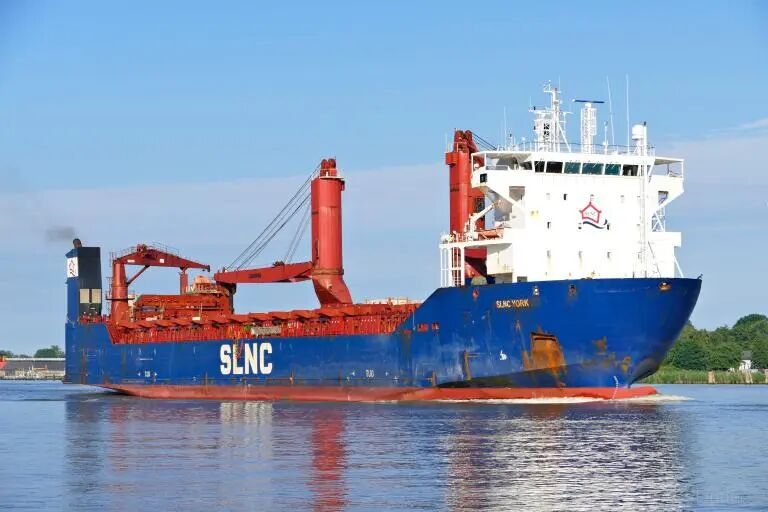
Built in 2010, SLNC York is a U.S.-flagged multipurpose cargo ship measuring approximately 141.6 meters in length, with a deadweight capacity of about 9,500 tonnes. The vessel is equipped for heavy-lift and roll-on/roll-off cargo operations. It was sailing from Honolulu to Naha when the incident occurred. The operator has confirmed that the vessel remains stable, but the extent of the damage and final port arrangements have not been disclosed.
The actual impact on subsequent transport arrangements therefore cannot yet be fully assessed. If the vessel needs to be towed or diverted to another port, the original discharge, transshipment, and onward transportation arrangements may change. Current tracking information shows Pacific Yantai heading to Yeosu, South Korea, but this does not confirm the port where SLNC York will ultimately be handled. Further information should be based on announcements from the shipowner and the relevant authorities.
Cause of Water Ingress Under Investigation as Shaft Seal Failure Remains Unconfirmed
No final conclusion has been reached regarding the cause of the incident. SLNC has confirmed that an investigation is underway. Based on the circumstances, some maritime industry sources have suggested that the water ingress may have involved a propulsion shaft seal failure. However, neither the shipowner nor the investigating authorities have confirmed this explanation. Until the official findings are released, the incident should therefore be described only as a suspected shaft seal-related failure.
For freight forwarders and cargo owners, the immediate priorities are the vessel schedule and cargo status rather than drawing early conclusions about the cause. If cargo is being carried on the current voyage of SLNC York, the carrier or booking agent should be contacted promptly to confirm whether the cargo is on board, whether any diversion or discharge arrangements are planned, and whether the original onward transportation arrangements need to be adjusted. As the vessel’s final port arrangements remain unknown, updates from the carrier should be monitored closely.
If the vessel requires repairs or towing or is diverted to another port, the cargo concerned may face schedule delays, changes to discharge arrangements, and adjustments to transshipment plans. Cargo owners and freight forwarders involved in this voyage should first confirm the cargo status and voyage arrangements, then adjust their logistics plans based on formal notices from the carrier.
Sources
Schuyler Line Navigation Company (SLNC), relevant U.S. and Japanese maritime authorities, maritime industry media, and other publicly available information.
Disclaimer
Figures in this article are based on information published by the relevant organizations. This article is provided solely for industry reference. Please refer to the latest official announcements.
Last
U.S. 50% Tariffs on Certain Canadian Goods Take Effect, Affecting About $20 Billion Worth of Goods
The latest round of trade negotiations between the United States and Canada failed to produce an agreement. The 50% tariffs on cer
Next
112 Containers Inspected, Illegal Tobacco Found in 91 as China and Australia Step Up Checks
The Australian Border Force (ABF) and the anti-smuggling authorities of China Customs recently worked together to uncover a transn