




Indian ports are stepping up efforts to clear long-dwell containers. According to an August 19 report by Indian industry publication India Sea Trade News, the Indian government is advancing a special campaign to clear backlogged containers at ports, with October 31, 2026, reported as the target date. However, no publicly available Indian government document has yet been found to independently confirm this date. India has introduced several port decongestion measures this year, focusing on container backlogs at ports, container freight stations (CFSs), and across inland transportation operations.
Key Highlights
• Target date not officially confirmed: October 31 has been reported by industry media as the target date, but it has not yet been independently confirmed by the Indian government.
• JNPA container backlog: JNPA had approximately 5,000 TEU of long-dwell containers in March, before the figure fell to around 3,200 TEU.
• Decongestion measures: India is using rail services, trailer capacity, and direct port delivery to reduce container backlogs.
• Action for freight forwarders: Freight forwarders should review cargo that has remained at ports or CFSs for extended periods or is still awaiting customs clearance.
Why Are Indian Ports Continuing to Clear Long-Dwell Containers?
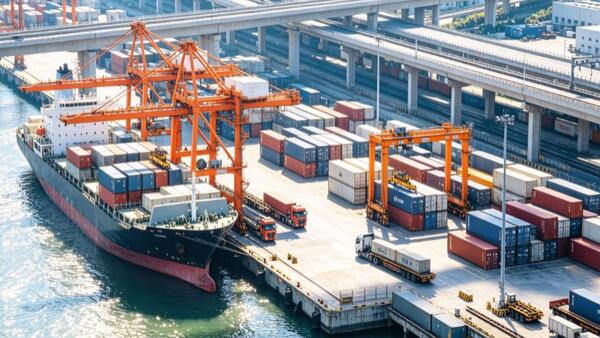
India’s latest clearance campaign is part of a broader decongestion effort under way since the beginning of the year. Longer ocean transit times, service adjustments, and shipping disruptions in the Middle East have prevented some import containers from being transferred and collected as scheduled. Congestion at Indian ports has consequently spread to CFSs and inland transportation operations.
After discharge, containers must pass through several stages, including terminal storage, transfer to a CFS, customs clearance, trailer transportation, and final collection. A bottleneck at any stage can result in containers remaining in the system for extended periods. In early March, JNPA had approximately 5,000 TEU of long-dwell containers. Targeted coordination and evacuation measures subsequently reduced the backlog to around 3,200 TEU. In May, the Indian government again coordinated efforts to address the backlog of import containers at JNPA. Some cargo could not be moved out of the terminal promptly because of a shortage of CFS trailer drivers.
How Is India Accelerating Port Decongestion After JNPA’s Backlog Reached 5,000 TEU?
India has already introduced measures including green channels, trailer pools, rail evacuation, and direct port delivery to address port congestion. In April, India’s Ministry of Ports, Shipping and Waterways also instructed ports and terminal operators to accelerate the handling of long-dwell containers.
In addition to increasing transportation capacity, India is using the Logistics Data Bank (LDB) and Unified Logistics Interface Platform (ULIP) to improve cargo visibility and strengthen information coordination among ports, terminals, and inland logistics nodes. CONCOR and Indian Railways have also used double-stack trains and other measures to support the clearance of approximately 10,000 backlogged containers.
The current measures indicate that India is working to improve container turnaround across ports, CFSs, rail networks, and road transportation. Clearing backlogged containers would free up not only yard space but also container equipment and inland transportation resources that have been tied up for extended periods.
Freight Forwarders Should Review Long-Dwell Cargo, While October 31 Is Not Yet an Official Deadline
For freight forwarders handling India-related shipments, particular attention should be paid to cargo that has remained at ports for extended periods. The status of containers that have been discharged but remain held up by customs clearance, regulatory approvals, CFS transfers, or consignee collection should be confirmed promptly. Freight forwarders should also coordinate with local agents, carriers, CFS operators, and consignees on the next steps. Cargo occupying port or CFS space for extended periods may also incur storage and container detention charges.
India has continued to address long-dwell containers at its ports throughout this year. However, October 31, 2026, has so far been reported mainly by industry media, and no publicly available Indian government document has been found to independently confirm the date. It should therefore not be treated as a nationwide deadline for clearing containers. Further attention should be given to any formal notices issued by Indian ports, customs authorities, and other relevant government agencies, as well as changes in container inventories at major ports such as JNPA.
Rather than waiting for a specific date, freight forwarders handling India-related shipments should review long-dwell cargo and confirm the status of customs clearance and cargo collection in advance. As India continues to clear container backlogs, port inventories, CFS turnaround times, trailer availability, and the return of container equipment to circulation could all affect the efficiency of logistics operations in India.
Sources
India Sea Trade News, information from Indian ports, and other publicly available industry sources. This article is provided solely for reference within the international logistics and freight forwarding industries. Specific implementation arrangements are subject to the latest notices issued by the relevant Indian authorities and ports.
Last
91% of Reported Tanker Transits 'Go Dark' as 150 Vessels Gather in the Gulf of Oman: Shipping Continues Through the Strait of Hormuz as Operating Patterns Change
Risks to commercial shipping through the Strait of Hormuz continue to rise, but crude oil transportation has not stopped completel
Next
MSC Has Acquired 500 Secondhand Containerships as Fleet Nears 7.4 Million TEU, Alphaliner Reports
MSC has reached another milestone in its fleet expansion. According to the latest Alphaliner data, the carrier has acquired 500 se

