




Introduction: A sudden capacity adjustment has been announced on the West Coast South America trade. Maersk’s new AC1 Far East–West Coast South America express service, which made its maiden voyage on July 5, has temporarily cancelled one eastbound and one westbound sailing in August, less than one month after its launch.
As a key Maersk service covering the west coast of South America, the temporary adjustment will directly affect Far East exports originating from Ningbo and cargo bound for Mexico, Colombia, and Ecuador. This article outlines the affected voyages, the reasons for the cancellation, alternative service options, and immediate actions for freight forwarders to reduce the risk of booking delays, cargo misrouting, and cargo missing its intended sailing in August.
I. Official Announcement: Maersk Temporarily Cancels August Sailings on the New AC1 Service
According to the latest announcements from SeasNews and Maersk, the carrier has issued a temporary capacity adjustment notice for its newly launched weekly AC1 service between the Far East and the west coast of South America.
One eastbound sailing and one westbound sailing in August will be cancelled. The adjustment is temporary and does not represent a permanent suspension of the service.
Affected Voyages for Freight Forwarders to Check
Eastbound voyage 632E: originally scheduled to depart Ningbo on August 8, 2026
Westbound voyage 636W: originally scheduled to call at Lázaro Cárdenas, Mexico, on August 31, 2026
The adjustment applies only to the above two voyages. All other regular AC1 sailings remain open for booking and will continue to operate as scheduled.
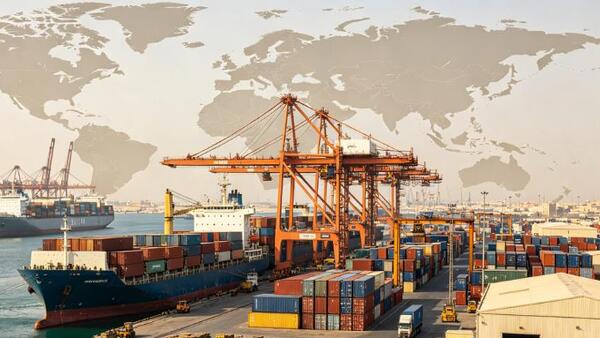
II. AC1 Service Positioning: Maersk’s New West Coast South America Express Service for 2026
AC1 is Maersk’s new dedicated weekly service between the Far East and the west coast of South America. It completed its maiden voyage on July 5, 2026, and is one of the carrier’s key services in the Latin American market.
The service deploys eight vessels with capacities ranging from 3,400 to 13,200 TEU. The full round-trip cycle is approximately 56 days. Its port rotation focuses on major regional gateways, with direct coverage, fewer transshipments, and stable transit times.
Full AC1 Port Rotation:
Ningbo → Busan → Lázaro Cárdenas, Mexico → Buenaventura, Colombia → Posorja, Ecuador → Ningbo
Core Role of the Three Ports
Lázaro Cárdenas, Mexico: A major modern container gateway on Mexico’s Pacific coast, serving Mexico City and the country’s central industrial region. It is an important entry point for industrial cargo and full-container-load shipments exported from China to Mexico.
Buenaventura, Colombia: Colombia’s largest port and a key gateway serving Bogotá. It handles imports and exports across the country, including coffee and industrial products.
Posorja, Ecuador: An emerging deep-water port with better draft conditions than the traditional Port of Guayaquil. It can accommodate large container vessels and helps avoid cargo restrictions and berthing delays associated with shallow-water ports.
As one of Ecuador’s main foreign trade gateways, Posorja handles exports of bananas, flowers, seafood, and other fresh and temperature-controlled cargo. It is an important gateway for South America’s perishable cargo trade.
Cargo Profiles Suited to Each Port
Lázaro Cárdenas primarily serves industrial products and full-container-load cargo bound for Mexico.
Buenaventura handles a broad range of Colombian imports and exports, including coffee and other agricultural products.
Posorja is particularly suited to Ecuadorian perishables and higher-value export cargo.
Freight forwarders can select the appropriate destination port and service based on the customer’s cargo type.
III. Why Were Sailings Cancelled Less Than One Month After Launch?
The temporary cancellation shortly after the service launch does not indicate an operational failure. It reflects routine capacity management in response to supply and demand conditions and competition on the West Coast South America trade.
The main reasons are as follows:
The New Service Is Still Building Cargo Volumes
1. The AC1 service has a 56-day round-trip cycle and deploys eight vessels, representing a relatively large amount of capacity.
During the early stage of a new service, cargo volumes, customer booking patterns, and shipping schedules may not yet be fully established.
Carriers may temporarily remove individual sailings to balance supply and demand and avoid excessive empty space or low vessel utilization. This is a common adjustment following the launch of a new service.
Competition on the West Coast South America Trade Is Intensifying
2. MSC, COSCO SHIPPING, Evergreen, and other major carriers continue to add capacity between the Far East and the west coast of South America, intensifying market competition.
Maersk also operates the AC1, AC2, and AC3 Latin America services in parallel. Under this multi-service arrangement, flexible space control, sailing reductions, and capacity reallocation on individual services are common operating measures.
Seasonal Cargo Volumes Decline in August
3. August falls during winter in the Southern Hemisphere, when agricultural harvesting and fresh food processing in South America enter the traditional low season.
Export volumes of agricultural products, perishables, and other regional commodities decline, creating an imbalance between eastbound and westbound cargo volumes.
Capacity on the Far East–West Coast South America trade has also continued to expand in recent years. Excess capacity becomes more apparent during the low season, leading carriers to temporarily reduce sailings to limit losses from empty slots and improve overall vessel utilization.
Seasonal Pattern on the West Coast South America Trade
June to September is generally the traditional low season, corresponding with winter in the Southern Hemisphere and weaker cargo volumes.
October to April of the following year is typically the peak shipping season, driven by perishables, agricultural exports, and year-end trade orders.
Major carriers adjust capacity and freight rates in line with these seasonal changes.
IV. Alternative Options for Freight Forwarders: Redirecting Cargo to AC2 and AC3
Maersk has stated that cargo affected by the cancelled AC1 sailings can be redirected to its AC2 and AC3 Latin America services.
The three services cover different markets. Freight forwarders must match the replacement service carefully with the destination port to avoid cargo misrouting and delays.
Service Comparison
AC1: Focuses on the three key west coast markets of Mexico, Colombia, and Ecuador. It provides direct regional coverage with limited transshipment and is suited to time-sensitive general cargo, perishables, and branded goods.
AC2: Focuses on Mexico and Central America, calling at ports including Manzanillo and Balboa. It mainly serves Mexican industrial cargo and cross-border e-commerce shipments and may provide shorter inland delivery times for certain destinations.
AC3: Provides broader coverage along the west coast of South America, including major ports in Peru and Chile. It offers the widest coverage and greater space availability and is suited to large-volume general cargo and cost-sensitive shipments.
Blank Sailing Explained
The cancellation announced by Maersk is a standard blank sailing arrangement used for short-term capacity management.
It does not represent a suspension of the service or a permanent reduction in sailing frequency.
During the initial operating period of a new service, carriers may temporarily remove individual sailings to address short-term imbalances between capacity and cargo demand.
Important Reminder: The port rotations, schedules, and transshipment arrangements of AC2 and AC3 differ from those of AC1. Freight forwarders must confirm destination coverage and routing details before transferring any booking.
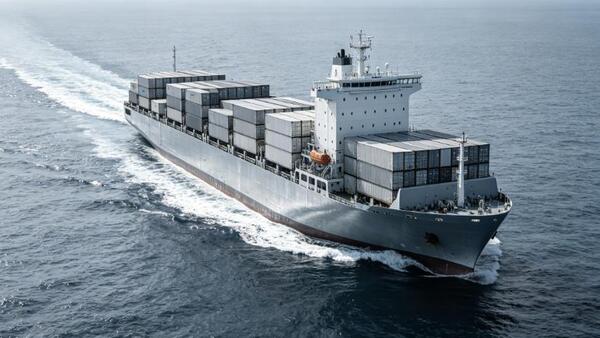
V. Operational Alerts and Recommended Actions for Freight Forwarders
Although this is a limited short-term sailing adjustment, it will directly affect West Coast South America cargo scheduled for August.
Freight forwarders should take the following actions:
Immediately Review Cargo Booked on the August 8 Ningbo Sailing
1. Freight forwarders should immediately identify all customer cargo originally booked on AC1 voyage 632E, scheduled to depart Ningbo on August 8.
Customers should be informed of the cancellation as soon as possible. Freight forwarders should then coordinate replacement arrangements, give priority to available space on AC2 or AC3, and secure an alternative sailing to avoid delays.
Account for Volatility During the AC1 Start-Up Period
2. Capacity deployment, cargo volumes, and sailing schedules remain subject to adjustment during the early operating stage of a new service.
Further minor sailing changes cannot be ruled out.
For cargo moving to the west coast of South America in the near term, freight forwarders should maintain alternative service options rather than relying solely on AC1.
Use Increased Carrier Competition to Improve Customer Quotations
3. Major carriers are adding services and capacity on the West Coast South America trade, resulting in greater space availability and more routing options.
Freight forwarders can compare the transit times, port coverage, and freight rates of AC1, AC2, and AC3 and prepare different shipping solutions for customers with different requirements.
This can help improve the competitiveness of quotations and customer retention.
VI. Industry Summary
The cancellation of the AC1 sailings is a routine low-season capacity adjustment rather than a service shutdown or a major operational risk.
However, the initial instability of the new service, stronger competition on the West Coast South America trade, and seasonal cargo fluctuations indicate that capacity and freight rates on Latin America routes may continue to fluctuate during the second half of the year.
For freight forwarders, reliance on a single service carries greater risk. Maintaining alternative service options, securing space in advance, and monitoring vessel schedules are essential to keeping customer shipments on schedule.
By combining Maersk’s AC1, AC2, and AC3 services with alternative capacity from MSC, COSCO SHIPPING, Evergreen, and other carriers, freight forwarders can develop diversified shipping solutions for the west coast of South America and reduce exposure to service changes and freight rate fluctuations during the second half of the year.
Recommended Tools: Schedule Plan | Route Services
Disclaimer: All information in this article is based on publicly available sources and is provided for industry reference only.
Last
Maiden Sailing on August 15: China's First Weekly China-Europe Arctic Container Service Set to Reshape Asia-Europe Ocean Transit Times
Introduction:The “Polar Silk Road” has reached a major milestone. Following last year’s successful trial voyage, a Chinese shippin
Next
Two Vessels Struck by Missiles in the Strait of Hormuz as Middle East Shipping Risks Surge and Oil Prices Soar
Introduction:Geopolitical tensions in the Middle East have escalated sharply once again, bringing the brief improvement in shippin

