






For global freight forwarders, mastering Breakbulk Chartering and its associated contract details is a cornerstone of delivering reliable, cost-effective services for oversized, overweight, or non-containerized cargo. This expertise differentiates forwarders in a competitive market and ensures seamless end-to-end breakbulk shipping operations.
What is Breakbulk Chartering, and Why Does It Matter for Forwarders?
Breakbulk Chartering refers to the process of leasing vessels (or vessel space) specifically designed to carry breakbulk cargo, tailored to the cargo’s unique dimensions, weight, and destination. It is critical for forwarders as it directly impacts cargo safety, cost efficiency, and delivery timelines.
Breakbulk cargo—including machinery, construction equipment, and industrial components—cannot fit into standard containers, making specialized shipping solutions a necessity. According to UNCTAD 2026 data, global breakbulk trade is projected to grow at an annual rate of 2.8% through 2030, driven by infrastructure development and renewable energy projects worldwide.
Forwarders should note that Breakbulk Chartering is not a one-size-fits-all process; it requires customization to align with each cargo’s unique requirements. Unlike container shipping, which follows standardized procedures, breakbulk chartering demands careful consideration of cargo compatibility, vessel capabilities, and regulatory compliance.
A common mistake is treating Breakbulk Chartering as a simple extension of container shipping practices. This oversight often leads to costly delays, cargo damage, or missed delivery windows, as forwarders fail to account for breakbulk’s unique challenges, such as weight distribution and weather sensitivity.
The recommended approach is to view Breakbulk Chartering as a specialized discipline, investing in expertise to navigate its complexities. By doing so, forwarders can meet client expectations, reduce operational risks, and capitalize on the growing demand for breakbulk services.
What Are the Main Types of Breakbulk Chartering Agreements for Forwarders?
The main types of Breakbulk Chartering agreements are voyage charters, time charters, and bareboat charters, each with distinct terms, responsibilities, and suitability for different forwarder needs. Understanding these types is key to matching client requirements with the right charter solution.
Voyage Charter (V/C): Flexible for One-Time Shipments
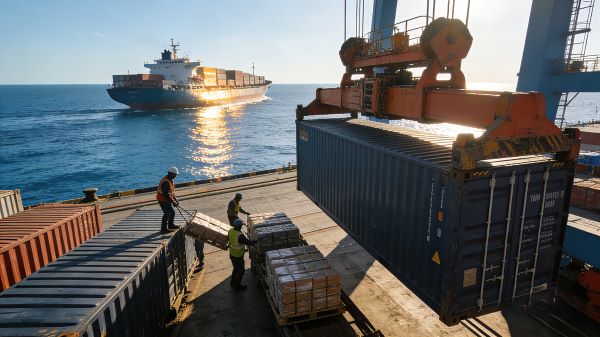
A voyage charter involves leasing a vessel for a specific voyage from the load port to the discharge port. The shipowner covers operational costs (fuel, crew, maintenance), while the forwarder (or charterer) bears cargo-related costs (loading, unloading, insurance). This type is often used by forwarders for one-time or irregular breakbulk shipments due to its flexibility in routes and timing.
The standard contract for voyage charters is BIMCO’s Gencon format, widely adopted in the breakbulk industry. Under voyage charter agreements, forwarders often negotiate loading and unloading terms using industry-standard Incoterms, such as FIO (Free In and Out) or Liner Terms, to clarify cost responsibilities.
Time Charter (T/C): Stability for Steady Volumes
A time charter allows forwarders to lease a vessel for a fixed period (e.g., months or years), giving them control over the vessel’s schedule and cargo booking. Forwarders cover fuel, port fees, and crew costs, while the shipowner is responsible for vessel maintenance.
This option is suitable for forwarders with steady breakbulk shipping volumes, as it provides long-term stability and cost predictability. The most commonly used contract for time charters is the NYPE format, which outlines key terms such as hire rate, payment schedule, and maintenance responsibilities.
Bareboat Charter: Full Control for Experienced Forwarders
A bareboat charter grants forwarders full control over the vessel, including crew management, maintenance, and operations. It is the most complex and high-risk option, typically adopted by large forwarders or NVOCCs with extensive maritime expertise and stable, high-volume breakbulk shipments.
Bareboat charters offer maximum flexibility but require significant resources to manage effectively, often using the Baltime contract format. Forwarders opting for bareboat charters must ensure compliance with all maritime regulations, including crew certification and vessel safety standards.
What Key Contract Clauses Should Forwarders Prioritize in Breakbulk Chartering?
Key contract clauses in Breakbulk Chartering are the foundation of a successful shipment, as they clarify responsibilities, mitigate risks, and prevent disputes between forwarders, shipowners, and other stakeholders. Prioritizing these clauses ensures transparency and accountability throughout the shipping process.
Forwarders should note that poorly negotiated charter party (C/P) agreements are a leading cause of breakbulk logistics disputes, often resulting in unexpected costs and delays. According to industry experts, over 42% of breakbulk shipping disputes stem from ambiguous or incomplete contract clauses, highlighting the importance of careful negotiation.
Laytime, Demurrage, and Dispatch Money: Managing Port Time Costs
Laytime and Demurrage: Laytime refers to the time allocated for loading and unloading cargo, while demurrage is the penalty for exceeding this time. Forwarders must negotiate clear laytime terms, accounting for cargo complexity and port efficiency, to avoid excessive demurrage costs. It is also important to clarify how laytime is calculated (e.g., weather working days) to prevent misunderstandings.
Dispatch Money: Dispatch money is a reward paid to the shipowner if loading or unloading is completed ahead of the agreed laytime. Negotiating fair dispatch terms can incentivize efficient port operations and reduce overall shipping time, benefiting both forwarders and their clients.
Liability, Insurance, and Risk Mitigation Clauses
Cargo Liability and Insurance: This clause defines responsibility for cargo damage, loss, or delay during transit. Forwarders should ensure the clause clearly outlines the shipowner’s liability limits and requires adequate cargo insurance coverage. Additionally, forwarders should verify that the shipowner holds valid insurance policies that comply with IMO regulations, including P&I (Protection and Indemnity) coverage.
Route and Operational Flexibility Clauses
Deviation Clause: A deviation clause regulates changes to the agreed route, specifying when and how deviations are permitted (e.g., for safety reasons). Forwarders should ensure the clause limits unauthorized deviations, which can cause delays and additional costs, especially amid ongoing Middle East tensions affecting traditional shipping routes.
Force Majeure: This clause protects both parties in the event of unforeseen circumstances (e.g., natural disasters, geopolitical conflicts) that prevent fulfillment of the charter agreement. Forwarders should ensure the clause clearly defines what constitutes a force majeure event and outlines the steps to be taken if such an event occurs.
The recommended approach is to work with reputable shipowners and breakbulk-specialized charter brokers when negotiating these clauses. These professionals can provide insights into market standards, vessel availability, and regulatory requirements, helping forwarders avoid common pitfalls and secure favorable terms.
How Can Forwarders Avoid Common Mistakes in Breakbulk Chartering Practices?
Avoiding common mistakes in Breakbulk Chartering requires proactive planning, attention to detail, and a deep understanding of cargo and vessel requirements. These mistakes often stem from rushed decision-making or a lack of specialized knowledge.
Mistake 1: Prioritizing Cost Over Cargo Compatibility
A common mistake is selecting a vessel based solely on cost, rather than cargo compatibility. For example, using a multi-purpose vessel (MPV) to transport overweight cargo may result in insufficient crane capacity, leading to cargo damage or delays. According to Drewry 2026 data (as of May), inappropriate vessel selection is responsible for 31% of breakbulk cargo damage incidents, an increase of 3 percentage points from 2025.
Mistake 2: Overlooking Vessel Age and Maintenance
Forwarders should note that vessel age and maintenance records also play a critical role in shipping reliability. According to UNCTAD 2026 data, vessels over 20 years old account for 17% of the global breakbulk fleet but 34% of voyage delays caused by mechanical issues. Overlooking these factors can lead to costly disruptions, especially as fuel costs and maintenance expenses rise.
Proactive Steps to Avoid Mistakes
Conduct a Detailed Cargo Assessment: Before selecting a vessel, forwarders should conduct a thorough assessment of the cargo’s weight, dimensions, fragility, and loading/unloading requirements. This assessment helps identify the most suitable vessel type and ensures compatibility with the vessel’s capabilities, including crane capacity and deck strength.
Evaluate Route and Port Capabilities: Forwarders should research route characteristics, including port infrastructure, draft restrictions, and weather conditions, to ensure the selected vessel can navigate the route without issues. For example, some ports have limited heavy-lift capabilities, requiring forwarders to arrange for floating cranes or alternative ports.
Review Vessel Safety and Compliance Records: Forwarders should thoroughly review the vessel’s safety record, certification, and compliance with IMO regulations (e.g., SOLAS, MARPOL). This includes verifying that the vessel has passed all required inspections and has a history of safe operations, using resources such as the IMO’s Global Integrated Shipping Information System (GISIS).
Negotiate Clear Communication Protocols: Establishing clear communication protocols with the shipowner, port operators, and other stakeholders ensures that any issues or changes are communicated promptly. This helps prevent misunderstandings and allows for quick resolution of problems that may arise during transit.
The recommended approach is to develop a standardized Breakbulk Chartering checklist that covers cargo assessment, vessel selection, contract negotiation, and compliance. This checklist helps forwarders maintain consistency and avoid oversight in their operations.
How Can Forwarders Optimize Cost and Efficiency in Breakbulk Chartering?
Optimizing cost and efficiency in Breakbulk Chartering involves strategic planning, market awareness, and collaboration with reliable partners. Forwarders can achieve this by leveraging market data, negotiating favorable terms, and adopting efficient operational practices.
Current Market Trends Impacting Costs
According to Freightos Baltic Index (FBX) 2026 data (as of May), breakbulk freight rates have increased by 12% over the past year, driven by rising bunker fuel costs, increased demand for specialized vessels, and route disruptions in the Middle East. This makes cost management more important than ever for forwarders looking to maintain profitability.
Additionally, Drewry’s 2026 Breakbulk Market Report notes that peak season surcharges (PSS) and emergency fuel surcharges (EFS) have become more prevalent, with some carriers implementing general rate increases (GRI) of up to $2,000 per FEU since mid-May 2026.
Key Strategies for Cost and Efficiency Optimization
Forwarders should note that efficiency in Breakbulk Chartering is not just about reducing costs—it also involves minimizing delays, improving cargo safety, and enhancing client satisfaction. By optimizing these factors, forwarders can build long-term client relationships and gain a competitive edge.
Leverage Market Data for Rate Negotiation: Staying informed about market trends and rates using sources like Drewry and FBX allows forwarders to negotiate competitive charter rates. Forwarders can also consider long-term charter agreements for steady shipment volumes, which often come with more favorable rates and reduced exposure to market volatility.
Optimize Vessel Utilization: For forwarders with regular breakbulk shipments, combining multiple cargoes on a single vessel (consolidation) can improve vessel utilization and reduce per-unit costs. This approach is often used with multi-purpose vessels, which can carry a mix of breakbulk, container, and bulk cargo, maximizing revenue per voyage.
Adopt Digital Tools: Real-time tracking systems and predictive analytics tools can help forwarders monitor vessel and cargo status, identify potential delays, and make informed decisions. These tools also improve communication with clients, providing transparency throughout the shipping process and reducing administrative overhead.
Build Strong Partnerships: Collaborating with reliable shipowners, port operators, and charter brokers can lead to better terms, faster operations, and reduced risks. Strong partnerships also provide forwarders with access to specialized expertise and resources, such as alternative vessels or ports in case of disruptions.
A common mistake is underestimating the total cost of Breakbulk Chartering, which includes not just vessel rental fees but also port handling, insurance, and inland transportation costs. The recommended approach is to conduct a detailed cost analysis before finalizing a charter agreement, ensuring that all expenses are accounted for and budgeted accordingly.
How Can Forwarders Ensure Compliance in Breakbulk Chartering?
Compliance in Breakbulk Chartering involves adhering to international maritime regulations, local port requirements, and client-specific standards. Failure to comply can result in fines, delays, and damage to a forwarder’s reputation.
Forwarders should note that compliance requirements vary by region, cargo type, and vessel type. For example, dangerous breakbulk cargo must comply with the IMDG Code, while oversized cargo may require special permits in certain countries. Staying updated on regulatory changes is essential for maintaining compliance.
Stay Updated on International Regulations: Forwarders should regularly review updates to IMO regulations (e.g., SOLAS, MARPOL) and ensure that all chartered vessels comply with these standards. This includes verifying that vessels have the necessary certifications and meet safety and environmental requirements, such as ballast water management compliance.
Comply with Local Port Requirements: Different ports have unique requirements for breakbulk cargo, such as inspection procedures, documentation, and equipment restrictions. Forwarders should research these requirements in advance and work with local agents to ensure compliance, including adherence to port-specific loading/unloading terms (e.g., FIOST).
Ensure Proper Documentation: Accurate and complete documentation is critical for compliance in Breakbulk Chartering. This includes bills of lading, commercial invoices, packing lists, certificates of origin, and any necessary permits (e.g., for oversized or dangerous cargo). Forwarders should verify that all documentation is in line with regulatory and client requirements.
Work with Compliant Partners: Forwarders should only work with shipowners, port operators, and other partners that have a proven track record of compliance. This includes verifying their certifications, safety records, and adherence to regulatory standards, such as ISO 9001 for quality management and ISM Code for maritime safety.
The recommended approach is to establish a dedicated compliance team or designate a compliance officer to oversee Breakbulk Chartering operations. This team can monitor regulatory changes, review documentation, and ensure that all processes are in line with compliance requirements.
What Role Does Breakbulk Chartering Play in Forwarders’ Long-Term Success?
Breakbulk Chartering is a critical component of forwarders’ long-term success, as it allows them to serve high-value clients in industries such as energy, construction, and manufacturing. Mastering Breakbulk Chartering practices enables forwarders to differentiate themselves and capitalize on growing market demand.
Market Growth and Opportunity for Forwarders
According to UNCTAD 2026 data, the global breakbulk market is expected to expand significantly in the coming years, with a projected compound annual growth rate (CAGR) of 2.8% through 2030. This growth is driven by infrastructure development in emerging markets and the global transition to renewable energy, which requires specialized shipping for wind turbine components and solar equipment.
Strategic Investment in Breakbulk Chartering Expertise
Forwarders should note that Breakbulk Chartering is not just a transactional process—it is a strategic capability that requires ongoing investment in expertise, technology, and partnerships. By prioritizing customization, compliance, and efficiency, forwarders can build a reputation for reliability and attract long-term clients.
The recommended approach is to view Breakbulk Chartering as a core competency, investing in training for staff, adopting digital tools, and building strong relationships with industry partners. This investment will pay off in the form of improved operational efficiency, reduced risks, and increased profitability.
In conclusion, mastering the details and practices of Breakbulk Chartering is essential for forwarders looking to advance their businesses and meet the evolving needs of their clients. By understanding the different charter types, prioritizing key contract clauses, avoiding common mistakes, optimizing cost and efficiency, and ensuring compliance, forwarders can deliver exceptional breakbulk shipping services. As the global breakbulk market continues to grow, Breakbulk Chartering will remain a critical skill for forwarders seeking long-term success in the international freight industry.
Last
Breaking Barriers: How One-Stop Sea-Rail Solutions Reduce Costs and Increase Efficiency
In the complex landscape of global freight forwarding, Sea-Rail Intermodal has emerged as a transformative solution to address the

Next
Essential Reading: A Global Guide to Deep-Water Ports and Vessel Restrictions
In the complex landscape of international freight forwarding, Global Port Depth/Berthing is a critical factor that directly influe

