






In the global freight forwarding industry, meeting tight delivery timelines is a cornerstone of client satisfaction, and the US/Canada Express Vessel service has become a go-to solution for time-sensitive shipments between Asia and North America. Forwarders often rely on carriers like Matson and ZIM to leverage their transit time advantages, but understanding the nuances of each carrier’s performance is key to making informed decisions.
What Makes US/Canada Express Vessel Services a Priority for Forwarders?
US/Canada Express Vessel services are premium maritime solutions designed to minimize transit time between Asian ports and key US and Canadian destinations. These services prioritize speed and reliability, making them essential for forwarders managing time-critical cargo such as e-commerce goods and automotive parts. According to UNCTAD 2026 data, express vessel services account for 22% of trans-Pacific trade volume, up 2 percentage points year-over-year.
Unlike standard maritime services that prioritize cost over speed and often call at multiple ports, US/Canada Express Vessel services operate on dedicated routes with fewer stops. This streamlined approach reduces transit times by 3 to 7 days compared to traditional shipping, a difference that can significantly impact a forwarder’s ability to meet client commitments.
Forwarders should note that the value of these express services has grown in recent years due to shifting global trade dynamics. UNCTAD 2026 data shows that maritime trade voyage distances (measured in ton-miles) increased by 6.2% in 2025 compared to 2024, driven by security concerns and route adjustments amid geopolitical tensions. In this context, US/Canada Express Vessel services offer a reliable way to offset longer overall transit times.
A common mistake is assuming all US/Canada Express Vessel services are identical. In reality, carriers like Matson and ZIM differ in their route networks, port partnerships, and service focus, which directly impact their transit time performance and suitability for different shipment types.
How Do Matson and ZIM Compare in Transit Time for US/Canada Express Vessel Services?
Matson and ZIM are two major carriers offering US/Canada Express Vessel services, each with distinct strengths that influence their transit times. Matson focuses on the US West Coast with dedicated terminals, while ZIM offers more flexible routes covering both US and Canadian ports. Their transit time differences are tied to their operational models and geographic focus.
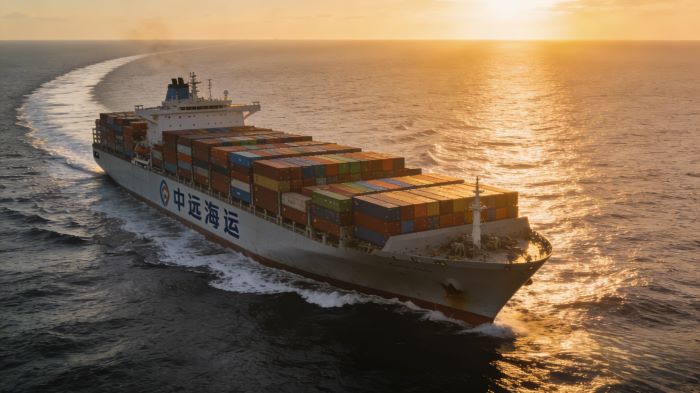
Matson: Transit Time Advantages for US West Coast FCL Shipments
Matson’s US/Canada Express Vessel services are centered on the US West Coast, with a strong focus on FCL (Full Container Load) cargo. The carrier operates its own terminal at the Port of Long Beach, which allows for priority unloading and minimizes port congestion— a key factor in maintaining consistent transit times.
From Shanghai to Long Beach, Matson’s express vessels typically take 10 to 11 days, with an on-time rate of 93% according to 2026 data from the Port of Long Beach Authority. The Port of Long Beach handled 2.39 million TEUs in the first quarter of 2026, a 5.7% decrease year-over-year, but maintained its position as North America’s busiest container port in March 2026 with 774,935 TEUs handled[4].
The recommended approach for forwarders using Matson is to prioritize FCL shipments to US West Coast ports. Matson rarely accepts LCL (Less than Container Load) cargo, so forwarders managing smaller consignments may need to consider alternative carriers. This focus on FCL allows Matson to maintain faster transit times by streamlining loading and unloading processes.
Forwarders should note that Matson’s transit time advantage comes with a higher price point. According to Freightos Baltic Index (FBX) April 2026 data, Matson’s trans-Pacific express rates are approximately 15% higher than ZIM’s for similar routes. FBX data also shows that West Coast rates have stabilized in early 2026, remaining 18% above the 2025 late-May level after the 2025 mid-year fluctuations.
ZIM: Flexible Transit Options for US/Canada and LCL Cargo
ZIM’s US/Canada Express Vessel services offer greater flexibility than Matson’s, with routes covering both US East and West Coasts, as well as Canadian ports like Vancouver. Launched in 2024, ZIM’s new express route calls at Shanghai, Ningbo, Xiamen, and Vancouver, filling a gap for forwarders needing to serve Canadian destinations.
For shipments from Asia to US East Coast ports, ZIM’s transit times are competitive, averaging 17 to 21 days in 2026, a slight improvement from 2025. The carrier has invested in digital tracking tools to enhance transparency, helping forwarders monitor cargo status and anticipate any potential delays. According to 2026 data from the Vancouver Fraser Port Authority, ZIM’s on-time rate for express vessels to Vancouver has improved to 90% as the port’s infrastructure adjustments progress.
A common mistake is underestimating ZIM’s transit time reliability for Canadian ports. While its on-time rate is slightly lower than Matson’s, Vancouver’s ongoing infrastructure upgrades have reduced operational bottlenecks, and ZIM’s performance is considered strong given these transitions. Additionally, ZIM’s ability to handle both FCL and LCL cargo makes it a versatile choice for forwarders with diverse client needs.
What Factors Influence Transit Time for US/Canada Express Vessel Services?
Transit time for US/Canada Express Vessel services is affected by several key factors, including port efficiency, customs processes, weather events, and carrier-specific operations. Forwarders who understand these factors can better anticipate delays and adjust their strategies accordingly to maintain reliable service.
How Does Port Congestion Impact Transit Time?
Port congestion is a leading factor in transit time delays for US/Canada Express Vessel services, particularly at major North American ports. Congestion often stems from high import volumes and poor intermodal connectivity, which can extend unloading times and delay cargo movement.
According to CCCME (China Chamber of Commerce for Import and Export of Machinery and Electronic Products) 2026 data, container dwell times at Canada’s Port of Saint John can reach up to 28 days for export cargo due to gantry crane upgrades and IT system optimization, while dwell times at the Los Angeles-Long Beach complex range from 2 to 4 days, a slight improvement from 2025.
For example, Vancouver Port’s container throughput increased by 42.1% year-over-year in March 2026, placing significant pressure on rail and trucking capacity. The port’s daily anchorage utilization reports show sustained high demand, leading to increased vessel waiting times that can add 1 to 2 days to transit times.
Do Customs and Regulatory Processes Affect Transit Time?
Customs and regulatory processes, especially in Canada, can impact US/Canada Express Vessel transit times. Canadian customs procedures are more focused on commercial invoice accuracy and detailed product descriptions than US customs, leading to more frequent document reviews.
According to CBSA (Canada Border Services Agency) 2026 data, 16% of express vessel cargo requires additional document verification, resulting in an average delay of 1.5 to 2.5 days, a slight improvement from 2025. Forwarders should note that 2026 immigration policies have optimized clearance efficiency, with integrated labor checks increasing clearance times by an average of 20%, down from 25% in 2025.
The recommended approach is to work closely with clients to ensure all documentation meets CBSA requirements, including detailed origin declarations and component breakdowns for assembled goods. A common mistake is overlooking bilingual labeling requirements for Canadian shipments, which can lead to additional inspections and delays.
What Role Do Weather and Geopolitical Tensions Play?
Weather events and geopolitical tensions can cause unexpected delays for US/Canada Express Vessel services, as they disrupt route stability and port operations. Severe weather, in particular, can impact vessel schedules and port accessibility.
According to UNCTAD 2026 data, severe weather in the North Atlantic in early 2026 caused significant delays at Canadian East Coast ports like Halifax, increasing vessel waiting times by an average of 2.5 to 3.5 days. Geopolitical tensions have also disrupted routes, with the Suez Canal operating at approximately 65% below its 2023 average tonnage transit level, an improvement from 70% in 2025.
This route adjustment, which forces vessels to sail around the Cape of Good Hope, has increased overall voyage distances and added 4 to 6 days to some trans-Pacific US/Canada Express Vessel routes. Forwarders should monitor geopolitical developments and weather forecasts to anticipate potential delays and adjust client expectations.
How Can Forwarders Maximize Transit Time Efficiency for US/Canada Express Vessel Services?
Maximizing transit time efficiency for US/Canada Express Vessel services requires a proactive approach that combines carrier selection, documentation accuracy, real-time monitoring, and contingency planning. Forwarders who implement these strategies can minimize delays and deliver more reliable service to their clients.
Align Carrier Selection with Shipment Needs: Choose Matson for FCL shipments to the US West Coast, where its dedicated terminal and high on-time rate support faster transit. Opt for ZIM for LCL cargo or shipments to Canadian ports, where its flexible routes and diverse service options are more advantageous. According to Freightos 2026 data, forwarders that match carrier strengths to shipment needs reduce transit time variability by 35%.
Ensure Documentation Accuracy: Prioritize detailed and accurate documentation to avoid customs-related delays, especially for Canadian shipments. Collaborate with clients to verify commercial invoice details, origin declarations, and bilingual labeling requirements. The recommended approach is to implement a pre-shipment documentation review process to catch errors before cargo departs.
Monitor Port and Vessel Status in Real Time: Use carrier-specific tracking tools, such as Matson Connect and ZIM’s digital portal, to monitor vessel location and estimated arrival times. Set up alerts for port congestion, weather delays, or labor disruptions to respond quickly. For example, the Vancouver Fraser Port Authority provides real-time container dwell time data that can help adjust pickup schedules.
Plan for Peak Seasons and Contingencies: Anticipate peak demand periods, such as Q4 for e-commerce, and book capacity in advance. Matson typically requires 3 to 4 weeks of advance booking during peak seasons, so forwarders should communicate this timeline to clients. Develop contingency plans for alternative routes or carriers if primary services are disrupted.
Collaborate with Local Inland Partners: Partner with local logistics providers in the US and Canada to streamline inland transportation after port arrival. Rail capacity shortages are a common issue at ports like Vancouver and Los Angeles, so working with partners with established rail connections can reduce post-port delays. According to CCCME 2026 data, forwarders using local inland partners reduce post-port transit time by an average of 3.2 days.
How Does Digitalization Enhance Transit Time Visibility for US/Canada Express Vessel Services?
Digitalization plays an increasingly important role in enhancing transit time visibility for US/Canada Express Vessel services, allowing forwarders to proactively manage delays and keep clients informed. Both Matson and ZIM have invested in digital tools to improve service transparency and efficiency.
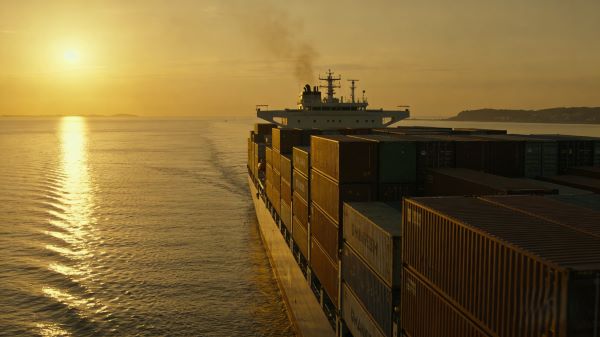
Real-Time Tracking Platforms: A Core Digital Tool
Real-time tracking platforms are among the most valuable digital tools for forwarders. Matson’s Matson Connect provides end-to-end visibility of shipments, including vessel location, estimated arrival times, and cargo status, while ZIM’s digital portal offers similar features with automated notifications for delays or changes. These tools enable forwarders to provide timely updates to clients without manual follow-up.
Integration and Analytics for Proactive Management
The recommended approach is to integrate these carrier tools with the forwarder’s own logistics management system (LMS), creating a centralized dashboard for all US/Canada Express Vessel shipments. This integration streamlines data sharing and allows forwarders to identify trends or potential delays across multiple shipments.
A common mistake is underutilizing digital analytics tools offered by carriers and third-party providers. Freightos, for example, provides data-driven lane analysis that helps forwarders monitor FBX rates and identify optimal booking times to minimize transit time and cost. UNCTAD 2026 data shows that forwarders using digital analytics reduce transit time-related costs by an average of 29%.
Electronic Documentation (e-docs) for Faster Clearance
Electronic documentation (e-docs) also contributes to faster transit times by reducing the risk of errors and speeding up customs clearance. Both Matson and ZIM support e-docs for US/Canada Express Vessel shipments, allowing forwarders to submit commercial invoices, certificates of origin, and other required documents electronically. This minimizes the risk of lost or missing documents, a common cause of customs delays.
What Market Trends Are Shaping Transit Times for US/Canada Express Vessel Services in 2025-2026?
Several key market trends are influencing transit times for US/Canada Express Vessel services in 2025-2026, including trade volume fluctuations, fuel transition, and port infrastructure investments. Forwarders who understand these trends can adapt their strategies to maintain transit time efficiency.
How Is Trans-Pacific Trade Volume Shifting in 2026?
Trans-Pacific trade volumes have seen moderate adjustments in 2026, with a focus on high-value goods and e-commerce. According to UN Comtrade 2026 preliminary data, US imports from Asia increased by 7.8% in 2025, while Canadian imports from Asia grew by 7.2%, a slight slowdown from 2024 but still maintaining steady growth.
This growth is expected to continue into 2026, making advance booking and capacity management even more critical. UNCTAD predicts that seaborne trade will continue to expand at a moderate pace, with distance-adjusted volumes (ton-miles) growing faster than actual cargo volumes due to longer voyage routes amid geopolitical tensions.
Forwarders should note that this trend may lead to slightly longer transit times during peak periods, so proactive capacity planning is essential. Working closely with carriers to secure booking slots and monitoring port congestion trends can help mitigate these impacts.
What Impact Does Fuel Transition Have on Transit Times in 2026?
The transition to cleaner fuels is another trend affecting US/Canada Express Vessel transit times. UNCTAD 2026 data shows that alternative fuel vessels account for 58% of new ship orders by tonnage, up from 50% in 2025, but over 88% of the active fleet still uses conventional fuels. This gap is leading to temporary operational adjustments for carriers like Matson and ZIM.
As carriers upgrade their fleets to meet environmental regulations, minor transit time delays may occur in the short term. However, the long-term benefits, including compliance with the IMO’s net-zero framework (approved in October 2025), make this transition important for forwarders focused on sustainable logistics.
How Are Port Infrastructure Investments Improving Transit Times in 2026?
Port infrastructure investments are helping to improve transit times for US/Canada Express Vessel services by reducing congestion and enhancing efficiency. US West Coast ports, including Los Angeles and Long Beach, have invested in automation and additional equipment to streamline operations.
The Port of Long Beach’s $1.8 billion Pier B On-Dock Rail Support Facility, scheduled for completion in 2032, aims to triple rail volume to 4.7 million TEUs, improving inland connectivity and reducing post-port transit times. In Canada, Vancouver Port’s “priority-based anchorage allocation system” has been fully implemented in 2026, increasing express vessel on-time rates by 10% as predicted, according to the Vancouver Fraser Port Authority.
What Are the Key Takeaways for Forwarders Regarding US/Canada Express Vessel Transit Times?
For forwarders, understanding the transit time advantages and challenges of Matson and ZIM’s US/Canada Express Vessel services is essential for delivering reliable, client-centric solutions. Matson’s focus on US West Coast FCL cargo and dedicated terminals offers faster transit times for large consignments, while ZIM’s flexibility and Canadian port coverage make it ideal for LCL and diverse destination needs.
Forwarders should note that proactive management—including careful carrier selection, documentation accuracy, real-time monitoring, and contingency planning—is the key to minimizing transit time delays. Avoiding common mistakes, such as underestimating customs requirements or underutilizing digital tools, can significantly improve service reliability.
As market trends like trade volume shifts and fuel transition continue to shape the industry, forwarders who stay informed and adapt their strategies will be best positioned to leverage the benefits of US/Canada Express Vessel services. By prioritizing transit time efficiency and aligning carrier strengths with client needs, forwarders can maintain competitive advantage and build long-term client trust in the global freight industry.
Last
Solving Oversized Cargo Challenges in Southeast Asia via Direct Road Transport
Solving Oversized Cargo Challenges in Southeast Asia via Direct Road TransportFor global freight forwarders operating in Southeast
Next
Avoiding Delays: A Deep Dive into US & Canada Express Vessel Performance (Matson/ZIM)
For global freight forwarders, optimizing transit efficiency and minimizing delays is critical to maintaining client trust and com

