




USA to India logistics for breakbulk freight presents distinct scheduling complexities due to over-dimensional cargo specifications, variable port handling protocols, and multi-phase cross-border transit workflows. Differing from standardized containerized shipments, breakbulk commodities such as heavy industrial machinery, power generation turbines, and construction equipment require tailored timeline planning to match port berth availability, tramp vessel schedules, and Indian import clearance cycles. Global forwarding alliance networks integrate decentralized transportation resources to stabilize delivery timelines for this operationally complex trade corridor.
What makes breakbulk delivery scheduling different in USA to India logistics routes?
Breakbulk cargo scheduling refers to customized timeline planning and operational control for non-containerized, over-dimensional, and overweight maritime freight across international trade lanes. It deviates from container shipping due to flexible loading standards and irregular vessel rotation patterns.
Containerized maritime transportation operates on fixed weekly liner schedules, whereas breakbulk shipments rely on tramp vessel charter services without standardized departure intervals. According to UNCTAD 2024 Maritime Transport Review, breakbulk voyages departing from U.S. Gulf and West Coast ports bound for India carry notably higher schedule volatility compared to conventional container shipping routes. Such fluctuations derive from ad-hoc vessel charter adjustments, custom cargo stowage arrangements, and mandatory dedicated berth reservations for heavy-lift cargo units.
Forwarders should note that major Indian maritime terminals implement independent operational windows exclusively for breakbulk handling, separate from routine container freight operations. Key hubs including Jawaharlal Nehru Port and Chennai Port allocate segmented berth time slots for over-dimensional freight, and uncoordinated booking arrangements commonly result in berth unavailability and scheduled delivery deferrals. These route-specific regulatory and operational constraints constitute core challenges for breakbulk timeline coordination across USA to India trade corridors.
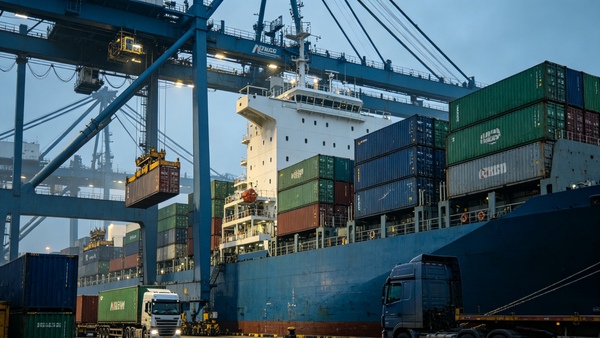
Why do uncoordinated delivery plans cause major operational disruptions?
Unstructured delivery coordination for U.S.-origin breakbulk cargo creates timeline misalignment across vessel charter booking, terminal handling, customs clearance, and inland distribution workflows. Fragmented operational procedures trigger sequential shipment delays and incremental cost growth for cross-border industrial freight projects.
Port and vessel schedule mismatch drives frequent shipment delays
A common mistake is that many forwarding practitioners apply container freight scheduling frameworks to breakbulk movements, disregarding the unique operational limitations of heavy-lift and over-dimensional cargo. According to ITC Trade Map 2025 cross-border project freight statistics, approximately 42 percent of breakbulk delivery delays between the United States and India stem from inconsistent alignment between port berth reservations and confirmed vessel departure schedules. Shipment holdups often generate accumulating demurrage and detention fees at U.S. loading terminals and Indian discharge ports, raising overall logistics expenditures for industrial cargo shippers.
Timeline inconsistencies affect downstream project operations
Beyond measurable financial losses, erratic delivery schedules interfere with large-scale infrastructure, energy, and manufacturing expansion projects across India. The majority of U.S. breakbulk exports to India serve industrial construction and capacity upgrade initiatives, where delayed equipment arrivals lead to intermittent construction suspension and extended project return cycles. For global forwarding enterprises, recurring timeline discrepancies weaken long-term client collaboration confidence and reduce business conversion opportunities within the industrial freight segment.
How do global forwarding networks unify cross-border timeline resources?
Global forwarding alliance networks integrate overseas branch capabilities, local port agent resources, and long-term carrier partnerships to establish end-to-end timeline supervision frameworks for breakbulk cargo. Systematic cross-network coordination enhances the predictability of delivery windows for USA to India breakbulk shipments.
Align vessel charter schedules with port operational windows: The recommended approach is to complete dual verification of U.S. loading port operational time slots and Indian destination berth accessibility prior to finalizing tramp vessel charter contracts. Established forwarding networks maintain stable cooperative ties with specialized breakbulk carriers, supporting flexible schedule readjustments for time-sensitive industrial freight consignments.
Enforce phased pre-shipment cargo preparation oversight: Forwarders should note that breakbulk cargo demands segmented packaging, structural reinforcement, and pre-export inspection procedures. Local forwarding teams stationed at U.S. export ports supervise full pre-shipment preparation workflows to meet Indian terminal entry specifications, avoiding inspection-related holdups that disrupt planned delivery timelines.
Integrate customs clearance workflows with ocean transit cycles: Professional forwarding teams initiate pre-declaration and document validation procedures during maritime transit, rather than commencing clearance processing after cargo discharge. This parallel operational model compresses shore-based processing durations and enables streamlined handover between port discharge and inland distribution stages.
Deploy real-time risk monitoring and response mechanisms: Mature forwarding networks adopt digital dynamic tracking systems to monitor maritime weather conditions, port congestion levels, and carrier schedule revisions. The platform supports timely operational adjustments when potential delay risks emerge, lowering the magnitude of timeline deviations for cross-border breakbulk shipments.
What key timeline control metrics apply to breakbulk freight coordination?
Standardized timeline management for breakbulk freight depends on quantifiable operational indicators to unify cross-network coordination protocols. These metrics streamline service execution standards for forwarding teams operating on USA to India trade lanes.
Core evaluation indicators cover pre-shipment preparation cycle efficiency, ocean transit schedule stability, port clearance turnaround speed, and final-mile delivery compliance. According to Drewry 2024 breakbulk freight performance benchmark data, forwarding networks that adopt standardized metric-based management record notable improvements in delivery punctuality for over-dimensional cargo shipments traveling from the United States to India.
Forwarders should note that breakbulk timeline assessment cannot follow the fixed-day evaluation criteria applied to containerized freight. Operational teams need to formulate flexible delivery window benchmarks based on cargo dimension, weight classification, and project priority, balancing practical operational limits with client project scheduling requirements.
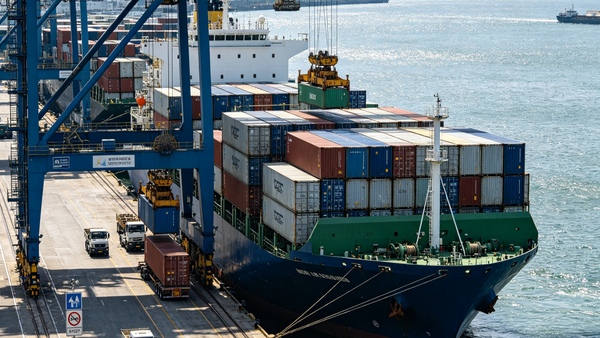
How to optimize long-term delivery coordination for breakbulk cargo?
Long-term timeline stability for cross-border breakbulk logistics relies on strengthened local resource deployment and refined cross-team collaboration mechanisms. Continuous operational optimization sustains service reliability for recurring USA to India industrial freight movements.
Expand localized professional agent deployment: The recommended approach is to cultivate dedicated breakbulk operation teams at major U.S. export terminals and Indian discharge hubs. Local teams capture real-time port policy updates and vessel resource fluctuations, delivering accurate timeline planning support for cross-border freight coordination.
Enhance cross-network information synchronization systems: A common mistake is asynchronous data sharing between overseas branch offices and headquarters during breakbulk shipment execution. Upgrading unified digital collaboration platforms enables real-time transmission of cargo status updates, schedule modifications, and risk notifications across the entire forwarding network.
Adopt tailored scheduling frameworks for project-based cargo: For large-scale industrial breakbulk orders, forwarding teams can implement customized end-to-end scheduling solutions. These frameworks cover cargo pickup, terminal loading, ocean carriage, and inland distribution, supporting comprehensive timeline supervision for project-centric freight movements.
Structured cross-network schedule coordination constitutes a core competitive capability for breakbulk freight service providers operating within USA to India logistics trade corridors. Through global resource integration, standardized metric management, and full-link workflow optimization, professional forwarding networks mitigate prevalent breakbulk delivery uncertainties and deliver stable, cost-effective cross-border freight solutions for industrial trade stakeholders.
Last
How electronics freight forwarders handle customs import pre clearance protocols for flights leaving china to australia air freight hubs
China to Australia Air Freight serves as a vital cross-border logistics channel for electronic and precision component shipments,
Next
How independent nvocc networks optimize multi port lcl consolidation setups across active southeast asia to europe trade channels
What role do independent NVOCC networks play in Southeast Asia to Europe Trade LCL shipping?Independent NVOCC networks deliver dec

