




What role do independent NVOCC networks play in Southeast Asia to Europe Trade LCL shipping?
Independent NVOCC networks deliver decentralized multi-port consolidation capabilities to streamline less-than-container load operations within Southeast Asia to Europe Trade shipping corridors. These specialized logistics networks fill operational gaps left by conventional liner carriers for fragmented cross-border cargo volumes.
LCL shipping supports small-batch and high-frequency order cycles between Southeast Asian manufacturing bases and European consumer markets. According to UNCTAD 2025 maritime freight reports, regional LCL throughput on Asia-Europe lanes maintains steady expansion, as cross-border procurement models shift toward flexible low-volume replenishment in recent years.
Traditional liner carriers prioritize full-container-load contracts and large-scale cargo partnerships, with limited flexible solutions for scattered multi-port LCL shipments. Independent NVOCC operators build localized consolidation hubs across key Southeast Asian gateways, including Ho Chi Minh, Bangkok, Jakarta, and Penang, enabling centralized cargo sorting and unified outbound scheduling arrangements.
Forwarders should note that mature NVOCC network resources mitigate common fragmentation risks in LCL logistics. Reliance on isolated single-port booking channels tends to create variable transit schedules and inconsistent customs clearance performance for cargo originating from multiple locations.
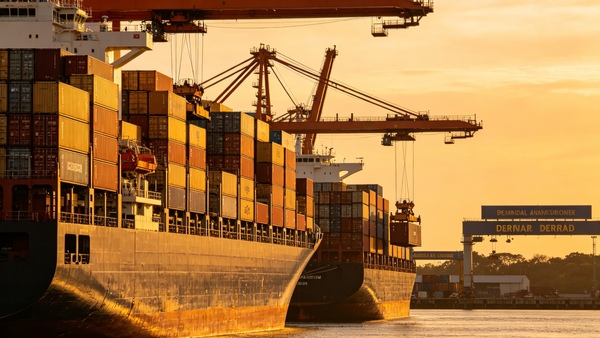
Why multi-port LCL consolidation requires specialized NVOCC network support?
Multi-port LCL consolidation unifies scattered cargo originating from different Southeast Asian ports for consolidated container loading and scheduled delivery to European terminals, requiring standardized cross-terminal operational coordination. This sophisticated logistics model cannot be fully covered by conventional single-port shipping workflows.
Southeast Asian industrial layouts feature geographically dispersed manufacturing clusters, with light industrial goods, electronic components, and consumer commodities exported through distinct coastal port facilities. Small-scale cross-border shipments require professional sorting, palletizing, and consolidation before long-haul transpacific transportation, raising demand for robust cross-port network coordination.
According to Drewry 2024 global LCL market analysis, multi-port consolidated shipments account for over 35 percent of total Asia-Europe LCL throughput. Such diversified cargo compositions impose higher standards for vessel scheduling, space allocation, and risk mitigation compared with single-port LCL handling procedures.
A common mistake is that many forwarding agencies apply single-port operational protocols to multi-port LCL cargo. Neglecting cross-terminal synchronization standards may result in container space wastage, stowage incompatibility issues, and delayed vessel cutoff declarations.
What core advantages do independent NVOCC networks bring to multi-port consolidation?
Independent NVOCC networks improve multi-port LCL operational efficiency through localized hub deployment, unified operational protocols, and long-term liner carrier partnership frameworks. These structured advantages enhance overall productivity and cost controllability for cross-regional consolidated shipments.
Distributed hub coverage layout: Established NVOCC networks operate fixed consolidation warehouses and dedicated field teams at major Southeast Asian export ports, supporting synchronous cargo collection, inspection, and palletizing across multiple origin terminals.
Unified space allocation mechanism: These networks secure bulk long-term liner capacity reservations, enabling structured space distribution for multi-origin scattered cargo and reducing vacant container ratios in consolidated loads.
Standardized cross-port SOP systems: Harmonized protocols for cargo inspection, labeling, stowage, and documentation minimize operational discrepancies caused by varying local port regulations and reduce procedural error frequencies.
Flexible cargo combination strategies: Professional NVOCC operation teams match compatible commodity types from different ports for mixed loading, avoiding hazardous material conflicts and improving container space utilization rates.
Integrated destination clearance support: Most independent NVOCC networks maintain stable partnerships with European local agents, delivering consistent port clearance and inland last-mile distribution services for multi-batch consolidated cargo consignments.
Forwarders should note that network-driven multi-port consolidation enhances overall shipment stability. It addresses prevalent pain points associated with fragmented booking practices, inconsistent transit timelines, and elevated comprehensive logistics costs in traditional LCL operations.
How to leverage NVOCC networks to optimize multi-port LCL workflows?
Forwarding practitioners can adopt structured operational measures to maximize the utility of independent NVOCC networks and standardize multi-port LCL consolidation workflows for Southeast Asia-Europe trade routes. Data-driven operational frameworks reduce manual judgment errors and logistics resource wastage.
Classify cargo by origin and attribute: Categorize multi-port LCL shipments based on departure port, commodity characteristics, and delivery timelines, and submit standardized cargo manifests to partner NVOCC networks for classified consolidation processing.
Adopt centralized booking modes: Consolidate all scattered multi-port cargo requirements through one primary NVOCC network partner, enabling unified capacity reservation and coordinated outbound scheduling instead of decentralized fragmented bookings.
Sync real-time cargo data dynamically: Maintain continuous data synchronization with NVOCC consolidation hubs to update cargo arrival status, inspection outcomes, and stowage progress, ensuring full operational transparency throughout the consolidation cycle.
Optimize cargo combination schemes: Collaborate with NVOCC field teams to adjust mixed loading arrangements according to cargo volume fluctuations and commodity attributes, supporting reasonable improvements in container space efficiency.
Unify post-shipment tracking management: Utilize integrated NVOCC tracking systems to monitor vessel navigation status, port arrival progress, and destination clearance procedures for all consolidated LCL shipments.
The recommended approach is to develop long-term strategic partnerships with two to three reputable independent NVOCC networks. This practice, one of the commonly adopted approaches in modern freight operations, builds resilient multi-port LCL consolidation supply chains to adapt to variable market conditions.
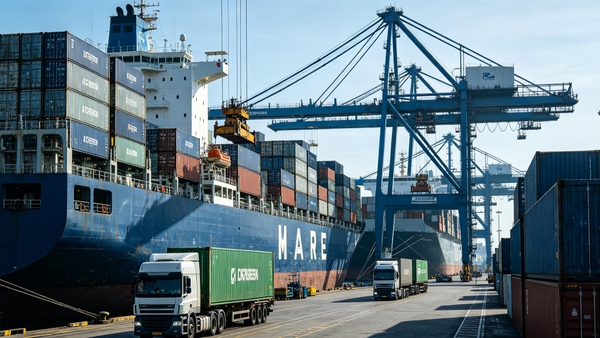
What common operational risks exist in multi-port LCL consolidation?
Multi-port LCL consolidation involves cross-terminal cargo coordination and mixed commodity stowage, creating distinct operational risks that differ from conventional single-port shipment handling. Professional NVOCC network mechanisms support targeted risk mitigation and operational stabilization.
Scattered cargo sourced from different ports carries inconsistent packaging specifications and variable delivery lead times. Without unified standardized management protocols, operational issues including cargo misplacement, documentation mismatch, and stowage-related extrusion damage may occur during consolidation and long-haul ocean transit.
According to Freightos Baltic Index 2025 LCL service quality datasets, multi-port consolidated shipments without professional network supervision register higher operational exception rates compared with standard single-port LCL cargo, with issues concentrated in declaration delays and unsynchronized arrival schedules.
A common mistake is insufficient verification of cross-port cargo compatibility. Forwarders who skip systematic cargo attribute reviews with NVOCC teams may introduce stowage conflicts and create safety hazards for full container shipments.
What is the development prospect of network-based LCL consolidation for cross-border trade?
Global cross-border procurement patterns continue shifting toward small-batch and high-frequency order cycles, making network-based multi-port LCL consolidation a prevalent service model for Southeast Asia to Europe Trade cargo transportation. Independent NVOCC networks function as key infrastructure supporting flexible cross-border supply chain logistics.
Ongoing digital transformation in the logistics industry strengthens NVOCC network operational capabilities. Real-time data synchronization algorithms, intelligent cargo matching systems, and automated documentation tools improve overall processing efficiency and data accuracy for multi-port consolidation workflows.
Continuous optimization of independent NVOCC network layouts reduces multi-port resource disparities across Southeast Asian shipping hubs. Reliable, cost-efficient, and standardized LCL shipping solutions delivered by these networks support steady and sustainable commodity circulation within Southeast Asia to Europe Trade channels.

Last
How global forwarding networks coordinate target delivery dates for breakbulk cargo running from usa ports to india logistics networks
USA to India logistics for breakbulk freight presents distinct scheduling complexities due to over-dimensional cargo specification

Next
Fast transit routing options for moving time critical seasonal fast fashion items from china to australia via air freight
China to Australia Air Freight acts as a core logistics solution for global forwarders managing high-urgency seasonal fast fashion

