




Hong Kong to USA logistics relies on optimized air-sea intermodal transshipment loops to strike a balanced combination of transit efficiency, cost control and shipment stability for cross-border commercial cargo. As a pivotal international logistics hub in Asia, Hong Kong boasts premium port infrastructures, comprehensive global flight networks and mature cross-border clearance mechanisms. These strengths make the region a preferred transshipment node for global freight forwarders serving major US logistics gateways, including Los Angeles, Long Beach, New York and Savannah.
Against the backdrop of fluctuating global shipping markets, standalone sea freight or air freight solutions can hardly accommodate the diversified delivery requirements of modern cross-border enterprises. The market shift has encouraged professional forwarding firms to adopt integrated intermodal strategies to sustain stable operational performance and supply chain resilience.
What defines high-efficiency air sea intermodal loops for Hong Kong to USA logistics?
High-efficiency air-sea intermodal transshipment loops are integrated cargo transport systems that leverage Hong Kong’s aerial and maritime port resources to deliver shipments to US logistics gateways via flexible route restructuring. Such integrated frameworks unify booking, transshipment, customs clearance and last-mile distribution workflows to bridge operational gaps between different transport modalities. According to UNCTAD 2024 industry data, intermodal freight solutions for Asia-North America trade lanes reduce cargo transit delay frequencies by 18% on average compared with single-mode transport arrangements.
This intermodal operational model breaks the rigid constraints of exclusive ocean freight or full air freight shipping schemes, establishing a tiered transport system adaptable to diverse cargo specifications. Low-value and high-volume bulk shipments are generally arranged via sea-dominant intermodal routes, while time-sensitive, high-value goods adopt air-priority combined transport solutions.
What core operational advantages do Hong Kong-based intermodal loops deliver?
Hong Kong’s intermodal networks benefit from the region’s tariff-free transshipment policies and round-the-clock port operational systems. These policy and infrastructural supports significantly enhance the flexibility of cargo scheduling and mode connection efficiency. Unlike many regional hubs with fixed operational hours and complicated transshipment approval procedures, Hong Kong ports enable seamless cargo sorting, mode switching and document processing, laying a solid foundation for stable Hong Kong-US freight circulation.

Why do global forwarders prioritize intermodal loops for Hong Kong to USA cargo movement?
Global freight forwarders commonly adopt Hong Kong-originated air-sea intermodal loops to mitigate prevalent global shipping risks and optimize comprehensive logistics expenditures. Continuous fluctuations in maritime freight rates and air cargo capacity in recent years have exposed the instability of single-mode transport, making intermodal integration a practical operational upgrade for long-term business development.
According to Freightos Baltic Index (FBX) 2025 monthly monitoring data, spot rates for direct Hong Kong-US ocean freight routes register monthly volatility of up to 22% under market changes. Meanwhile, standalone air freight expenses remain 3 to 5 times higher than the overall cost of well-structured intermodal transport solutions, creating clear cost advantages for combined shipping modes.
A common mistake is that many small and medium-sized forwarding agencies persist in fixed single-mode route arrangements, overlooking the strong market adaptability of intermodal loop systems. Such inflexible operational modes may lead to inflated logistics costs during peak air freight seasons or increased cargo detention probabilities amid US port congestion and maritime route disruptions.
Forwarders should note that US port congestion issues and global geopolitical shipping uncertainties may persist in the medium term. Improving flexible intermodal scheduling capabilities helps forwarding enterprises maintain stable service quality and market adaptability amid changing industry conditions.
How do US gateway port upgrades support Hong Kong intermodal freight growth?
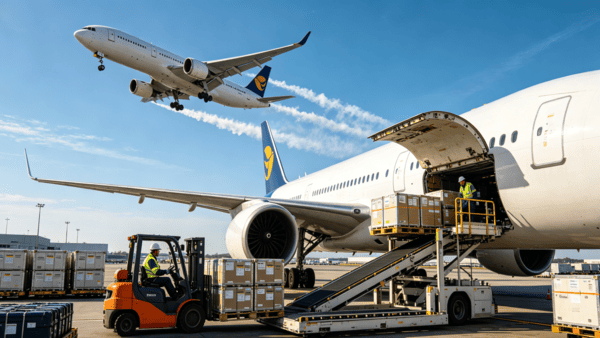
Major US logistics gateways have upgraded their intermodal cargo reception and inland distribution systems in recent years. Container terminals in Los Angeles and Savannah have launched dedicated intermodal container transfer channels, streamlining the handover process between ocean vessels and inland trucking or railway networks.
According to WTO 2024 global trade statistics, Hong Kong’s intermodal cargo volume exported to the US achieves a steady annual growth rate of 4.2%. This growth figure surpasses the volume expansion rate of single-mode freight transport, reflecting growing market recognition of intermodal shipping solutions for Hong Kong-US trade lanes.
How can forwarders optimize air sea intermodal loop operations for Hong Kong to USA logistics?
Refined optimization of Hong Kong to USA air-sea intermodal loops requires forwarders to formulate differentiated operational strategies based on cargo attributes, delivery timelines and client budget plans. Standardized workflows and adaptive emergency adjustment mechanisms are essential to tap the full value of intermodal transport. The recommended approach is to establish a categorized cargo scheduling system aligned with real-time maritime and aerial freight data.
Classify cargo for targeted mode matching: Forwarders can categorize shipments into time-sensitive high-value goods, conventional general cargo and large-volume bulk cargo. High-value electronic components and cross-border e-commerce urgent parcels suit air-first intermodal routes with sea freight backup for capacity shortages. Conventional trade cargo adopts sea-dominant loops with supplementary air freight arrangements to meet scheduled delivery deadlines, balancing operational costs and transit efficiency.
Monitor real-time industry data for route adjustment: Track authentic data released by FBX, Drewry and UNCTAD to capture dynamic changes in freight rates, air cargo capacity and US port operational efficiency. When west coast US ports face congestion, partial sea cargo can be switched to Hong Kong air transshipment or redirected to east coast US gateways via intermodal adjustments to lower cargo detention risks.
Streamline Hong Kong transshipment and clearance workflows: Leverage Hong Kong’s efficient cross-border clearance systems to complete cargo sorting, container stuffing and document verification within 24 working hours. Pre-submit US customs declaration information during Hong Kong transshipment procedures to shorten destination clearance cycles and improve overall loop turnover efficiency.
Build adaptive capacity backup mechanisms: Maintain cooperative partnerships with multiple Hong Kong shipping liners and airline carriers to reserve flexible capacity resources. In cases of route suspension or capacity shortage caused by extreme weather or regional market fluctuations, timely mode switching can sustain consistent cargo delivery to US logistics gateways.
What core challenges exist in current intermodal loop operations?
Ongoing operational practices of air-sea intermodal loops for Hong Kong to USA logistics face systematic obstacles dominated by fragmented supply chain data and inconsistent cross-mode connection standards. These prevalent issues may trigger transshipment delays and incremental operational expenditures, restricting the full release of intermodal transport efficiency. According to UNCTAD 2025 global shipping assessment reports, information asymmetry in cross-border intermodal transport contributes to an average 12% rise in comprehensive logistics costs for Asia-North America trade routes.
What obstacles do customized clearance rules bring to intermodal shipments?
US logistics gateways implement differentiated inspection protocols for mixed-mode transshipment cargo, which differs from the supervision standards for single-mode shipments. Intermodal cargo carries both ocean and air transport records, leading to more complex customs verification procedures.
Many forwarding teams lack systematic training on intermodal operational specifications, resulting in non-standard document submission and occasional clearance obstacles. Such irregularities affect the long-term stability of Hong Kong-US intermodal shipping routes and reduce client service satisfaction.
How to solve intermodal operation challenges for stable Hong Kong to USA freight delivery?
Practical solutions for intermodal operational challenges focus on digital system upgrading and standardized process iteration to unify full-link service specifications for Hong Kong to USA logistics. Forwarders can integrate professional digital tools to realize cross-mode real-time cargo tracking, eliminating information blind spots in transshipment and handover procedures.
Deploy integrated digital tracking platforms: Connect data interfaces of Hong Kong port terminals and US gateway ports to achieve real-time synchronization of cargo transshipment status, transport schedules and customs clearance progress. Digital supervision effectively reduces manual operational errors and improves the predictability of cargo delivery cycles.
Standardize cross-modal intermodal SOPs: Formulate unified specifications for document preparation, cargo inspection and transshipment handover for air-sea combined transport. Provide professional training for operational teams to familiarize staff with Hong Kong cross-border policies and US customs regulations, lifting the overall clearance pass rate of intermodal cargo.
Maintain stable long-term carrier partnerships: Establish steady cooperative relationships with reputable Hong Kong shipping and air freight carriers to access stable capacity reservation rights and reasonable pricing terms. Long-term partnership cooperation helps mitigate capacity shortages and rate hikes during peak shipping seasons.
As global trade structures continue to optimize and supply chain uncertainties remain prevalent, high-efficiency air-sea intermodal transshipment loops will remain one of the viable mainstream solutions for Hong Kong to USA logistics. Forwarders with mature intermodal operational capabilities can effectively mitigate operational risks, control comprehensive logistics costs and deliver stable, flexible cross-border freight services, building solid market competitiveness in the evolving global logistics industry.
Last
Fast transit routing options for moving time critical seasonal fast fashion items from china to australia via air freight
China to Australia Air Freight acts as a core logistics solution for global forwarders managing high-urgency seasonal fast fashion
Next
Document Verification Workflows to Clear High Value Diagnostic Tools via Europe to Middle East Air Freight Terminals
Europe to Middle East Air freight networks serve as core logistical corridors for high-value medical diagnostic devices, supportin

