




China to Africa Sea Freight sustains large-scale bulk commodity circulation for cross-border industrial and infrastructure trade, while inadequate port infrastructure across African destination territories creates consistent operational hurdles for global freight forwarders. Typical bulk cargo in this trade lane includes mineral raw materials, construction aggregates, and industrial auxiliary supplies, with high shipment volume and relatively low unit value. Such cargo characteristics make logistics performance heavily reliant on terminal handling capacity and intermodal inland transport connectivity. Recent growth in bilateral bulk trade volumes has further exposed infrastructural mismatches at African coastal terminals.
What are core infrastructure barriers for African bulk cargo sea freight reception?
African destination infrastructure barriers consist of hardware shortages and administrative software gaps at coastal ports and inland transport corridors that hinder efficient discharge, warehousing, and hinterland distribution of China-origin bulk commodities. These constraints disrupt standardized cyclic transit arrangements for cross-border bulk sea shipments.
Bulk cargo operations require dedicated mechanical grabbing, stacking, and conveyance systems to maintain continuous cargo turnover, which differs substantially from flexible handling workflows for containerized freight. According to UNCTAD 2024 maritime logistics assessments, a notable share of mainstream African bulk terminals lack modern specialized handling equipment, forcing operators to rely on vessel-mounted gear for discharge activities. This inefficient operational model extends port stay duration and disrupts pre-planned transit cycle schedules.
Inland connectivity limitations also undermine overall bulk cargo logistics efficiency. Most port-linked railway and highway networks across African regions feature aging infrastructure and insufficient coverage radius, failing to accommodate high-volume bulk cargo evacuation demands. Industry statistical observations indicate inland transit lead times for African bulk shipments often register two to three times the global average level.
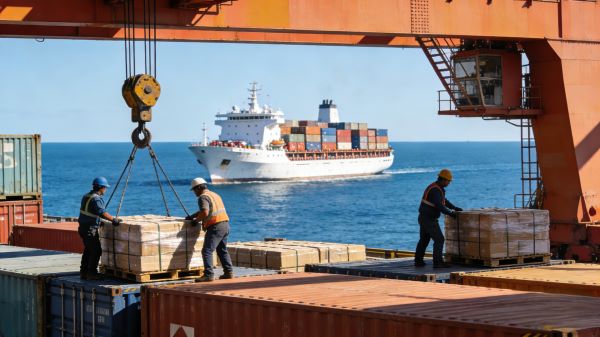
How do port hardware limitations affect China-Africa bulk transit loops?
Port hardware deficits create systematic restrictions on bulk cargo transit loops by lowering terminal throughput efficiency and triggering irregular vessel and cargo congestion. These operational fluctuations destabilize scheduled shipping arrangements for bulk cargo dispatched from Chinese industrial ports.
Limited bulk handling equipment availability: Most African coastal terminals operate with insufficient high-capacity bulk grab cranes and automated stacking infrastructure. Verified 2024 port operational data shows average crane productivity at regional African bulk terminals ranges from 12 to 18 cargo moves per hour, compared with a global industry average of 25 to 30 moves per hour. Reduced handling output extends vessel berthing occupancy periods.
Constrained bulk storage yard capacity: Terminal space allocation strategies at many African ports prioritize container cargo storage, leaving limited designated areas for bulk commodity stacking. Concurrent arrival of multiple bulk carriers leads to yard saturation, which requires incoming vessels to wait at offshore anchorages and interrupts cyclic transit schedules.
Outdated channel and berth infrastructure: Numerous African bulk terminals feature aging waterway channels and shallow berth drafts. These physical constraints restrict access for large-capacity bulk carriers widely deployed on China-Africa trade lanes, necessitating cargo volume segmentation and split-shipment arrangements.
A common mistake is applying global standard port efficiency benchmarks to African bulk terminal operations. Many forwarders develop transit loop schedules based on generalized international data, which results in frequent timeline deviations and unbudgeted operational surcharges during actual execution.
What software and management obstacles hinder bulk cargo clearance and delivery?
Port software and administrative obstacles encompass inefficient customs clearance protocols, inconsistent terminal operating rhythms, and fragmented regional supervision frameworks. These intangible barriers raise operational uncertainty for structured bulk cargo transit loops on China-Africa sea lanes.
Manual and fragmented clearance procedures: A majority of African bulk terminals maintain low digitalization levels, relying on manual document review workflows. Multiple regulatory departments conduct iterative inspections for imported industrial bulk materials, prolonging clearance cycles relative to automated international port systems.
Inconsistent terminal operating routines: Several African port terminals lack formalized shift scheduling and routine equipment maintenance frameworks. Unscheduled operational halts disrupt continuous bulk discharge processes and break integrated transit loop continuity.
Heterogeneous cross-border supervision rules: Different African nations enforce divergent inspection criteria and tariff verification protocols for inbound bulk commodities. The absence of unified regional trade standards increases document preparation workloads and regulatory risk exposure for forwarding firms.
Forwarders should note that administrative and procedural inefficiencies often generate longer cargo dwell times than physical hardware limitations. Proactive document structuring and localized policy adaptation serve as practical methods to reduce invisible transit delays for bulk sea freight.
How to optimize bulk cargo transit loops to adapt to African infrastructure conditions?
Transit loop optimization for China-origin bulk cargo requires forwarders to adjust shipping frequency planning, port matching logic, and risk buffer mechanisms. Targeted operational adaptations offset regional infrastructural shortcomings and stabilize overall logistics throughput performance.
Implement phased volume segmentation planning: The recommended approach is to divide large-quantity bulk consignments into moderate shipment batches aligned with local terminal handling thresholds. This practice mitigates terminal overloading and lengthy anchorage waiting periods caused by oversized single-vessel cargo loads.
Utilize established regional hub terminals: Logistics practitioners often adopt hub port strategies by selecting African terminals with comprehensive bulk handling infrastructure and standardized management systems, including Mombasa and Tema. These facilities support consistent transit loop execution under regular market conditions.
Allocate configurable operational buffer periods: Integrate four to seven days of flexible scheduling buffer for bulk cargo voyages. This contingency window accommodates occasional port congestion, equipment malfunctions, and procedural delays stemming from infrastructural limitations.
Complete pre-arrival documentary compliance: Conduct full document validation and customs declaration submission prior to vessel berthing. Advanced pre-clearance preparation shortens onshore processing durations and improves overall cargo turnover efficiency.
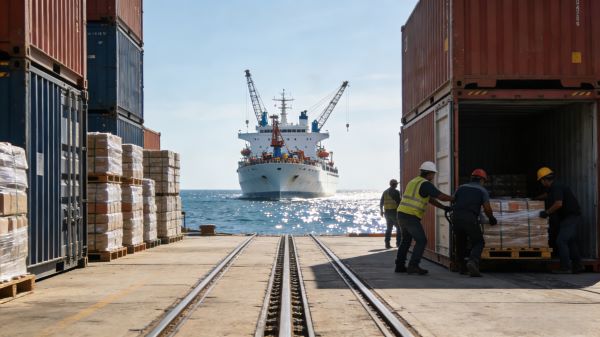
Forwarders should note that effective bulk transit loop optimization prioritizes operational adaptability instead of accelerated individual voyage speed. Consistent long-term shipping rhythm supports sustainable service reliability for forwarders operating within the China-Africa bulk logistics market.
What long-term strategies help mitigate African infrastructure risks?
Sustained infrastructure risk mitigation depends on ongoing market monitoring, localized partnership development, and service model iteration. These long-term measures reduce operational volatility caused by infrastructural and institutional changes affecting bulk freight routes.
Many African coastal economies have launched targeted port upgrade initiatives focused on bulk handling capacity enhancement in recent years. According to UNCTAD 2025 interim maritime investment reports, more than 20 African coastal ports have rolled out equipment renewal and yard expansion projects, which support gradual improvement in regional bulk cargo reception capabilities over upcoming operational cycles.
Long-term cooperative frameworks with local terminal operators and regional logistics vendors deliver stable operational visibility. Localized partnerships provide real-time port condition updates, regulatory adjustment notifications, and emergency response coordination, reducing information asymmetry risks associated with evolving port infrastructure systems.
Conclusion
Hardware shortages and immature administrative frameworks at African destination ports represent persistent operational challenges for structured bulk cargo transit loop management within China to Africa Sea Freight. Global freight forwarding entities can mitigate these constraints by abandoning rigid universal logistics scheduling models, implementing adaptive short-term operational adjustments, and building long-term localized resource layouts. Data-driven scheduling and region-specific risk control support stable, repeatable, and cost-effective bulk cargo logistics operations across China-Africa maritime trade corridors.

Last
Vetting alternative transshipment port options to bypass direct port congestion bottlenecks across the india to usa trade lane
The india to usa trade lane accommodates massive volumes of textile, manufactured goods and general containerized cargo, where mai

Next
Leveraging low cost container space availability on empty repositioning strings running from europe to asia backhaul routes
Europe to Asia Backhaul routes maintain abundant low-cost container space supported by systematic empty container repositioning op

