




Europe to Asia Backhaul routes maintain abundant low-cost container space supported by systematic empty container repositioning operations across major global shipping lanes, creating viable cost-reduction opportunities for international freight forwarders. This prevalent market condition originates from persistent trade imbalances between European and Asian regional economies, which generate substantial idle container capacity on west-to-east return transoceanic voyages throughout shipping cycles. For global forwarding enterprises, proficient utilization of such underutilized cargo space serves as a practical strategy to optimize operational costs in the current container shipping market.
What triggers surplus low-cost container capacity on Europe to Asia Backhaul routes?
Structural trade volume disparities between European and Asian markets create consistent excess empty container capacity on Europe to Asia Backhaul routes. European economies prioritize exports of high-value manufactured goods and trade services, while Asian industrial hubs dominate global exports of mass-produced consumer and industrial goods, leading to higher container inflows into European ports than outbound container volumes.
According to UNCTAD 2025 global maritime logistics statistics, approximately 32% of eastbound container voyages departing from European ports carry partially loaded or fully empty container units to facilitate global fleet rebalancing for major shipping carriers. This sustained capacity surplus forms the foundational supply of low-cost backhaul shipping space.
How do seasonal shipping cycles affect backhaul space supply?
Periodic adjustments to carrier capacity deployment expand accessible low-cost space on Europe to Asia backhaul lanes. Shipping carriers allocate predominant vessel and container capacity to support peak Asia-to-Europe export seasons, which align with European holiday consumption demand in the third and fourth quarters of each year.
Following peak shipping seasons, most carriers retain existing fleet scales instead of implementing rapid capacity reductions. This operational practice results in continuous surplus container availability on return eastbound Europe to Asia voyages during off-peak market phases, stabilizing low-cost space supply for forwarders.
What role does port inventory management play in backhaul space provision?
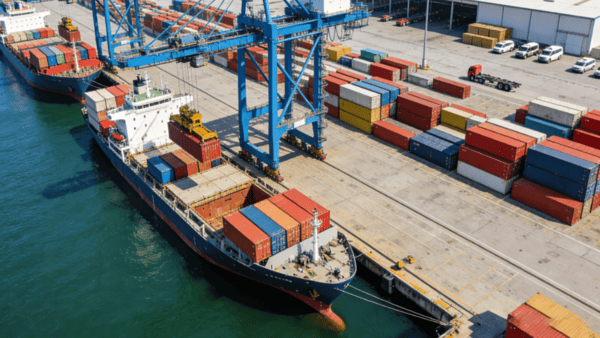
Inventory regulation strategies at major European hub ports further enrich low-cost repositioning container resources for freight forwarders. Core European container hubs including Rotterdam, Hamburg, and Le Havre accumulate large volumes of idle standard containers after completing inbound cargo discharge operations.
To mitigate elevated yard storage expenditures and improve container asset turnover efficiency, port authorities and mainstream carriers release preferential pricing schemes for empty container repositioning slots on Europe to Asia Backhaul routes. These targeted pricing policies enhance the cost advantages of utilizing backhaul capacity for cross-border cargo transportation.
What core operational benefits can forwarders obtain from backhaul space utilization?
Strategic utilization of low-cost empty repositioning space on Europe to Asia Backhaul routes enables freight forwarders to refine client quotation frameworks and strengthen market competitiveness. This cost-effective operational method optimizes baseline ocean freight expenditures without compromising voyage stability or cargo safety standards, supporting flexible pricing solutions for medium and small-batch cross-border cargo shipments.
Optimize comprehensive logistics expenditure: Based on Shanghai Shipping Exchange 2026 Q1 route monitoring data, spot rates for conventional full-container Europe to Asia shipments register a noticeable premium compared to empty repositioning backhaul space rates. Forwarders can allocate partial cost savings to client pricing adjustments while sustaining healthy profit margins, catering to the needs of cost-conscious cross-border trading entities.
Enhance cargo shipment flexibility: Empty repositioning container slots on backhaul lanes feature relaxed booking protocols and expedited confirmation workflows relative to traditional scheduled shipping services. Forwarders can arrange supplementary shipment solutions for clients’ sporadic small-volume cargoes, alleviating capacity shortages for scattered cargo transportation on mainstream fixed schedules.
Strengthen long-term carrier collaboration: The recommended approach is for forwarders to cultivate stable collaborative relationships with shipping carriers through regular consumption of idle backhaul capacity. Carriers mitigate financial losses associated with underutilized return voyages via consistent space uptake, which supports improved booking priority and favorable seasonal pricing terms for ongoing partnerships.
What prevalent operational errors should forwarders avoid with backhaul space?
Many global freight forwarding firms fail to fully unlock backhaul route commercial value due to common operational misunderstandings and inadequate real-time market data analysis. Unregulated space reservation and unreasonable cargo matching practices frequently result in wasted low-cost capacity resources and increased latent operational risks, offsetting potential cost-saving benefits.
Unregulated bulk space reservation without cargo scheduling: A common mistake is that forwarders reserve substantial volumes of low-cost backhaul space based solely on pricing advantages, without aligning reservations with verifiable client cargo pipelines. Unoccupied reserved capacity may incur contractual default fees and space occupancy charges, converting potential cost benefits into operational liabilities and weakening collaborative credibility with carriers.
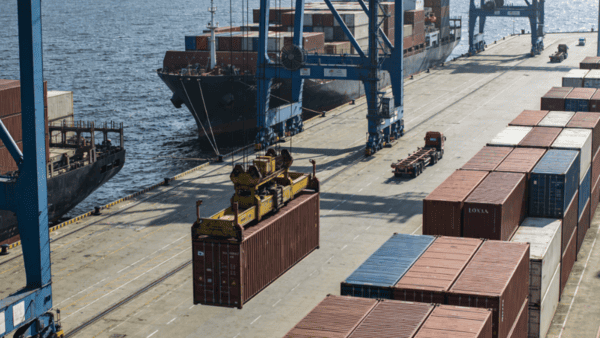
Oversight of backhaul route operational restrictions: Forwarders should note that empty repositioning container spaces on Europe to Asia Backhaul routes come with predefined port coverage scopes and cargo category restrictions. Several carrier-specified backhaul slots exclude over-dimensional cargo, chemical goods, and other special commodity types, while prohibiting cross-port transshipment operations.
Insufficient monitoring of capacity fluctuation patterns: Low-cost backhaul space supply demonstrates dynamic variations in response to regional trade cycle shifts and carrier capacity restructuring. Failure to track ongoing market fluctuations may cause forwarders to miss viable booking windows or secure low-efficiency capacity during periods of tightened market supply.
How can forwarders secure consistent high-quality backhaul space resources?
Structured market surveillance and standardized operational workflows support forwarders in accessing reliable low-cost container space on Europe to Asia Backhaul routes. Ad-hoc temporary booking practices deliver limited long-term operational value, while proactive market layout enables sustained cost optimization and diversified service upgrades for forwarding businesses.
Deploy dynamic maritime data monitoring systems: Forwarders can track carrier empty container repositioning roadmaps and hub port container inventory levels on a continuous basis. Integrating Drewry 2025–2026 global container route capacity reports supports accurate identification of surplus capacity cycles, enabling pre-emptive space booking ahead of market supply adjustments.
Implement refined cargo resource classification and matching: The recommended approach is for forwarders to categorize client cargoes by shipment volume, delivery timeline requirements, and commodity attributes. Matching low-priority, flexible-timeline cargoes with backhaul empty space improves overall capacity utilization while preventing conflicts with time-sensitive mainstream shipment arrangements.
Establish framework agreements with mid-tier carriers: Large-scale liner carriers impose stringent quota controls on backhaul space allocation, whereas regional mid-tier carriers offer more flexible idle capacity release mechanisms. Long-term framework cooperation assists forwarders in securing relatively stable low-cost space supply for recurring Europe to Asia backhaul shipments.
In the evolving global container shipping landscape, deliberate utilization of low cost container space availability on empty repositioning strings running from europe to asia backhaul routes serves as a viable development pathway for global freight forwarders to streamline operational expenditures, diversify service offerings, and expand market influence. By mitigating common operational pitfalls, adopting data-driven resource allocation strategies, and maintaining steady market layout, forwarders can fully leverage backhaul route commercial value and build differentiated operational advantages in the competitive international logistics industry.
Last
Overcoming destination infrastructure challenges when managing bulk cargo china transit loops to africa using sea freight
China to Africa Sea Freight sustains large-scale bulk commodity circulation for cross-border industrial and infrastructure trade,
Next
Sourcing reliable local feeder network connections to handle container deliveries from china to africa through sea freight
China to Africa Sea Freight constitutes a core container trade corridor for cross-border commercial and industrial commodity shipm

