




China to Africa Sea Freight constitutes a vital maritime logistics channel for cross-border heavy machinery trade, supporting ongoing infrastructure construction and industrial cooperation across African regions in recent years. Heavy machinery commodities, including construction excavators, mining crushers, and agricultural processing equipment, feature oversized dimensions and heavy deadweight. These unique cargo characteristics result in more rigorous shipping protocols compared with conventional containerized goods. For global freight forwarders, tracking updated transit time trends helps deliver stable logistics solutions and align delivery schedules with client project plans.
What Defines Standard Transit Time for Heavy Machinery Sea Freight?
Standard transit time for heavy machinery sea freight describes the scheduled voyage duration from cargo loading at Chinese industrial ports to berth-to-berth discharge at designated African coastal terminals. This calculation excludes onshore terminal storage periods and customs clearance processing delays.
This measurement system applies exclusively to heavy-lift dedicated voyages and customized breakbulk shipping routes designed for oversized industrial equipment. It differs substantially from timeline standards for general FCL and LCL container shipments.
Heavy machinery transit scheduling prioritizes specialized carrier operation schedules rather than generic liner service timetables. Key influencing factors include vessel tonnage matching, professional heavy cargo stowage planning, and route adaptation for over-dimensional shipments. According to UNCTAD 2024 maritime logistics statistics, breakbulk and heavy-lift cargo shipments demonstrate relatively stable transit cycle performance amid recurring global shipping market volatility.
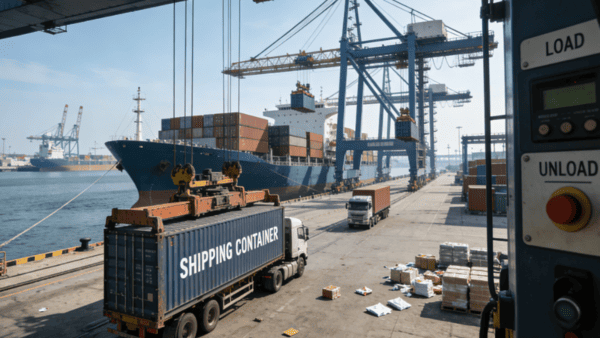
How Do Major China Industrial Ports Shape Transit Time Variations?
Chinese industrial ports deliver variable transit efficiency for Africa-bound heavy machinery shipments, influenced by route coverage scope, specialized vessel deployment frequency, and terminal operational throughput capacity. Multiple core industrial port hubs dominate China’s heavy machinery export volume for Africa-focused maritime trade.
Shanghai Wusongkou Port: Serving as a key domestic heavy-lift vessel aggregation base, the port launched a dedicated East Africa heavy machinery shipping route in 2025 (Shanghai Municipal Government 2025). Fixed quarterly sailings connect Shanghai with major industrial ports in Mozambique and Kenya. Direct voyages eliminate intermediate transshipment links, with standard full-load transit cycles ranging from 22 to 26 days.
Qingdao Port: Backed by Shandong Port Group and COSCO Specialized Carriers resources, the port operates regular weekly direct heavy-lift services for Southeast African destinations. Optimized terminal stowage workflows for industrial equipment reduce redundant voyage detours. Verified 2024 shipping data records stable standard transit times of 20 to 24 days for mainstream Southeast African port destinations (China Daily 2024).
South China Ports (Yantian & Nansha): These ports primarily serve West and Central African trade demands through a hybrid service model combining direct voyages and transshipment arrangements. Direct shipments require 28 to 32 days of voyage time, while cargo transferred via Middle East maritime hubs extends total transit duration to 35 to 40 days due to additional handling procedures.
Forwarders should note that northern Chinese industrial ports generally provide time-efficient shipping options for East and Southeast African destinations. Southern China ports maintain consistent cargo capacity supply for West Africa heavy machinery shipments. Reasonable origin port selection based on target African regions effectively improves overall delivery efficiency for industrial clients.
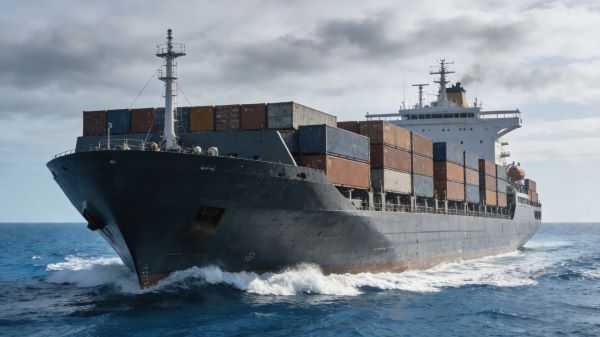
What Are Regional Transit Time Differences Across African Destinations?
Coastal regions across Africa exhibit differentiated transit time benchmarks for China-origin heavy machinery sea freight. Such discrepancies stem from varying route accessibility levels, local port infrastructure maturity, and uneven regional shipping market demand. These regional variations form essential references for forwarders’ service quotation and project scheduling.
East Africa Destinations: Core terminals including Mombasa and Dar es Salaam host multiple mature direct heavy-lift shipping routes from China. Continuous route optimization and service upgrades during 2024–2025 have stabilized standard transit times within the 20–25 day range for qualified heavy machinery cargoes.
Southeast Africa Destinations: Ports such as Beira and Maputo have benefited from expanded direct China-Africa shipping networks. 2024 industry shipping data indicates standard transit times of 22 to 28 days for heavy machinery shipments. The new direct service framework enhances route stability compared with previous transshipment-dependent logistics models.
West Africa Destinations: Major commercial ports including Lagos, Tema, and Abidjan still rely on partial transshipment arrangements for heavy-lift cargo. Limited available direct heavy-lift vessel capacity contributes to longer shipping cycles, with standard transit times hovering between 30 and 38 days under regular maritime conditions.
A common mistake is adopting uniform transit time benchmarks for all African regional destinations. This inappropriate practice frequently leads to inconsistent delivery scheduling and unnecessary client communication disputes. Forwarders are advised to categorize shipping routes by African sub-regions to deliver precise and reliable timeline commitments.
How Have Recent Market Factors Altered Transit Time Trends?
Multiple global maritime market variables have driven incremental changes in transit time patterns for China-Africa heavy machinery sea freight in recent years. Route restructuring, specialized vessel fleet expansion, and regional maritime risk fluctuations serve as core influencing factors for shipping cycle adjustments.
Maritime Route Risk Impacts
Persistent navigation uncertainties in the Red Sea starting from 2024 have prompted numerous container and general breakbulk vessels to adopt Cape of Good Hope detour routes. This route adjustment moderately extends transit durations for West Africa-bound shipments (China Daily 2025). Most dedicated heavy-lift carriers retain fixed direct route plans to preserve schedule stability and mitigate delay risks for high-value industrial machinery cargo.
Specialized Shipping Network Optimization
Continuous expansion of China-Africa dedicated heavy-lift shipping networks improves overall maritime logistics efficiency. The new batch of Africa-focused specialized routes launched by COSCO Shipping in late 2024 raises comprehensive shipping efficiency by approximately 30% for heavy machinery cargoes across multiple African regions (China Daily 2024). UNCTAD 2025 interim maritime data shows that the average transit time for China-Africa breakbulk cargo has decreased by 4.2 days compared with the average level recorded during the 2022–2023 period.
What Is the Optimal Forwarder Strategy for Accurate Transit Time Forecasting?
Precise transit time forecasting for cross-border heavy machinery shipping requires forwarders to synthesize multi-dimensional data, including port operational capacity, route attribute characteristics, and real-time maritime market dynamics. Systematic scheduling strategies help mitigate delivery delay risks and elevate professional service standards for industrial cargo clients.
Implement differentiated route matching: Align northern Chinese port resources for East African cargo shipments and southern port resources for West African cargo demands to leverage existing direct route advantages and shorten voyage durations.
Select professional heavy-lift vessel resources: The recommended approach is to prioritize specialized heavy machinery carriers over general breakbulk vessels. Professional carriers maintain fixed sailing schedules and deliver improved timeline stability for oversized industrial cargo.
Reserve flexible buffer periods for regional risks: Allocate 3–5 days of controllable buffer time for West Africa shipments to accommodate occasional port congestion and temporary route adjustment scenarios.
Update benchmark data on a quarterly basis: Continuously track new route launches, port efficiency upgrades, and carrier schedule adjustments from UNCTAD official releases and major international carrier announcements to refresh transit time reference standards.
Forwarders should note that heavy machinery cargo logistics cannot follow conventional container shipping scheduling logic. Oversized physical dimensions and specialized stowage requirements make vessel availability and route stability more critical than short-term freight rate fluctuations in transit time management.
Conclusion
Transit time trends for heavy machinery transportation via China to Africa Sea Freight undergo continuous adjustment alongside global shipping route optimization, specialized vessel fleet expansion, and evolving maritime risk landscapes. Geographical discrepancies between Chinese industrial ports and African destination regions remain key variables affecting standard shipping cycles. For global freight forwarders, mastering updated transit time benchmarks, avoiding prevalent scheduling errors, and applying differentiated operational strategies help improve service accuracy and client cooperation experience within the professional heavy machinery cross-border logistics industry.
Last
Hidden destination port demurrage structures that expand the total import cost when routing cargo from china to middle east
Precise assessment of China to Middle East cost requires freight forwarders to account for concealed destination port demurrage an
Next
Comparing low tariff slow strings with premium fast lanes to balance total china export logistics cost to middle east markets
Optimizing China to Middle East cost relies on rational comparison between low-tariff slow container services and premium expedite

