




Cross Border Vietnam Trucking acts as a core intermodal solution for regional freight forwarding operations, supporting flexible hub consolidation and dispatching for diverse Vietnamese export cargoes. In recent years, Vietnam’s outbound cross-border freight throughput has maintained steady growth, prompting global forwarders to evaluate land bridge intermodal transit and short sea feeder shipping for balanced delivery efficiency and cost control. According to ITC Trade Map 2024 data, Vietnam’s cross-border road and coastal sea freight volumes have registered consistent double-digit growth, with hub-based trucking transit covering over 40% of regional outbound cargo movements.
What are the core definitions of Vietnam land bridge and short sea feeder freight solutions?
Land bridge intermodal transit refers to integrated road and rail freight routes that move Vietnamese export cargoes across terrestrial borders through centralized trucking hubs. This inland-focused model connects industrial zones to regional logistics terminals without relying on ocean-going vessel capacity.
Short sea feeder services denote coastal and nearshore shipping operations that carry Vietnam outbound cargoes from port-adjacent trucking hubs to regional transshipment facilities. These feeder routes link inland cargo collection points with mainstream liner networks for subsequent global distribution.
Forwarders should note that both transportation models originate from key Vietnam trucking hubs, including Ho Chi Minh, Hanoi, and Hai Phong inland logistics centers. Operational discrepancies mainly lie in transit medium adoption and customs clearance protocols, which shape overall transit duration and cargo transportation stability.
How does transit efficiency differ between land bridge and short sea feeder routes?
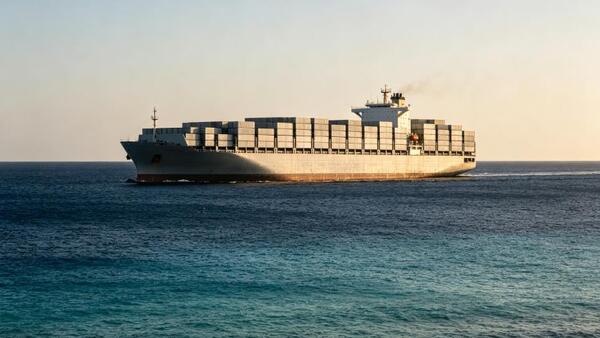
Transit time fluctuation serves as a key operational distinction between land bridge intermodal transit and short sea feeder shipping for Vietnam cross-border freight. Route flexibility and customs clearance workflows further create efficiency gaps for different cargo categories.
According to UNCTAD 2025 regional maritime logistics reports, short sea feeder services departing from Vietnam’s major port hubs require 3 to 7 days of transit for common Southeast Asian transshipment destinations. Fixed vessel sailing schedules and terminal stowage procedures generate unavoidable waiting intervals for containerized cargo shipments.
Land bridge intermodal Cross Border Vietnam Trucking services deliver consistent transit cycles of 1 to 4 days for neighboring regional markets. Centralized trucking hub dispatching supports flexible cargo departure arrangements independent of rigid shipping schedules, reducing idle detention time for time-sensitive manufacturing and retail cargoes.
A common mistake is that many forwarders apply short sea feeder routes to all bulk outbound cargoes without conducting targeted demand assessment. While feeder shipping provides sizable single-vessel carrying capacity, schedule inflexibility often fails to align with fast-turnaround delivery requirements of modern cross-border supply chain frameworks.
What cost differences exist between the two cross-border freight modes?
Land bridge trucking intermodal transport and short sea feeder shipping feature differentiated cost structures that guide forwarders’ route selection for Vietnam outbound freight. Total logistics expenses cover terminal handling charges, cross-border transit tolls, transshipment fees, and cargo insurance premiums.
Short sea feeder unit costs: This transportation mode offers lower per-unit freight expenses for large-volume shipments with relaxed delivery timelines. According to Drewry 2024 regional freight rate analytics, short sea feeder tariff levels for Vietnam outbound routes remain stable for full-container-load consignments throughout seasonal market fluctuations.
Land bridge comprehensive costs: Cross Border Vietnam Trucking land bridge solutions carry relatively higher unit transportation fees yet eliminate recurring transshipment and terminal warehousing expenses. The recommended approach is to calculate holistic landed costs rather than referencing only basic freight rates during route planning.
Hidden cost discrepancies: Short sea shipping operations may incur additional demurrage and container detention fees due to schedule adjustments and port congestion. Land bridge trucking minimizes such incidental expenses through flexible dispatching and direct border clearance procedures.
What cargo scenarios suit land bridge intermodal trucking solutions?
Land bridge intermodal trucking services from Vietnam logistics hubs fit cargo scenarios where delivery punctuality and operational stability take priority over large-scale transportation capacity. Targeted route matching helps forwarders enhance overall service suitability for client demands.
Time-sensitive manufacturing cargoes: Electronic components, precision mechanical accessories, and just-in-time production inputs require rapid cross-border turnover. Land bridge trucking supports stable and fast cargo circulation to sustain continuous manufacturing operations.
Small-batch customized shipments: Fragmented, low-volume outbound consignments rarely meet full vessel loading requirements for feeder shipping. Forwarders should note that hub-based trucking consolidation improves capacity utilization and accelerates overall delivery progress.
Emergency replenishment goods: Inventory restocking materials and urgent order shipments require flexible dispatching without fixed schedule delays. On-demand trucking arrangements from Vietnam core logistics hubs effectively address emergency supply chain replenishment needs.
What cargo scenarios are more suitable for short sea feeder shipping?
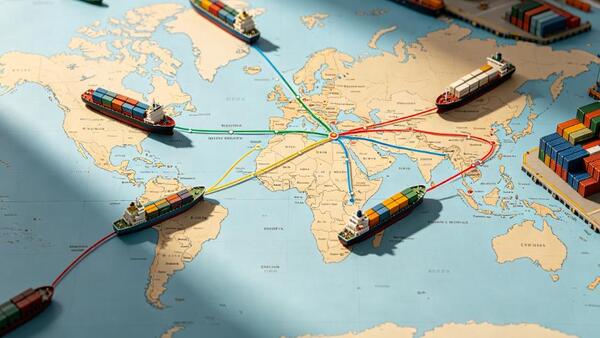
Short sea feeder shipping works well for large-volume Vietnam outbound cross-border freight with cost-focused requirements and flexible delivery schedules. Reasonable scenario-based route selection assists forwarders in optimizing client logistics budgets effectively.
Large-volume bulk commodity shipments: Textile raw materials, industrial packaging materials, and mass industrial goods adapt to the high-capacity characteristics of feeder shipping. Stable per-unit cost levels improve economic efficiency for large-batch cargo transportation.
Long-cycle inventory cargoes: Stockpiling goods with extended delivery windows can accommodate fixed maritime sailing schedules. Short sea feeder networks provide steady capacity support for medium and long-term inventory deployment strategies.
Cross-regional transshipment cargoes: Shipments requiring secondary ocean transshipment benefit from mature feeder shipping liner networks. This mode simplifies intermodal connection workflows for long-distance global cargo distribution.
How should forwarders select routes based on practical business demands?
Scientific route selection requires forwarders to balance transit duration, cargo volume, cost budgets, and client delivery specifications for Vietnam outbound cross-border freight. Standardized selection workflows reduce operational errors and improve service matching accuracy.
Evaluate cargo urgency first: The recommended approach is to allocate land bridge Cross Border Vietnam Trucking services for time-sensitive consignments and deploy short sea feeder solutions for low-urgency bulk shipments.
Calculate comprehensive landed costs: Compare total logistics expenditures including basic freight, terminal handling fees, and potential operational penalty costs. Route advantages should not be judged solely based on surface freight tariff levels.
Assess supply chain node layout: Match transportation modes according to overseas warehouse locations and downstream production cycles. Mixed intermodal solutions are applicable for complex multi-node supply chain scenarios.
Refer to real-time capacity status: A common mistake is adhering to fixed route habits without verifying real-time shipping schedules and trucking capacity availability. Dynamic route adjustment helps adapt to fluctuating regional logistics market conditions.
Overall, Cross Border Vietnam Trucking land bridge intermodal frameworks and short sea feeder shipping deliver differentiated operational merits for Vietnam outbound cross-border freight scenarios. Global forwarders can achieve balanced supply chain efficiency and cost optimization by deploying appropriate transportation modes based on actual cargo attributes and client operational requirements.
Last
Comparing low tariff slow strings with premium fast lanes to balance total china export logistics cost to middle east markets
Optimizing China to Middle East cost relies on rational comparison between low-tariff slow container services and premium expedite
Next
Avoiding hidden destination port charges that alter the base shanghai export cost to europe for shared lcl containers
Many global freight forwarders encounter unstable profit margins due to unplanned destination port expenditures when managing Shan

