




E-commerce shippers and global freight forwarders commonly assess fast boat and standard vessel string allocation strategies to balance transit efficiency and logistics expenditure for China to USA Ocean Freight cross-border containerized shipments. Cross-border e-commerce cargo features small-batch, high-turnover inventory attributes with steady delivery stability demands, making vessel lane selection a core operational decision for forwarding teams. In recent years, continuous growth in trans-Pacific e-commerce trade volume has prompted logistics providers to launch tiered service solutions for differentiated merchant shipping demands.
What are fast boat and standard ocean strings for trans-Pacific e-commerce freight?
Fast boat and standard vessel strings are two tiered container shipping service frameworks tailored for trans-Pacific e-commerce cargo transportation. The two service modes differ in port rotation design, sailing cycle, terminal handling priority and pricing mechanisms for cross-border logistics arrangements.
Fast boat services represent premium trans-Pacific ocean freight schedules with streamlined port rotation and priority terminal loading authorization. These routes skip minor regional port calls to reduce berthing waiting time and total sailing duration, primarily serving time-sensitive e-commerce inventory replenishment shipments. Mainstream carriers set aside dedicated capacity for fast boat strings to lower cargo rolling probabilities during peak shipping seasons.
Standard ocean strings refer to conventional weekly fixed-schedule shipping routes covering complete port networks connecting Chinese coastal container hubs and U.S. gateway ports. This service framework supports large-volume shipment accommodation with flexible document cutoff windows and stable market pricing, matching routine bulk stocking demands of cross-border e-commerce merchants.
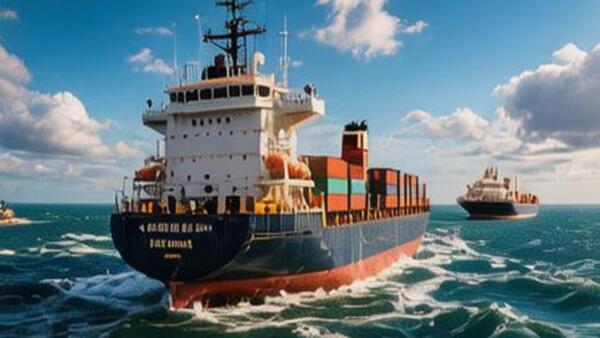
According to Drewry 2025 trans-Pacific lane performance statistics, fast boat services shorten average west-coast port-to-port transit time by around 30% compared with standard vessel strings. The efficiency gap expands noticeably amid seasonal port congestion and industry-wide capacity tightening periods.
Why does vessel string selection influence e-commerce supply chain stability?
Reasonable vessel string allocation exerts tangible impacts on e-commerce inventory turnover efficiency, capital occupation cycle and end-consumer shopping experience. Different shipping service types shape distinct operational rhythms for merchant warehousing deployment and supply chain planning.
Forwarders should note that e-commerce supply chains rely heavily on predictable replenishment cycles to mitigate stockout risks and excessive inventory backlogs. Mismatches between cargo time-sensitivity and ocean service specifications trigger either redundant logistics spending or inventory supply shortages for cross-border merchants.
Seasonal trending goods and periodic promotional inventory require shortened replenishment cycles to capture effective sales periods. Vessel schedule delays may reduce product platform exposure and weaken market conversion performance. In contrast, conventional daily stocking cargo can tolerate extended transit cycles to optimize comprehensive logistics cost structures.
According to UNCTAD 2025 global maritime e-commerce logistics reports, approximately 42% of trans-Pacific e-commerce shipment delays result from unreasonable vessel string matching, rather than port congestion or extreme weather disruptions. Appropriate service selection effectively stabilizes overall supply chain operational efficiency for cross-border retail businesses.
What key operational differences exist between fast boat and standard strings?
Fast boat and standard ocean strings maintain measurable differences in transit duration, pricing structure, peak-season capacity security and terminal processing privileges. These multi-dimensional distinctions define their applicable scenarios for diversified e-commerce cargo shipments.
Transit cycle performance: Fast boat routes adopt simplified port rotation layouts to accelerate trans-Pacific container delivery. The recommended approach is to deploy fast boat services for urgent e-commerce replenishment shipments requiring timely shelf restocking.
Comprehensive pricing structure: Fast boat services carry moderate service premiums in exchange for priority berthing and streamlined routing arrangements. Standard strings feature lower and more stable spot freight rates, suitable for high-volume routine shipments with flexible lead time arrangements.
Peak-season capacity reliability: Fast boat allocations benefit from carrier-reserved capacity during industry peak periods. Standard vessel strings face elevated cargo rolling risks and space shortages under tight market capacity conditions.
Terminal clearance priority: Fast boat containers receive preferential unloading and customs processing arrangements at major U.S. gateway ports. Standard shipments follow regular terminal operation sequences with longer average container dwell periods.
A common mistake is universal deployment of fast boat services for all e-commerce cargo to avoid potential delays, which raises long-term comprehensive logistics costs for bulk routine shipments. Many forwarding teams lack refined cargo classification mechanisms, leading to inefficient logistics resource allocation.
How to align vessel services with varied e-commerce cargo characteristics?
Scientific vessel string matching requires forwarders to categorize e-commerce cargo based on sales cycle attributes, inventory urgency and cost-bearing capacity. Targeted service allocation balances delivery efficiency and logistics expenditure for differentiated merchant orders.
Allocate resources for seasonal trending inventory: Time-bound seasonal products and trending consumer goods are compatible with fast boat service arrangements to support timely market launch. This practice assists merchants in capturing periodic sales opportunities and lowering unsold inventory ratios.
Arrange routine daily replenishment shipments: Stable daily stocking cargo with steady market demand is often processed via standard ocean strings. The recommended approach is to leverage standard rate stability to control long-term operational expenditures for regular bulk shipments.
Optimize solutions for low-turnover inventory: Slow-moving stable inventory with low delivery urgency can adapt fully to standard string schedules. Such allocation eliminates unnecessary premium service costs and optimizes holistic supply chain cost frameworks.
Deploy capacity for pre-holiday bulk shipments: Forwarders should schedule fast boat resources for pre-holiday peak shipments to offset port congestion and capacity pressure ahead of major U.S. shopping seasons.
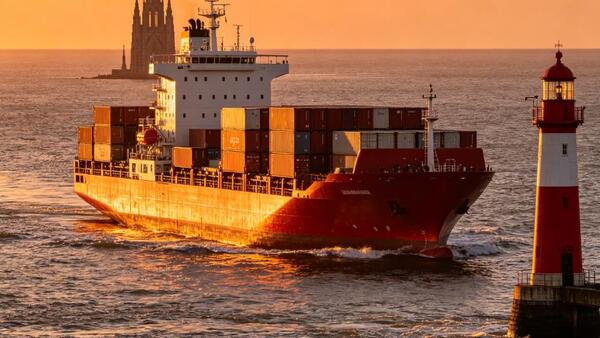
According to Freightos Baltic Index 2024–2025 trans-Pacific lane data, categorized vessel string allocation improves the comprehensive operational benefits of e-commerce supply chains by an average of 16%, balancing capital occupation pressure and sales operation stability.
What standardized operations optimize e-commerce freight vessel allocation?
Refined and standardized operational protocols help forwarders maximize the utilization value of fast boat and standard string resources for cross-border e-commerce shipping. Unified allocation rules reduce subjective decision deviations and sustain consistent service quality.
Establish standardized cargo classification rules: Forwarders should note that systematic classification of urgent, conventional and low-urgency cargo lays the foundation for rational vessel allocation. Unified classification criteria align team operational standards and reduce human judgment errors.
Monitor dynamic lane capacity fluctuations: Continuous tracking of trans-Pacific capacity changes supports dynamic adjustment of service allocation schemes. Operational teams can transfer partial cargo between fast and standard strings during abnormal market volatility.
Retain flexible emergency capacity buffers: The recommended approach is to reserve partial fast boat space for unplanned emergency replenishment orders. Reserved capacity enables rapid responses to sudden merchant inventory shortages.
Conduct periodic historical data analysis: Regular review of past shipment transit performance and cost data supports iterative optimization of allocation strategies. Data-driven adjustment improves the matching accuracy between cargo demands and shipping services.
A common mistake is applying fixed annual service allocation modes without adapting to seasonal lane variations. Static allocation strategies fail to respond to dynamic market shifts, resulting in avoidable cost waste or insufficient delivery efficiency.
How does refined vessel allocation boost long-term logistics service competitiveness?
Tiered and data-driven vessel string allocation enables forwarders to deliver dual-type service portfolios covering efficient premium shipping and cost-effective conventional shipping solutions. Diversified service frameworks accommodate layered procurement demands of cross-border e-commerce merchants.
In the evolving cross-border logistics market, merchants tend to select customized supply chain solutions that balance timeliness, cost control and operational stability, rather than single-dimensional shipping services. Forwarders with mature allocation capabilities can provide high-value customized logistics support for long-term cooperative clients.
Reasonable combination and dynamic scheduling of fast boat and standard string resources optimize the overall operational structure of China to USA Ocean Freight for cross-border e-commerce cargo, enabling global forwarding enterprises to consolidate client partnership stability and build differentiated service advantages in trans-Pacific maritime logistics markets.
Last
Comparing vancouver gateway rail links with direct east coast sea shipping lanes from qingdao to canada destinations
Qingdao to Canada Shipping features two prevalent logistics routes for cross-border containerized cargo movement: Vancouver-based
Next
Comprehensive cost analysis breakdown for moving project cargo from guangzhou to dubai cross border logistics hubs
Guangzhou to Dubai logistics for project cargo features multi-layered cross-border cost structures that shift with transport modes

