




Guangzhou to Dubai logistics for project cargo features multi-layered cross-border cost structures that shift with transport modes, cargo dimensional specifications, and terminal handling protocols across regional logistics hubs. Project cargo, including heavy-duty machinery, engineering equipment, and bulk construction materials, carries oversized dimensions and dead weight, resulting in more intricate cost compositions compared with general breakbulk and container freight. Global freight forwarders rely on precise cost breakdown frameworks to improve quotation accuracy and sustain stable profit margins in China-UAE cross-border logistics operations.
What constitutes the core cost components of Guangzhou to Dubai project cargo logistics?
Project cargo logistics expenditures for routes from Guangzhou to Dubai consist of four primary categories covering full-cycle shipping procedures, including transportation fees, terminal charges, cross-border clearance costs, and value-added auxiliary service expenses. These cost layers jointly shape total logistics spending and influence the operational profitability of forwarder project freight orders.
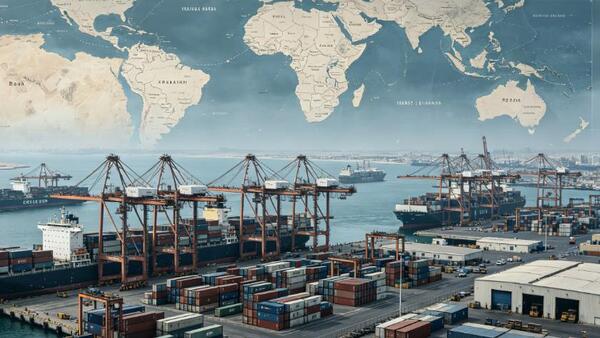
Basic transportation fees
Transportation fees represent the largest proportion of overall logistics costs and are divided into sea and air freight solutions for Guangzhou to Dubai project cargo movements. According to Freightos Baltic Index (FBX) early 2026 statistical data, ocean freight serves as a cost-efficient option for large-scale project cargo shipments, while air freight applies primarily to time-sensitive engineering spare parts. Unlike standard containerized goods, most project cargo requires custom breakbulk stowage or special equipment container leasing, creating flexible freight rates subject to cargo physical attributes.
Port terminal operational fees
Terminal handling fees are mandatory fixed charges imposed at origin and destination ports throughout cross-border shipping. Guangzhou’s Nansha and Huangpu Ports levy additional heavy-lift operational fees for oversized and overweight project cargo that requires specialized loading and unloading equipment. Jebel Ali Port in Dubai, a key regional transshipment hub in the Middle East, applies standardized terminal charging protocols for imported Chinese project cargo, with rate adjustments aligned with annual port operational policy updates. Such fixed charges are frequently overlooked in preliminary quotation drafting, which may reduce profit margins for less experienced logistics practitioners.
Cross-border clearance and compliance fees
Customs clearance and compliance fees are exclusive expenditures for project cargo due to stricter regulatory inspection standards compared with conventional commodity freight. UAE Customs enforces targeted document verification and attribute inspection for imported engineering machinery, mechanical components, and building materials from China. Professional compliance certification, official inspection applications, and technical document validation generate independent service fees, forming an essential part of full-cycle project cargo logistics costs.
How do sea freight costs differ for Guangzhou to Dubai project cargo?
Ocean freight is a widely adopted transport mode for Guangzhou to Dubai project cargo, with tiered cost structures covering base container freight, operational surcharges, and breakbulk handling fees for non-containerized oversized goods. Pricing standards vary significantly based on cargo specifications and seasonal carrier capacity.
Basic container freight fees: According to Drewry Q1 2026 global container freight monitoring data, average base rates for 20GP container shipments from Guangzhou to Jebel Ali Port range from $1,580 to $2,150, while 40HQ container rates sit between $2,280 and $3,050. Cargo exceeding standard weight or dimension thresholds triggers over-limit surcharges, lifting base freight costs by 14% to 24% in most shipment cases.
Standard port operational surcharges: Forwarders should note that terminal handling charges, official document fees, and maritime security surcharges constitute fixed recurring costs for every cross-border shipment. Combined departure port charges at Guangzhou ports range from $175 to $315 per container, and destination port fees at Jebel Ali Port add $195 to $345 per container, excluding ad-hoc inspection expenditures.
Breakbulk shipping service fees: For oversized project cargo incompatible with standard container loading, the recommended approach is to utilize professional breakbulk ocean freight services. The prevailing unit rate ranges from $155 to $205 per cubic meter, covering basic vessel stowage, cargo lashing, and standard marine insurance coverage for conventional engineering equipment.
Seasonal market fluctuation costs: A common mistake is neglecting periodic freight volatility in Middle East trade lanes. Increased infrastructure project procurement demand in the fourth and first calendar quarters tightens available vessel capacity, driving Guangzhou to Dubai breakbulk freight rates upward by 9% to 17% in most years.
What air freight cost items apply to urgent project cargo shipments?
Air freight services for Guangzhou to Dubai project cargo mainly apply to high-value, time-critical engineering accessories, with cost structures dominated by weight-based base freight and specialized cargo handling surcharges. Despite higher unit costs than ocean freight, air freight delivers faster transit to support continuous overseas project operation.
Basic air freight charges: Based on Q1 2026 air freight statistical data from ITC Trade Map, standard rates for general project spare parts shipped from Guangzhou Baiyun International Airport to Dubai International Airport range from $4.1 to $5.6 per kilogram, with billing calculated on the higher value of actual gross weight or volumetric weight.
Oversized and heavy cargo surcharges: Forwarders should note that project cargo exceeding standard air cargo dimension limits incurs heavy-lift handling surcharges of $1.1 to $1.9 per kilogram. Shipments requiring customized cargo fixation and independent loading arrangements generate additional per-order operational fees.
Airport terminal and security fees: The recommended approach is to integrate airport operational fees into client quotation frameworks in advance. Departure terminal fees at Guangzhou Baiyun Airport average $0.34 per kilogram, while fixed clearance and terminal service fees at Dubai airport range from $75 to $145 per shipment.
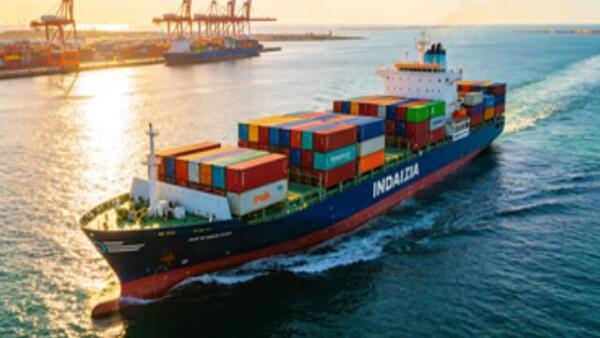
Priority cargo handling surcharges: A common mistake is excluding priority service fees from formal quotations. Time-sensitive project cargo utilizing priority air handling services sees overall freight costs rise by 18% to 28%, with transit durations shortened from 5–7 working days to 2–3 working days.
What hidden logistics costs affect project cargo profit margins?
Hidden operational costs represent a key factor influencing profit performance for Guangzhou to Dubai project cargo logistics businesses. These expenditures arise from non-standardized operational links and adjustable policy-based charges, which are not included in conventional base freight quotations but incurred during actual cross-border delivery.
Customs inspection and incidental fees: According to 2025 UAE Customs regulatory updates, project cargo with incomplete technical parameter documentation faces a 12% random inspection probability. Official inspection service fees range from $290 to $480 per inspection instance, and clearance delays may result in temporary port warehousing expenditures.
Cargo insurance and risk premium fees: Forwarders should note that conventional cargo insurance policies fail to cover unique operational risks of engineering project cargo. Customized all-risk insurance for mechanical equipment applies premium rates of 0.3% to 0.5% of total cargo value, which is higher than insurance rates for general consumer commodities.
Port warehousing and transit storage fees: The recommended approach is to minimize prolonged port storage periods. Project cargo pending vessel booking confirmation or customs clearance processing incurs storage fees of $24 to $38 per cubic meter per day at both Guangzhou and Dubai port terminals.
Document revision and certification fees: A common mistake is underestimating cumulative document adjustment expenditures. Cross-border project cargo transportation requires UAE-specific engineering qualification certification and commodity attribute verification, with formal document revision fees ranging from $48 to $115 per modification for technical parameter corrections.
How can forwarders optimize Guangzhou to Dubai project cargo cost control?
Cost optimization for Guangzhou to Dubai cross-border project cargo logistics requires balanced management of transport efficiency, compliance risks, and market price fluctuations. Targeted adjustments to each cost module based on cargo characteristics support stable operational development for Middle East logistics service providers.
Adopt differentiated transport mode matching
Forwarders can select suitable transport solutions according to cargo volume and project timeline requirements. Large-volume, non-urgent engineering equipment is commonly arranged via breakbulk ocean freight to lower unit logistics expenditures, while small-batch critical spare parts adopt scheduled air freight to prevent project suspension losses. According to UNCTAD 2025 maritime logistics industry reports, scientific transport mode matching helps reduce comprehensive logistics costs for China-Middle East project cargo shipments by 11% to 17%.
Standardize pre-shipment compliance management
Systematic document sorting and pre-clearance compliance verification effectively reduce hidden cross-border operational costs. Forwarders can sort out UAE Customs’ technical certification requirements for project cargo in advance and complete document review before shipment scheduling, which lowers the risk of inspection delays and repeated document revisions. Long-term cooperation with professional local clearance teams helps stabilize compliance costs and improve customs clearance pass rates.
Implement dynamic market price monitoring
Continuous tracking of industry freight indices helps mitigate seasonal cost volatility risks. Monitoring real-time fluctuation trends of FBX and Drewry freight indices enables forwarders to arrange shipment schedules during low-fluctuation market periods. Signing medium-term framework shipping contracts with mainstream carriers assists in locking base freight rates and offsetting market price variations.
In summary, refined cost decomposition and standardized operational management serve as core supports for sustainable profitability in Guangzhou to Dubai logistics project cargo services. Cross-border forwarders can optimize service competitiveness by sorting explicit and hidden cost compositions, avoiding frequent operational errors, and applying mature cost-control strategies to deliver stable, cost-efficient cross-border logistics solutions for global engineering project clients.
Last
Comparing fast boat allocation with standard strings for e commerce cargo leaving china to usa via ocean freight
E-commerce shippers and global freight forwarders commonly assess fast boat and standard vessel string allocation strategies to ba

Next
Customs document preparation checklist for streamlined retail container clearance when shipping from ningbo to germany via fcl
Ningbo to Germany FCL shipping serves as a prevalent containerized shipping solution for high-volume retail commodity exports, whe

