




Frequent carrier blank sailing adjustments continue to reshape cargo space planning and weekly booking tactics for logistics practitioners operating across Australia New Zealand Lanes, a capacity-sensitive short-sea trade corridor serving Oceania cross-border commerce. Regional liner carriers deploy blank sailings to balance vessel load factors, adjust operational capacity, and stabilize spot freight rates amid fluctuating bilateral cargo demand. For global freight forwarders, unplanned blank voyage announcements generate operational uncertainty, disrupting fixed weekly booking cycles and standardized client delivery schedules. Developing flexible, data-backed booking frameworks helps mitigate service disruptions and sustain stable supply chain performance for routine trans-Tasman shipments.
What are blank sailings in trans-Tasman maritime logistics?
Blank sailings refer to carrier-initiated voyage cancellations or port skips for scheduled liner services to align operational capacity with real-time market cargo demand. This capacity tuning method sees regular adoption on short-sea routes with dense liner service coverage such as Australia New Zealand Lanes.
According to UNCTAD 2024 Maritime Transport Review, Oceania short-sea corridors register moderate blank sailing occurrences throughout the year, with capacity adjustment activities extending beyond traditional off-peak shipping cycles. Continuous fine-tuning helps carriers adapt to periodic cargo volume fluctuations in regional markets.
Forwarders should note that blank sailings on Australia New Zealand Lanes include full voyage cancellations and partial port omission arrangements. Partial blank schedules that skip individual terminal calls create hidden cargo diversion risks for teams relying on rigid weekly port rotation planning.
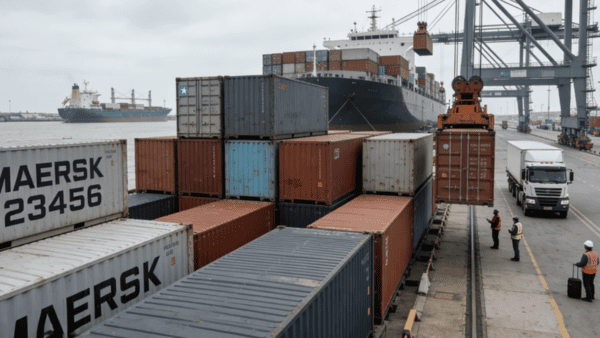
What drives blank sailing implementation on Australia New Zealand Lanes?
Carriers introduce blank sailings on trans-Tasman corridors to optimize capacity utilization, match vessel supply with cargo throughput, and maintain steady freight market conditions amid competitive regional shipping dynamics. Multiple operational and market variables contribute to periodic capacity adjustment activities.
Seasonal demand imbalance: Fluctuations in retail and industrial cargo throughput lower average vessel load factors across trans-Tasman routes. Carriers suspend redundant voyages to reduce overhead losses from underutilized vessel operations during low-demand cycles. Per Drewry 2025 regional short-sea analytics, moderate cargo demand decline serves as a common trigger for blank sailing arrangements in Oceania trade lanes.
Fleet maintenance and repositioning: Routine vessel dry docking, mechanical servicing, and cross-regional fleet reallocation require temporary voyage suspensions. Carriers adjust weekly schedules to uphold long-term fleet operational reliability across Australia New Zealand Lanes without sustained capacity reduction.
Regional capacity oversupply: Concurrent capacity deployment by multiple liner operators creates periodic supply surpluses in trans-Tasman markets. Coordinated blank sailing practices among mainstream carriers ease capacity oversupply and restrain continuous spot freight rate declines.
Port operational limitations: Temporary terminal congestion, scheduled berth maintenance, and port authority operational adjustments narrow valid vessel berthing windows. Carriers suspend specific voyages to avoid prolonged vessel anchorage and incremental port detention expenditures.
What operational challenges do blank sailings create for forwarder workflows?
Unpredictable blank sailing announcements introduce multi-dimensional operational challenges for forwarders’ weekly space booking workflows, influencing cargo arrangement efficiency and cross-border client service consistency. Most operational friction derives from information lags and inflexible traditional booking protocols.
Static schedule dependency risks: A common mistake is constructing weekly cargo plans solely based on published annual vessel rotations. Many forwarders confirm pickup and delivery timelines through fixed schedule data, without reserving operational buffers for unplanned blank sailing adjustments.
Deferred cargo delivery cycles: Cancelled voyages force qualified cargo to roll over to subsequent weekly sailings, extending overall transit lead times. Time-sensitive retail restocking and manufacturing input shipments face schedule deviations that affect downstream inventory planning for consignees.
Short-term freight volatility: Post-adjustment market phases often feature temporary capacity tightening. Concentrated cargo rollover raises booking demand for remaining valid voyages, contributing to mild spot rate fluctuations on regional lanes, based on FBX 2025 short-sea freight monitoring data.
Elevated client coordination workloads: Repeated schedule revisions require continuous communication with shippers and consignees to reset delivery expectations. Unaddressed blank sailing impacts increase daily operational coordination burdens and affect long-term client cooperation stability.
What adaptive booking tactics help mitigate blank sailing disruptions?
Adaptive weekly booking tactics enable forwarders to offset blank sailing-related disruptions and stabilize cargo delivery arrangements on competitive trans-Tasman shipping corridors. Flexible operational frameworks replace rigid schedule dependency to improve market risk resilience.
Maintain multi-carrier capacity resources: The recommended approach is to retain active booking credentials and seasonal space quotas with multiple mainstream carriers for Australia New Zealand Lanes. Diversified carrier partnerships support flexible cargo diversion when individual voyages face cancellation.
Apply segmented weekly booking patterns: Divide large-volume weekly cargo into segmented booking batches covering adjacent sailings. Segmented allocation reduces overall cargo rollover volume and operational losses triggered by single blank sailing events.
Track real-time carrier schedule updates: Integrate official carrier notification channels and professional freight data platforms to monitor pending blank sailing announcements in advance. Proactive risk identification allows timely cargo plan revision and transparent client pre-notification.
Implement reasonable transit buffer periods: Reserve flexible timeline buffers during cargo confirmation for conventional trans-Tasman shipments. Moderate time tolerance absorbs minor schedule fluctuations from periodic capacity adjustments and preserves delivery reliability.
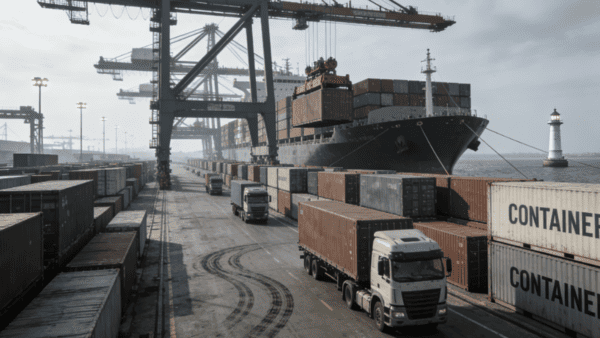
What long-term frameworks optimize trans-Tasman capacity risk management?
Long-term capacity risk management focuses on systematic workflow optimization rather than temporary emergency adjustments, supporting stable booking performance amid fluctuating Australia New Zealand Lanes market conditions.
Analyze seasonal blank sailing patterns: Compile quarterly and seasonal capacity adjustment records of mainstream carriers. Accumulated historical data supports accurate identification of high-risk adjustment cycles and proactive cargo scheduling optimization.
Negotiate flexible contractual clauses: Integrate adaptable space guarantee and cargo rollover terms within annual carrier contracts. Customized contractual frameworks help control incremental costs arising from unplanned voyage cancellations and capacity redistribution.
Optimize client cargo dispersion planning: Guide long-term clients to distribute time-sensitive cargo across multiple weekly sailings. Balanced cargo dispersion eases centralized booking pressure during capacity shortage phases after blank sailing implementation.
In recent years, growing regional shipping competition and flexible carrier capacity tuning have turned blank sailings into a recurring market activity across trans-Tasman shipping corridors. Forwarders with adaptive booking mechanisms and multi-angle risk response workflows can lower operational volatility and sustain steady service quality for cross-border shipping clients.
As regional liner capacity adjustment systems become more standardized, refined weekly space booking management develops into one of the commonly adopted competitive capabilities for logistics providers serving Australia New Zealand Lanes. Iterative strategy optimization and data-backed risk control help forwarders adapt to evolving market dynamics and deliver consistent, reliable trans-Tasman freight solutions.

Last
How local destination agents help global networks bypass landlocked transit roadblocks near critical africa port infrastructure lanes
Africa port infrastructure acts as vital maritime gateways that connect coastal container terminals to inland landlocked African e

Next
Forwarders operational guide to handling inland drayage security risks near major latin america customs gateways
Latin America Gateways connect regional customs checkpoints, inland transportation networks, and global shipping lanes, making inl

