




Latin America Gateways connect regional customs checkpoints, inland transportation networks, and global shipping lanes, making inland drayage security a critical operational priority for international freight forwarders. These port-adjacent and cross-border logistics corridors face evolving security threats that disrupt container circulation, elevate operational expenditures, and trigger cargo liability disputes. Recent verified regional logistics statistics indicate a gradual rise in inland freight security incidents across key Latin American trade corridors.
What are the primary inland drayage security risks near Latin American customs gateways?
Inland drayage security risks around Latin American customs gateways refer to safety and compliance hazards affecting container trucking operations between coastal container terminals, inland freight depots, and cross-border inspection stations. These risks mainly involve cargo theft, fraudulent intervention behaviors, and procedural irregularities that hinder cross-border transit efficiency.
According to the TT Club & BSI Consulting 2024 Cargo Theft Report, around 76% of cargo security incidents recorded in Latin America take place on inland road routes, with lower incident volumes observed in maritime shipping and terminal storage links. Road-related security hazards constitute a major part of regional logistics vulnerabilities, as organized criminal groups frequently target high-value containerized shipments in customs-supervised transit corridors.
Security vulnerabilities on Mexican inland transit corridors
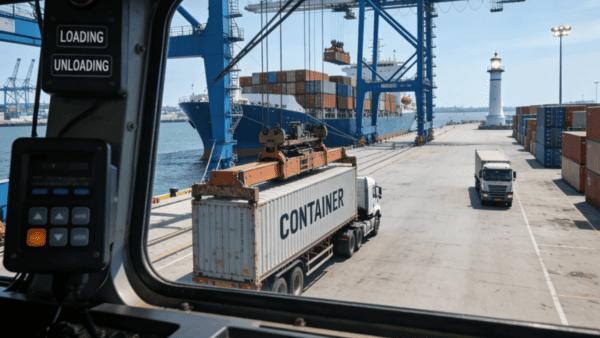
Inland trade routes in Mexico represent a high-risk operational area for cross-border drayage businesses. 2025 regional logistics industry assessments document frequent truck hijacking and armed robbery cases along corridors linking the Port of Manzanillo and other Pacific coastal terminals to inland customs clearance hubs. Many security incidents are executed by criminal groups posing as legitimate carriers or setting up unapproved roadside inspection points to intercept container cargo illegally.
Security challenges surrounding Brazilian port inland networks
Inland drayage systems serving Brazil’s Port of Santos encounter distinct security challenges associated with highway congestion and insufficient monitoring on rural road segments. Staged traffic collisions and falsified document verification attempts are common tactics adopted for unauthorized cargo diversion. Such irregular activities mostly occur at secondary customs inspection sites with limited on-site security staffing resources.
A common mistake is that many global forwarders apply universal international drayage security protocols to Latin American transit routes without adaptive adjustments for local threat characteristics. Generic security management frameworks fail to address region-specific fraud tactics and highway-based hazards, leaving in-transit shipments exposed to avoidable economic losses.
Why do inland security threats persist around regional customs gateways?
Sustained inland drayage security risks near Latin American customs gateways arise from fragmented regulatory enforcement mechanisms and inconsistent security infrastructure coverage across regional trade corridors. These structural deficiencies create long-standing vulnerabilities for cross-border container transportation activities.
Uneven law enforcement and infrastructure coverage
Remote inland transit routes suffer from imbalanced law enforcement coverage and insufficient surveillance facilities. Most secondary highways connecting coastal terminals to inland customs depots lack continuous video monitoring and regular patrol arrangements, particularly during overnight transit periods. Criminal organizations take advantage of these underregulated road segments to target unattended container trucks with low intervention risks.
Inconsistent regional customs operational standards
Divergent procedural standards across Latin American customs authorities further amplify operational security risks. Different countries and regional administrative regions adopt varied document verification rules and cargo inspection workflows. Regulatory discrepancies create operational confusion for local drayage teams and provide exploitable opportunities for document falsification and illegal cargo diversion.
According to UNCTAD 2025 regional logistics monitoring data, fragmented border clearance and inland transit regulations contribute to approximately 30% of systemic supply chain disruptions in Latin America. These procedural inconsistencies not only slow down cargo clearance procedures but also weaken unified security supervision over inland drayage operations.
Forwarders should note that security vulnerabilities in Latin American inland logistics corridors are sporadic yet systematic problems caused by regulatory fragmentation and infrastructure shortcomings. Short-term monitoring optimization measures cannot completely resolve these long-term structural deficiencies in regional security systems.
What core operational losses do drayage security incidents cause for forwarders?
Inland drayage security breaches near Latin American customs gateways bring quantifiable financial losses and operational obstacles to global forwarding enterprises engaged in regional cross-border shipping. The negative impacts cover direct cargo losses and long-term indirect operational damages.
Direct economic losses from cargo security incidents
Cargo loss and damage compensation claims impose substantial financial pressure on forwarding businesses. Verisk CargoNet 2024 industry statistics show that inland cargo security incidents in Latin America generated over $450 million in verified economic losses within the year, with industrial materials and consumer goods shipments accounting for a large proportion of affected cargo. Forwarders often undertake partial or full liability compensation for shipments with insufficient insurance coverage.
Indirect operational and business losses
Security-triggered shipment disruptions further undermine corporate operational profitability. Delays caused by cargo security incidents may lead to vessel missing, prolonged container yard dwelling, and accumulated detention and demurrage charges. Unplanned extra expenditures interfere with cost budgeting and narrow the profit margins of long-term freight service contracts.
Continuous shipment disruptions also impair client cooperation stability and market reputation. Global manufacturing and retail enterprises rely on stable regional supply chains for inventory scheduling and production arrangement. Frequent security-related delivery delays increase operational workload for forwarders and may trigger cooperation disputes with core clients.
What actionable security protocols optimize inland drayage risk control?
Freight forwarders can mitigate inland drayage security risks near Latin American customs gateways through multi-layered, regionally adapted operational workflows. The following practical measures support proactive threat prevention and standardized incident disposal for regional inland transit businesses.
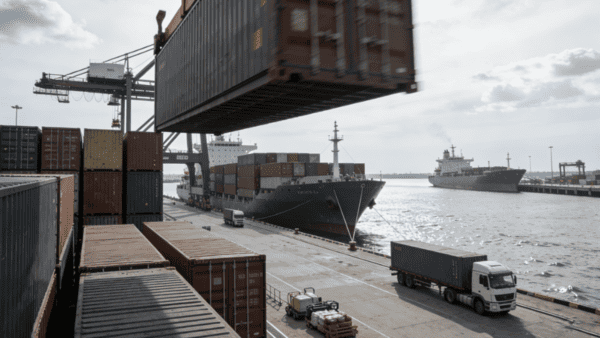
Conduct comprehensive carrier qualification verification for all local drayage partners. Forwarders may check carrier license validity, historical incident records, and fleet security evaluation data before approving inland transit arrangements to screen out underqualified local operators.
Deploy real-time GPS tracking supervision to achieve full visibility of container transportation. Maintain continuous monitoring of truck operation status on high-risk road sections and set up instant notification mechanisms for unauthorized route deviation or abnormal long-time parking.
Arrange daytime-focused transit planning for high-risk transportation corridors. The recommended approach is to reduce overnight drayage arrangements on rural highways with limited security coverage, where most cargo security incidents take place.
Standardize container sealing and document inspection processes prior to customs declaration. Verify container seal completeness and shipping document consistency at terminal departure points and intermediate inspection sites to prevent fraudulent cargo replacement behaviors.
Establish local emergency response cooperation mechanisms with regional logistics security institutions. Build efficient communication channels with local professional security teams to improve response efficiency and loss control effects during unexpected security incidents.
How can forwarders standardize long-term drayage security compliance?
Sustained drayage security compliance near Latin American customs gateways relies on standardized internal operational systems that adapt to regional regulatory characteristics. Complete compliance mechanisms help reduce repeated security risks and improve the stability of cross-border shipment operations.
Implement tiered risk management for transit routes
Classifying inland transit corridors by risk level supports reasonable allocation of security management resources. Forwarders can divide regional routes into high, medium and low-risk tiers based on historical incident statistics, road infrastructure conditions and customs inspection density. Tiered risk classification guides differentiated transit scheduling and manpower allocation schemes.
Strengthen regular regional security skill training
Continuous professional training effectively improves the emergency response capability of frontline teams. Operational staff and local drayage crews need regular updates on emerging regional fraud tactics, fake checkpoint identification methods and standardized incident disposal procedures matching Latin American logistics scenarios.
Forwarders should note that active compliance and risk prevention bring higher operational resilience than passive incident handling. Regular workflow iteration and risk database updates help forwarding enterprises adapt to continuously evolving security threats in regional cross-border logistics corridors.
How will evolving regional security trends impact future drayage operations?
Ongoing upgrades of regional logistics security infrastructure and cross-department regulatory coordination are gradually optimizing inland drayage operational environments around Latin American customs gateways. Digital customs transformation and inter-governmental cooperation bring steady improvements to regional transit stability.
Digital customs transformation reduces manual operation risks
An increasing number of Latin American customs authorities are promoting electronic declaration and automated cargo inspection systems. Digitalized operational processes reduce manual intervention links, lowering the occurrence probability of document tampering and fraudulent operations in inland drayage scenarios.
Infrastructure upgrades enhance regional road security
Multiple regional governments are investing in roadside surveillance equipment upgrading and mobile patrol system optimization for key trade corridors. Improved public security infrastructure plays a positive role in restraining organized cargo theft and illegal interception behaviors in high-incidence areas.
Despite the overall improvement of regional logistics security environments, partial remote inland road segments still face persistent security loopholes in the medium term. Forwarders need to retain flexible and risk-sensitive operational strategies to adapt to dynamic regional security changes.
As cross-border trade scale keeps expanding in South and Central America, refined inland security management serves as a core guarantee for stable logistics operation at Latin America Gateways. Through multi-layered risk prevention mechanisms, standardized compliance workflows and localized emergency response systems, global freight forwarders can effectively control inland drayage security risks and deliver reliable cross-border freight services for global trade clients.
Last
How carrier blank sailing announcements alter weekly space booking strategies on competitive australia and new zealand lanes
Frequent carrier blank sailing adjustments continue to reshape cargo space planning and weekly booking tactics for logistics pract
Next
Evaluating transshipment productivity levels and container dwell times across southern european mediterranean primary shipping hubs
Southern European Mediterranean primary shipping hubs form the core logistics framework for east-west maritime trade routes, and s

