



China to Europe Rail accommodates growing volumes of hazardous material shipments for cross-border intercontinental transport, requiring global freight forwarders to master standardized legal liability rules and professional insurance clause specifications. Hazardous cargo logistics involves multi-jurisdictional border supervision, where non-compliant operational behaviors may trigger contractual penalties, administrative fines and measurable cargo loss risks. Familiarity with formal legal and insurance protocols helps logistics practitioners mitigate common operational risks in cross-border hazardous goods transportation.
What legal frameworks regulate dangerous cargo rail transportation?
Cross-border hazardous cargo transportation via intercontinental rail routes is regulated by unified international rail conventions and bilateral cross-border transportation policies. These standardized frameworks define cargo classification criteria, packaging specifications and operator liability scopes for cross-border hazardous freight movements.
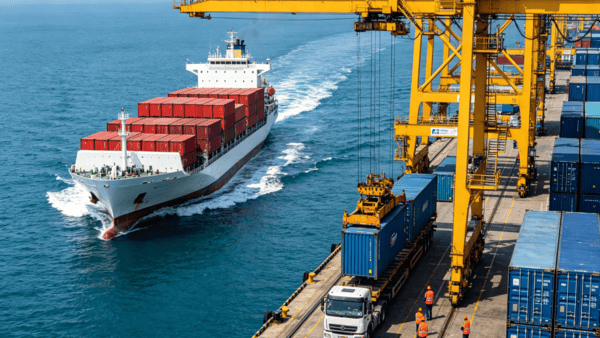
Core international and domestic regulatory systems
The mainstream compliance systems applicable toChina to Europe Rail hazardous cargo logistics cover the International Carriage of Dangerous Goods by Rail (RID) and domestic railway hazardous goods management regulations issued by Chinese transportation authorities. All cross-border rail shipments involving flammable, corrosive, toxic and radioactive substances need to follow unified classification and operational standards.
Cross-border compliance risk characteristics
According to WTO 2024 cross-border logistics compliance statistics, a large proportion of China-Europe rail hazardous cargo disputes arise from inconsistent implementation of international and domestic regulatory standards. Multi-country border inspection mechanisms make unified cross-border compliance a key prerequisite for stable shipment execution.
Forwarders should note that individual European nations maintain localized supervision rules for inbound hazardous cargo. Compliance with single regional regulatory standards cannot cover all potential legal risks throughout intercontinental rail transportation procedures.
What core legal liabilities do forwarders need to bear?
Freight forwarders undertaking rail-based hazardous cargo shipments carry standardized legal liabilities related to cargo declaration, packaging inspection and documentary submission. Non-compliant operational acts may result in economic losses and administrative sanctions.
Inaccurate cargo declaration liabilities: A common mistake is the incomplete or falsified declaration of hazardous cargo attributes and hazard grades. Such irregularities can lead to border detention, customs penalties and shipment repatriation, incurring extra logistics expenditures and client compensation obligations.
Non-compliant packaging supervision liabilities: Forwarders hold supervisory responsibility for verifying whether hazardous cargo packaging conforms to RID rail transportation specifications. Substandard shockproof, sealing and leakproof packaging may trigger safety incidents and subsequent liability confirmation disputes.
Incomplete document submission liabilities: Cross-border hazardous cargo delivery requires complete safety certification documents, hazardous material specification sheets and official inspection reports. Missing supporting paperwork disrupts border clearance procedures and causes shipment delays.
Improper cargo stowage liabilities: Mixed stowage of hazardous goods and general cargo violates international rail safety management specifications. Forwarders need to audit stowage plans to prevent safety hazards and associated regulatory sanctions.
What key insurance clauses apply to rail dangerous cargo?
Specialized insurance clauses for hazardous rail cargo cover unique risk scenarios during intercontinental transit, border clearance and terminal handling processes. These clauses differ substantially from general cargo insurance in liability coverage scope and exemption provisions.
Differences between ordinary and hazardous cargo insurance
Conventional freight insurance products exclude most high-risk scenarios related to hazardous materials, while rail-specific hazardous cargo insurance offers targeted coverage for leakage, combustion, corrosion and mechanical damage during transit. It provides professional risk transfer solutions for high-risk cross-border logistics scenarios.
Industry claim data and practical problems
According to Drewry 2026 global freight insurance industry reports, over 60 percent of hazardous cargo claim cases on intercontinental rail routes fail to acquire full compensation due to improper insurance selection and unfamiliarity with clause terms. In-depth understanding of insurance provisions supports effective operational risk transfer.
Transit risk coverage clauses: Professional hazardous cargo insurance underwrites cargo losses caused by rail vibration, accidental collision, route jolting and adverse meteorological conditions during intercontinental transportation. It provides basic risk protection for full-process rail freight movements.
Border inspection exemption clauses: Most insurance policies exclude losses caused by intentional violations of regulatory requirements. Insurance institutions refuse compensation for damages arising from false declaration or substandard cargo packaging.
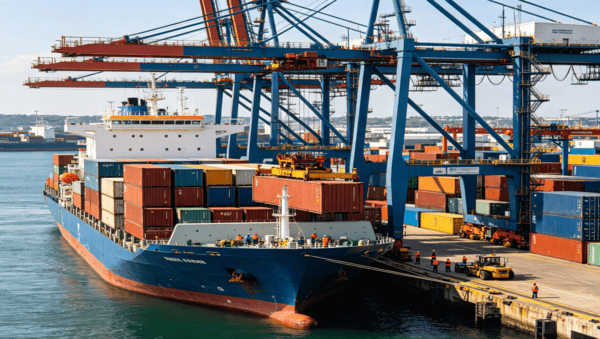
Third-party liability clauses: Qualified hazardous cargo insurance includes third-party liability compensation, covering equipment damage and personal injury triggered by cargo leakage or safety incidents during rail transportation.
Delay loss exemption clauses: Most rail cargo insurance schemes do not cover economic losses caused by shipment delays. Forwarders need to apply for extended insurance add-ons for time-sensitive hazardous cargo orders.
How to standardize operational procedures to reduce liability risks?
Standardized pre-shipment inspection and standardized operational workflows help reduce legal disputes and unsuccessful insurance claims for rail-based hazardous cargo transportation. Refined risk control measures adapt to multi-border supervision requirements.
Implement rigorous cargo classification verification: The recommended approach is to verify UN hazardous goods classification standards for all consignments before departure. Accurate classification matches corresponding packaging, stowage and declaration standards to reduce compliance risks.
Optimize insurance coverage configuration: Forwarders should note that high-grade hazardous cargo requires enhanced insurance coverage beyond basic policy terms. Supplementary clauses for special hazard scenarios fill protection gaps in cross-border rail logistics.
Organize complete cross-border compliance documents: Prepare multilingual hazardous cargo certificates, safety data sheets and inspection reports in advance. Comprehensive document sets improve border clearance efficiency and reduce compliance disputes.
Arrange pre-shipment operational training: Provide on-site teams with standardized training on rail hazardous cargo handling rules. Standardized stowage and handling operations lower the occurrence rate of safety incidents and liability disputes.
How to handle post-incident liability and insurance claims?
Standardized post-incident disposal workflows support forwarders in clarifying liability attribution and completing insurance claim procedures efficiently. Timely and standardized processing reduces overall economic losses of logistics projects.
Standard post-incident disposal steps
When cargo damage, leakage or compliance incidents occur, forwarders need to retain on-site evidence, notify insurance institutions in a timely manner and submit formal claim applications within the regulated period. Cross-border rail hazardous cargo claims involve multi-party regulatory verification, making standardized evidence retention essential.
Common claim errors to avoid
A common mistake is delayed incident reporting and incomplete evidence submission, which may lead to claim rejection or reduced compensation amounts. Sustained communication with insurance providers and regulatory authorities facilitates steady claim progress.
With the growing trade volume of industrial hazardous materials between China and European regions, standardized legal compliance and insurance risk management have become vital capabilities for cross-border freight service providers. With adaptive regulatory mechanisms and systematic insurance guarantee systems, China to Europe Rail supports compliant and stable hazardous cargo transportation services for global forwarders engaged in intercontinental cross-border logistics.

Last
Moving high volume industrial machinery via the intercontinental china overland express networks to europe by rail
China to Europe Railhas become a prevalent intercontinental logistics solution for transporting high-volume industrial machinery,
Next
Managing multi supplier cargo consolidation networks through major interconnected ports inside the southeast asia regional hubs
Southeast Asia Hubs serve as the core regional logistics pivot for cross-border cargo consolidation, connecting dispersed regional