




China to Europe Rail features fluctuating transit durations and terminal handling performance across different seasons, making seasonal efficiency comparison a vital reference for global forwarders to formulate cross-border freight schedules. Seasonal variations in cargo throughput, border inspection intensity, and terminal operational pressure affect rail transit cycles and cross docking outcomes, bringing adjustable operational variables to seasonal China-Europe freight transportation. Mastering these seasonal differences enables logistics practitioners to optimize cargo scheduling and mitigate avoidable transit delays.
How do seasonal shifts influence transit cycles of China-Europe rail freight?
Seasonal climate variations and fluctuating cross-border trade activities bring measurable changes to the transit cycles of rail freight operating between Chinese and European logistics hubs. Such variations originate from port congestion, weather-induced route adjustments, and periodic cargo volume surges throughout the calendar year.
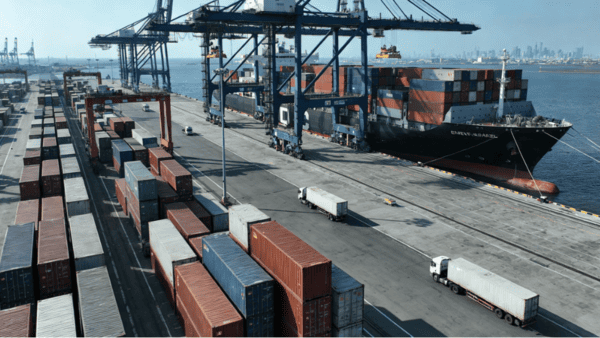
Transit performance in peak shipping seasons
Intercontinental rail freight shows noticeable phased differences in operational efficiency during peak and off-peak periods. The conventional freight peak season covers September through December, when rising export volumes increase train marshalling pressure at major inland rail terminals in China. According to UNCTAD 2025 intercontinental logistics monitoring data, the average transit cycle of China-Europe rail freight extends by 1 to 3 days during peak seasons, compared with steady off-peak operational periods.
Transit performance in low-temperature seasons
Cold winter conditions create minor operational delays for northbound rail routes crossing Central Asia and Eastern Europe. Low ambient temperatures may trigger routine track maintenance and rolling stock equipment inspections, prolonging border clearance processing hours. Spring and autumn months present stable meteorological conditions, supporting continuous rail route operation with relatively consistent transit cycles.
Forwarders should note that seasonal transit time fluctuations are predictable and manageable through scientific shipment planning. Advance cargo reservation and off-peak dispatching arrangements can offset seasonal delays and sustain stable delivery timelines for regular client shipments.
What constitutes terminal cross docking efficiency for rail freight operations?
Terminal cross docking efficiency refers to the accuracy and speed of cargo transfer, sorting, and reloading at rail hubs without prolonged warehousing procedures, which determines the overall turnover capacity of seasonal rail freight networks. It acts as a core metric for assessing comprehensive rail logistics service quality.
Cross docking serves as one of the commonly adopted operational modes for China to Europe Rail seasonal freight, applicable to batch general goods, seasonal consumer commodities, and industrial auxiliary materials with high turnover demands. Unlike traditional warehousing-centric logistics models, cross docking eliminates long-duration storage processes and enables direct cargo transshipment between inbound and outbound trains or connecting road transport vehicles.
According to ITC Trade Map 2024 seasonal trade analysis data, cross docking cargo throughput at core China-Europe rail terminals accounts for over 55 percent of total seasonal freight volume. Standard cross docking workflows reduce cargo dwell duration at terminals and improve the overall circulation efficiency of cross-border rail shipments.
What seasonal discrepancies exist in terminal cross docking performance?
Terminal cross docking operational efficiency varies across seasons due to changing cargo volumes, human resource scheduling, and mechanical equipment load conditions. Off-peak periods maintain steady operational status, while peak seasons generate notable operational constraints.
Peak season operational constraints: A common mistake is neglecting terminal load pressure during annual freight active periods. Concentrated cargo inflow increases sorting complexity, extends vehicle queuing time, and reduces single-shift cross docking throughput, which may lead to cargo accumulation at terminals under severe operational pressure.
Off-peak season steady operation status: From January to April each year, most core China-Europe rail terminals retain sufficient handling capacity and idle mechanical resources. Standard cross docking workflows can be fully implemented to sustain consistent cargo transshipment speed and low operational error rates.
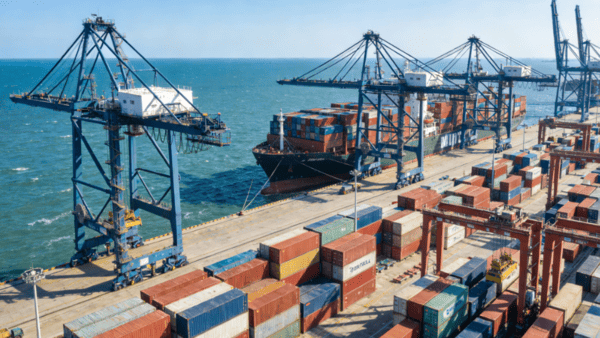
Holiday-induced efficiency fluctuations: Statutory holidays in China and European nations affect terminal staffing arrangements and customs clearance progress. Cross docking workflows slow moderately during holiday transition periods, resulting in short-term declines in overall freight turnover efficiency.
What practical methods optimize seasonal rail freight operational efficiency?
Targeted operational tactics can balance seasonal transit time variations and cross docking efficiency fluctuations for China-Europe rail freight. Reasonable scheduling and terminal operation matching help forwarders stabilize service quality across different seasons.
Optimize seasonal shipment allocation plans: The recommended approach is to distribute high-volume orders to off-peak periods whenever feasible. For shipments requiring peak-season dispatch, forwarders can reserve fixed train slots in advance to mitigate delays caused by intensive marshalling work.
Secure terminal priority cross docking resources: Forwarders should note that large-batch seasonal cargo can access priority terminal transshipment services via long-term cooperative partnerships. This practice shortens cargo dwell time and lowers the risks of peak-period cargo accumulation.
Standardize cargo packaging and pre-sorting work: Unified cargo packaging specifications and pre-classified cargo sorting before terminal warehousing accelerate cross docking procedures. Standardized cargo parameters reduce manual sorting workload and lift overall terminal operational efficiency.
Build seasonal risk response mechanisms: Practitioners can monitor real-time terminal throughput, meteorological early warnings, and border clearance updates. Timely adjustment of transportation plans reduces efficiency losses stemming from unexpected seasonal operational variables.
How to conduct comprehensive seasonal rail freight efficiency evaluation?
Comprehensive seasonal rail freight efficiency assessment incorporates transit cycle stability and cross docking operational performance, assisting forwarders in designing long-term cross-border freight strategies. Multi-dimensional evaluation indicators deliver objective and referable assessment results for business layout.
Key evaluation metrics cover terminal cargo turnover ratio, cross docking error rate, peak-period delay ratio, and seasonal freight cost fluctuation range, alongside basic transit time data. According to Drewry 2026 global rail logistics evaluation criteria, logistics service providers with stable seasonal efficiency indicators hold stronger cooperative appeal in cross-border freight markets.
Forwarders can screen qualified rail line resources through seasonal efficiency comparison data, match different types of client cargo with suitable shipping windows, and develop differentiated and refined logistics service solutions for seasonal freight demands.
As seasonal fluctuations in global trade activities become normalized, precise management of transit cycles and terminal cross docking efficiency has become a core operational capability for cross-border freight practitioners. With flexible scheduling space and standardized terminal operation systems, China to Europe Rail provides stable and reliable seasonal freight circulation support for global forwarders engaged in China-Europe cross-border logistics businesses.
Last
Comparing warehouse handling charges standards for electronics distribution across rival southeast asia logistics hubs
Southeast Asia Hubs serve as core regional distribution nodes for cross-border electronics freight, with varied warehouse handling
Next
Avoiding severe peak season destination drayage gridlocks on lanes heading from asia manufacturing hubs to north america
Peak-season inland drayage congestion poses prominent operational disruptions for container cargo moving via Asia to North America

