




Shipping from Ningbo to Busan is a core intra-Asia short-sea trunk line that enables global freight forwarders to balance operational expenditures and stabilize net service returns throughout 2025 and 2026. A scientific cost-benefit analysis allows forwarding enterprises to rationalize budget allocation, select appropriate booking modes, sustain healthy profit margins and consolidate long-term contractual shipper partnerships on this mature regional trade lane.
What does cost-benefit analysis mean for Ningbo to Busan sea freight forwarding?
Cost-benefit analysis for short-sea forwarding refers to comparing total logistics operational expenditures against long-term service revenue gains to formulate sustainable and financially viable business strategies.
This professional financial assessment covers core ocean freight charges, terminal handling dues, documentary compliance expenses, manpower operation costs and risk contingency reserves, paired with long-term client retention value and steady container volume revenue. Unlike volatile deep-sea long-haul routes with drastic market swings, the Ningbo-Busan short-sea lane features transparent cost structures and predictable profit cycles suitable for annual financial budgeting.
According to UNCTAD 2025 Northeast Asia short-sea shipping economic performance data, cost structure stability on regional feeder routes effectively improves forwarders’ annual operational profitability by lowering unplanned emergency expenditure and financial loss risks.
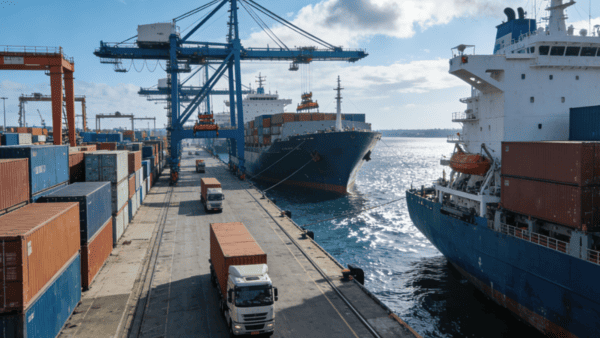
What core cost components constitute Ningbo to Busan sea freight total expenditure?
The overall logistics expenditure of this maritime route includes fixed recurring charges and variable operational costs that forwarders must precisely manage for stable financial risk control.
Base ocean freight for FCL and LCL container consignments: Basic ocean freight represents the primary carrier carriage charge, excluding terminal surcharges, document fees and other port-side accessory expenses. Forwarders should note that long-term contracted freight rates deliver higher financial stability compared to volatile spot market rates for recurring regular shipments.
Terminal handling and port statutory accessory dues: These fixed port-side charges cover container loading, discharge, berth occupancy and basic terminal administrative fees at both Ningbo-Zhoushan Port and Busan Port terminals. A common mistake is overlooking periodic terminal fee revisions, which gradually lift overall logistics operational costs over consecutive quarters.
Documentary processing and customs clearance compliance fees: This cost category includes document preparation, data validation, customs declaration filing and professional labor expenses for regulatory clearance procedures. The recommended approach is to streamline documentary SOPs to reduce repetitive manual work and cut unnecessary labor-related operational costs.
Risk contingency budget for shipment exceptions and cargo rearrangement: Contingency funds cover unplanned expenses such as official document amendment fees, terminal temporary storage levies and cargo rehandling charges incurred during peak shipping season capacity tightening.
How do spot rates and contract rates differ in cost structure for this short-sea route?
Spot market freight rates and long-term contractual freight rates feature distinct fluctuation ranges and budget stability levels for forwarders’ daily financial and operational management.
What is the latest 2026 freight rate fluctuation trend for Ningbo to Busan?
According to Freightos Baltic Index (FBX) 2026 Q1 intra-Asia short-sea freight benchmark data, container freight rates on the Ningbo to Busan route show mild cyclic fluctuations without extreme spikes or sharp declines, supporting reliable long-term cost budgeting for forwarders and manufacturing shippers.
Why do contractual rates support better long-term cost control management?
Long-term carrier contractual rates lock in fixed pricing on quarterly or semi-annual terms, avoiding sudden spot market price surges during traditional peak shipping windows. Forwarders should note that contractual rate planning effectively prevents profit margin compression caused by short-term market volatility and unstable spot transaction pricing.
What hidden additional costs continuously erode forwarding profit margins on this lane?
Unplanned hidden operational costs frequently reduce forwarders’ net profit even when base ocean freight pricing remains stable on the Ningbo to Busan shipping corridor.
Container detention and terminal prolonged storage levies: Customs clearance delays and delayed container return lead to accumulating detention and terminal storage fees, substantially raising total per-shipment logistics expenditure. A common mistake is disregarding documentary preparation timelines, resulting in avoidable container occupancy overtime and extra terminal charges.
Urgent document revision and expedited handling administrative surcharges: Last-minute data amendments and rush customs clearance processing generate extra manpower input and carrier administrative correction fees. The recommended approach is to finalize all cargo and document data before official cutoff to eliminate emergency revision requirements.
Vessel rollover and subsequent cargo rescheduling rehandling fees: Vessel rollovers caused by late document submission or temporary capacity shortages trigger additional booking adjustment and rehandling fees for the next available liner sailing.
Client compensation and after-sales labor service expenses: Shipment delays and operational service discrepancies may result in client compensation claims and increased after-sales communication workloads, raising overall long-term operational overheads.
What long-term core business benefits do forwarders obtain from this maritime route?
Sustained stable cooperation on the Ningbo to Busan maritime route provides forwarders with steady client resources, consistent container shipment volumes and reliable long-term revenue returns.
How does stable bilateral cargo volume sustain forwarder recurring revenue?
According to UN Comtrade 2025 China-South Korea bilateral trade monitoring data, manufacturing components and finished consumer goods cargo volumes maintain steady year-on-year growth, delivering continuous and predictable shipment demand for forwarder long-term revenue stability.
What service value helps forwarders expand regional market competitiveness?
Reliable, cost-controlled short-sea forwarding services improve forwarder market credibility and client loyalty, supporting sustainable business expansion within the highly competitive intra-Asia logistics market segment.
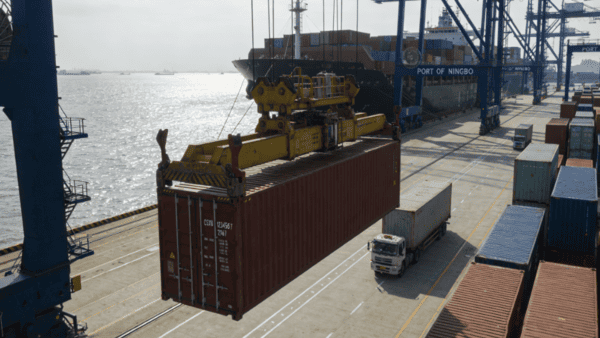
How can forwarders optimize cost allocation to maximize net profit performance?
Scientific cost allocation strategies and standardized operational optimization enable forwarders to cut redundant expenditure and improve overall route cost-benefit ratios efficiently.
Adopt long-term contracted space instead of frequent spot ad-hoc bookings: Fixed contractual container space stabilizes overall freight costs and avoids seasonal spot rate hikes, protecting basic profit margins for regular recurring client shipments. A common mistake is relying solely on spot bookings for long-term clients, resulting in unstable cost control and inconsistent service pricing.
Optimize internal operational workflows to reduce labor and error-related costs: Standardize documentary processing and booking workflows to minimize manual data entry and lower extra charges caused by operational errors. Forwarders should note that continuous workflow optimization creates cumulative long-term cost reduction benefits.
Set reasonable contingency budgets for seasonal shipping market fluctuations: Allocate moderate risk reserve funds to cope with periodic peak season cost variations without impacting annual overall profit performance. The recommended approach is to adjust contingency ratios based on quarterly shipping market trend analytics.
Strengthen long-term client partnerships to increase repeat shipment volumes: Maintain stable strategic cooperation with shippers to boost recurring shipment quantities and reduce average fixed operational costs per container, improving overall operational cost efficiency.
What critical cost-benefit management mistakes should forwarders avoid?
Improper short-term cost management decisions damage long-term profitability, even if individual single-shipment profit appears temporarily favorable for Ningbo to Busan sea freight business.
Prioritizing low spot rates without conducting full total-cost accounting: Focusing only on low base spot freight while ignoring potential detention, amendment and rehandling fees results in lower actual net profit. A common mistake is evaluating cooperation value purely based on basic freight rates without comprehensive total cost calculation.
Cutting necessary operational investment to reduce short-term service costs: Reducing essential document verification and operational staffing increases error probabilities and subsequent client compensation losses. Forwarders should note that proper operational investment prevents higher subsequent financial risks.
Neglecting latest market data updates for quarterly budget adjustment: Ignoring FBX and Drewry quarterly market trend data leads to inaccurate budget planning and passive cost management during market cycle changes.
Why does balanced cost-benefit management support sustainable forwarding business growth?
Balanced cost control and reasonable profit planning help forwarders stabilize service quality, lower operational risks and achieve long-term sustainable business development within the intra-Asia short-sea logistics industry.
Forwarders with mature cost-benefit management systems can provide clients with transparent, stable and predictable logistics cost solutions, strengthening core market competitiveness and long-term strategic partnerships. A common mistake is chasing short-term profits while ignoring long-term cost stability and sustainable service quality development.
Through scientific cost accounting, reasonable contractual capacity arrangement and standardized operational optimization, forwarders can maintain healthy profit margins and stable service delivery. Shipping from Ningbo to Busan remains a high cost-performance short-sea route delivering reliable long-term cost-benefit returns for global freight forwarders.
Last
The Impact of High-Frequency Sea Freight from Shanghai to Tokyo
Shipping from Shanghai to Tokyo functions as a core short-sea maritime trade artery within the Northeast Asian regional supply cha
Next
Expediting Documentation for Sea Cargo Moving from Ningbo to Busan
Shipping from Ningbo to Busan depends on precise and timely documentary processing workflows to facilitate seamless export customs

