




Shipping from Shanghai to Tokyo functions as a core short-sea maritime trade artery within the Northeast Asian regional supply chain. The rapid scaling of high-frequency liner schedules on this tradelane has fundamentally restructured daily operational workflows and B2B partnership models for global freight forwarding enterprises. As two premier hub ports in the region, Shanghai Port and Tokyo Port maintain robust bilateral cargo connectivity, handling containerized industrial inputs, finished manufactured goods, and cross-border e-commerce parcels for China-Japan trade flows. According to the Shanghai Shipping Exchange (SSE) 2025 Q2 preliminary freight data, the China-Japan container freight composite index maintained steady month-on-month stability, providing solid market fundamentals for the continuous expansion of high-frequency Shipping from Shanghai to Tokyo liner services.
What exactly constitutes high-frequency sea freight from Shanghai to Tokyo in professional maritime logistics?
High-frequency sea freight from Shanghai to Tokyo refers to fixed-weekly scheduled container liner services with standardized departure slots, consistent transit times, and regular berthing windows dedicated to cross-border containerized cargo movements between the two major hub ports. This liner service model is distinctly separate from tramp charter shipments and low-frequency irregular liner runs, designed exclusively to cater to recurring batch shipments and time-sensitive consignments for commercial shippers. Forwarders should note that this service model prioritizes schedule reliability and weekly voyage density, rather than mere vessel quantity expansion, to deliver consistent cargo delivery lead times for all shippers and consignees throughout the shipping cycle.
What core drivers fuel the growth of high-frequency Shanghai-Tokyo liner services after 2024?
The sustained growth of high-frequency liner operations on the Shanghai to Tokyo tradelane is primarily driven by resilient bilateral merchandise trade growth and deepened cross-border industrial integration between China and Japan. According to UN Comtrade 2025 provisional annual trade statistics, bilateral goods trade volume between China and Japan recorded a year-on-year uptick in 2024, with electronic components, automotive spare parts, and light consumer goods accounting for the largest share of containerized cargo volumes. The tightly integrated industrial supporting chain between Chinese manufacturing clusters and Japanese downstream assembly and distribution enterprises has directly boosted market demand for regular, high-reliability short-sea maritime transport capacity.
How do port infrastructure upgrades support frequent voyage expansions?
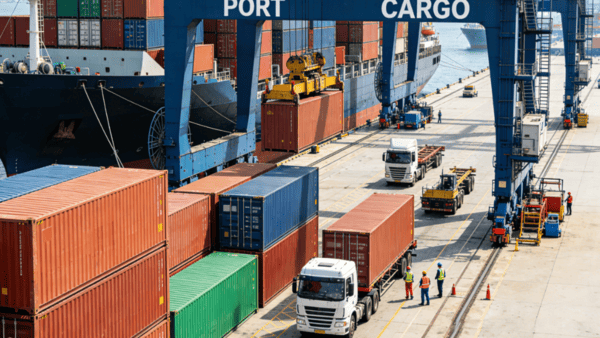
Port terminal efficiency upgrades and berth resource optimization at both origin and destination ports provide critical hardware support for scaling high-frequency liner departures. According to the Shanghai International Port Group (SIPG) 2025 official annual operational report, Shanghai Port achieved a container throughput of 52.1 million TEUs in 2024, with automated terminal handling systems cutting vessel turnaround time significantly to accommodate dense weekly liner rotations. Tokyo Port Authority 2025 terminal operation data also confirms that container berth renovation and stowage allocation optimization have shortened vessel berthing and unloading cycles, creating favorable terminal conditions for increased weekly voyage frequencies on the Shanghai-Tokyo shipping route.
How do high-frequency liner rotations impact Shanghai-Tokyo sea freight rate volatility?
High-frequency liner operations on the Shanghai-Tokyo tradelane effectively mitigate extreme freight rate fluctuations by balancing cargo demand and available vessel capacity across peak and off-peak shipping seasons throughout the year. According to Freightos Baltic Index (FBX) 2025 monthly short-sea route data, the China-Northeast Asia regional freight rate maintained a narrow fluctuation range between March and April 2025, with no abrupt short-term price surges or declines. This stable freight pricing trend enables global forwarders to formulate long-term logistics budgeting and client quotation plans with high cost predictability.
Mitigates seasonal cargo demand imbalances: Dense weekly vessel departures disperse peak-season cargo congestion and prevent sharp freight spikes caused by concentrated cargo booking surges, allowing forwarders to sustain stable long-term client quotation frameworks across all calendar seasons.
Cuts empty container repositioning overhead costs: Balanced two-way cargo flows under high-frequency schedules improve container asset turnover efficiency, reducing additional financial expenditures incurred by long-distance empty container repositioning and lowering per-TEU comprehensive logistics costs for both carriers and forwarders.
Reduces emergency shipment premium surcharges: Abundant weekly voyage alternatives eliminate the need for costly last-minute emergency chartering or premium express freight upgrades for flexible-time cargo shipments, optimizing the overall cost structure of cross-border forwarding operations.
A common mistake is that many novice forwarding agencies prioritize short-term spot freight rates while overlooking the long-term cost stability delivered by high-frequency liner route operations. Low one-off spot prices appear economically advantageous initially, but unreliable voyage schedules often trigger additional port warehousing detention fees and cargo delay indemnity expenses in actual operational execution. The recommended approach is for forwarders to execute long-term service framework agreements with established carriers operating high-frequency Shanghai-Tokyo liner routes to lock in stable freight tariffs and guaranteed voyage booking quotas for sustainable business development.
What supply chain performance gains do frequent Shanghai-Tokyo sea freight voyages offer forwarders?
Frequent liner voyages between Shanghai and Tokyo effectively compress cargo inventory holding cycles and elevate end-to-end supply chain turnover efficiency for global forwarding service providers and their industrial clients. Short-sea shipping with multiple weekly departure slots allows shippers to adopt small-batch, frequent-delivery inventory strategies, replacing traditional large-volume consolidated shipments to optimize overall logistics expenditure. This operational model aligns perfectly with the just-in-time production methodology widely adopted by Japanese manufacturing firms and the fast replenishment needs of cross-border e-commerce distribution networks.
Compresses cargo transit and order fulfillment lead times: High-frequency departure slots enable immediate cargo loading post-customs clearance, eliminating prolonged waiting periods associated with low-frequency liner schedules and ensuring timely delivery of production materials and market inventory for Japanese downstream enterprises.
Enhances customized shipment flexibility for end clients: Forwarders can design differentiated shipment arrangements based on client cargo urgency and inventory pressure thresholds, delivering tailored logistics solutions without limitations from rigid fixed-cycle voyage schedules.
Minimizes container detention and warehousing liability risks: Prompt vessel departure and fast port turnaround reduce cargo dwell time at port container yards and warehouses, lowering the risk of excess detention charges and physical cargo damage for forwarders and their contracted clients.
What core operational hurdles do forwarders face with high-frequency Shanghai-Tokyo sea freight management?
While high-frequency Shipping from Shanghai to Tokyo delivers substantial market and operational advantages, it also introduces new daily administrative and cross-departmental coordination challenges for forwarding companies specializing in Northeast Asian regional freight services. Dense weekly vessel departures require repetitive customs declaration, cargo inspection declaration, and shipping document lodgement workflows, mandating forwarders to maintain standardized internal operational teams and rigorous process control protocols. Any minor oversight in document preparation or customs coordination can directly result in vessel missed sailings and costly cargo delivery delays.
Elevates daily document and customs brokerage coordination workload: Multiple weekly voyages require continuous real-time updates to bill of lading data, customs declaration manifests, and cargo shipment documentation, increasing operational staff workload and requiring stricter internal workflow supervision and review mechanisms.
Raises requirements for real-time vessel and cargo tracking management: Frequent vessel departures and temporary berth adjustment events demand real-time monitoring of vessel schedules, port terminal operational status, and cargo discharge progress, requiring forwarders to deploy professional logistics management software and dedicated account management personnel.
Intensifies homogeneous market competition within the forwarding sector: The market popularity of high-frequency Shanghai-Tokyo liner routes attracts a growing number of forwarding enterprises to enter the regional market, intensifying industrial competition and pushing forwarders to upgrade service quality instead of relying solely on price adjustments to acquire clients.
Forwarders should note that addressing high-frequency shipping operational challenges cannot rely solely on expanding internal team headcount; optimizing digital operational management processes and strengthening long-term strategic partnerships with port terminals and licensed customs brokers represent more practical and effective solutions. The recommended approach is for forwarders to compile standardized operational SOPs specifically for high-frequency short-sea tradelanes, clarifying clear time deadlines and responsible staff for every workflow link from cargo booking confirmation to post-delivery service feedback.
How can forwarders capitalize on high-frequency Shanghai-Tokyo sea freight to expand long-term client partnerships?
Global freight forwarding firms can leverage the operational stability and high service flexibility of high-frequency Shipping from Shanghai to Tokyo to deepen long-term strategic cooperation with manufacturing enterprises, cross-border trading companies, and regional cross-border e-commerce sellers across East Asia. Reliable fixed voyage schedules and predictable freight tariff levels allow forwarders to provide clients with annual stable logistics cooperation proposals, helping clients stabilize supply chain budget planning and standardized cargo delivery cycle arrangements. This consistent and reliable service capability serves as a core competitive edge for forwarders to retain existing long-term clients and expand new business resources in the Northeast Asian regional freight market.
In summary, high-frequency Shipping from Shanghai to Tokyo holds a crucial stabilizing role in Northeast Asian maritime trade logistics, effectively moderating freight market volatility, optimizing end-to-end supply chain operational efficiency, and driving the sustainable development of global forwarding businesses. For all forwarders focusing on regional short-sea freight operations, fully grasping the development characteristics and operational management rules of this high-frequency shipping route is essential for optimizing service layout and improving long-term market operational competitiveness.
Last
Master AFR Filings for Sea Freight Cargo from Shanghai to Tokyo
Shipping from Shanghai to Tokyo represents a vital short-sea containerized tradelane in Northeast Asia, subject to rigorous Japan
Next
Cost-Benefit Analysis of the Ningbo to Busan Maritime Route
Shipping from Ningbo to Busan is a core intra-Asia short-sea trunk line that enables global freight forwarders to balance operatio

