




Shenzhen, a major economic and port city in southern China, and New York, a global financial and commercial hub in the United States, are connected by a significant sea-freight route. This shipping lane plays a vital role in international trade, facilitating the exchange of goods between Asia and North America and promoting economic cooperation on both sides.
What is the Trade Overview between Shenzhen and New York?
Shenzhen is renowned for its vibrant manufacturing and high-tech industries. It serves as a key production base for a wide range of products, including electronics, textiles, and toys. New York, on the other hand, is a consumption-oriented metropolis with a diverse market demand.
Goods shipped from Shenzhen to New York are diverse. Electronics are a dominant category, such as smartphones, smart home devices, and computer components. These products, driven by Shenzhen's advanced manufacturing capabilities and technological innovation, are highly competitive in the New York market. Textiles and toys, with their rich variety and cost-effectiveness, also find a large customer base in New York. In return, New York exports high-end fashion products, financial services-related products (such as financial software), and some specialized machinery to Shenzhen.
This complementary trade pattern has led to a consistent and substantial demand for shipping from Shenzhen to New York.
What Are the Characteristics of Shenzhen Port That Make It a Key Departure Port?
Shenzhen Port, composed of multiple port areas like Yantian and Shekou, has the following distinct features:
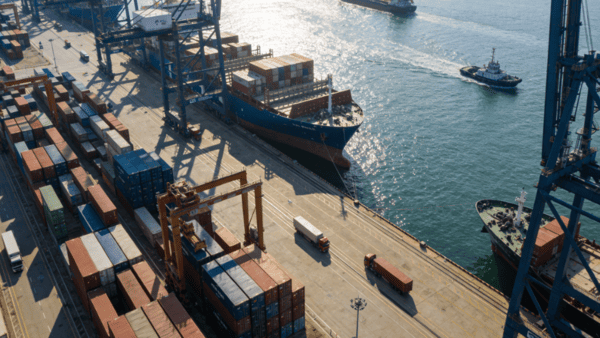
Modern Infrastructure: It is equipped with state-of-the-art container-handling facilities, high-efficiency cranes, and advanced automated systems. These facilities enable rapid and accurate loading and unloading of containers, significantly reducing the port-stay time of vessels. For example, Yantian Port's automated container terminals can handle a large volume of cargo with minimal human intervention.
Strategic Location: Situated in the Pearl River Delta region, Shenzhen Port benefits from its proximity to a vast manufacturing base. It can easily gather a large quantity of goods from nearby factories, ensuring a stable supply of export products. Moreover, its location on the southern coast of China provides convenient access to international shipping routes, making it an ideal starting point for shipments to New York.
Rich Shipping Resources: Shenzhen Port has a wide network of shipping lines. Many major international shipping companies operate regular services from Shenzhen to New York, offering a variety of shipping schedules. This provides shippers with flexibility in choosing the most suitable shipping option based on their cargo volume, delivery time, and cost requirements.
Efficient Logistics Support: The port is supported by a comprehensive logistics system. There are numerous professional logistics companies in the vicinity that offer services such as warehousing, customs clearance, and freight forwarding. These services streamline the shipping process, ensuring seamless movement of goods from factories to vessels.
What Are the Characteristics of the Port of New York and Its Clearance Situation?
The Port of New York, which includes the Port of New York and New Jersey, has the following characteristics:
Large-scale and Diverse Operations: It is one of the largest ports in the United States, handling a wide variety of cargo types, from containers to bulk goods and break-bulk cargo. The port has multiple terminals, each specialized in handling different types of cargo. For instance, some terminals are dedicated to container handling, while others focus on handling automobiles or bulk commodities.
High-volume Traffic: As a major gateway to the northeastern United States, the Port of New York experiences high-volume traffic throughout the year. This can lead to congestion, especially during peak seasons like the pre-Christmas period and major shopping festivals. During congestion, the average berthing time of vessels may increase from the normal 2-3 days to 4-5 days.
Complex Regulatory Environment: The port is subject to strict US customs regulations and various environmental and safety requirements. Customs clearance in New York requires detailed and accurate documentation, including commercial invoices, bills of lading, packing lists, and certificates of origin. For certain products, additional certifications from relevant US agencies may be required. Shippers need to be well-versed in these regulations to avoid delays in customs clearance.
What is the Transit Time from Shenzhen to New York?
Direct Voyages: Direct voyages from Shenzhen to New York are relatively rare due to the long-distance nature of the route. However, when available, they can take approximately 30-35 days. Direct voyages are typically preferred for high-value, time-sensitive goods, such as high-end electronics, luxury fashion items, and perishable goods, as they minimize the risk of damage and delays associated with transshipment.
Transit Voyages: Most shipments from Shenzhen to New York are via transit routes. These usually involve transshipment at major international hub ports, such as Rotterdam in Europe or Singapore. Transit voyages generally take around 40-50 days. Although they take longer, transit voyages offer more flexibility in terms of shipping schedules and can be more cost-effective for some types of goods, especially large-volume, less time-sensitive cargo like textiles and toys.
What Are the Shipping Costs and What Factors Influence Them?
The shipping costs from Shenzhen to New York generally range from $2500-$6000 per 40-foot container. The cost components include ocean freight, terminal handling charges (THC), bunker adjustment factor (BAF), currency adjustment factor (CAF), and other possible surcharges.
Market Supply and Demand: This is a primary factor influencing shipping costs. During peak seasons, such as the pre-Christmas shopping period in the United States, the demand for shipping space surges, leading to an increase in ocean freight rates. Conversely, in the off-season, when demand is lower, rates tend to decline.
Fuel Prices: Fluctuations in international fuel prices directly impact the bunker adjustment factor. When fuel prices rise, shipping companies increase the BAF to offset the higher fuel costs, resulting in an overall increase in shipping costs.
Goods Type and Volume: The type of goods being shipped also affects the cost. Oversized, overweight, or hazardous goods may require special handling and transportation arrangements, incurring additional charges. Additionally, large-volume shipments may sometimes be eligible for volume-based discounts.
Route and Transshipment: The choice of route, especially whether it involves transshipment, can impact costs. Direct voyages are generally more expensive due to their shorter transit time and lower risk, while transit voyages may offer cost savings but come with a longer transit time.
What Key Considerations Should Freight Forwarders Keep in Mind?
Peak Season Planning: The peak season for shipping from Shenzhen to New York is usually from September to December. Freight forwarders should plan ahead and book shipping space at least 3-4 weeks in advance. They should also communicate with clients about potential delays and cost increases during this period, helping them adjust their production and shipping schedules accordingly.
Documentation Accuracy: Ensuring the accuracy of shipping documents is crucial. Errors in commercial invoices, such as incorrect product descriptions or inaccurate value declarations, can lead to customs clearance issues in New York. Freight forwarders need to double-check all documents and stay updated on any changes in US customs regulations.
Congestion Management: Given the potential for congestion at the Port of New York, freight forwarders should closely monitor port conditions. They should have contingency plans in place, such as alternative shipping routes or storage options in case of unexpected delays. Communication with clients regarding potential delays is also essential to manage their expectations.
Conclusion
Shipping from Shenzhen to New York is a significant link in the global trade network, facilitating the economic exchange between two dynamic regions. Understanding the trade overview, port characteristics, transit times, shipping costs, and key considerations is vital for freight forwarders. By carefully navigating these aspects, freight forwarders can ensure the efficient and cost-effective transportation of goods between Shenzhen and New York, contributing to the growth of international trade.
Last
India Customs Clearance: A Definitive Guide for Freight Forwarders
In the dynamic landscape of international freight, having a comprehensive understanding of the India Customs Clearance process is
Next
How to Avoid Demurrage and Detention Fees in China to US Shipping_
As the core logistics method for Sino-US cross-border trade, China to US shipping undertakes the transportation needs of a large v

