




US De Minimis Policy Changes have restructured operational protocols for cross-border e-commerce logistics, urging global freight forwarders to adjust US-bound fulfillment workflows to mitigate prevalent border congestion and compliance exposure. Cross-border e-commerce remains a vital growth segment for global small-batch trade, with low-value parcel shipments dominating last-mile cross-border fulfillment services for international retail brands and marketplace vendors. For years, the US De Minimis exemption permitted inbound shipments valued below $800 to enter the nation duty-free with simplified customs filing, forming a cost-effective, efficient logistics channel for global e-commerce merchants and freight service providers. Recent adjustments to US import customs De Minimis exemption policies have disrupted this stable operational framework, bringing about frequent border congestions, elevated inspection frequencies, and uncertain compliance pressures that impact continuous fulfillment operations across cross-border supply chains. Global freight forwarders can sustain operational stability and client market competitiveness by analyzing policy mechanisms, practical industry impacts, and feasible risk mitigation tactics targeting these regulatory shifts.
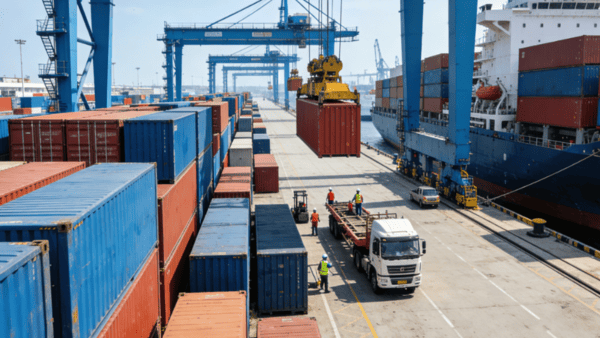
What exactly are the updated US De Minimis Policy Changes?
The revised US De Minimis regulations phase out the universal $800 duty-free exemption for cross-border e-commerce parcels, covering most high-volume cross-border shipping territories. This regulatory update replaces long-standing simplified clearance rules for low-value shipments with mandatory full customs declaration, duty evaluation, and official verification for the majority of inbound e-commerce parcels. According to ITC Trade Map 2025 statistical data, approximately 23 million low-value e-commerce parcels entered the US market monthly under the former exemption framework, occupying 18% of all US inbound cross-border retail shipment volumes.
Under the previous regulatory system, US Customs and Border Protection (CBP) implemented minimal documentary review for De Minimis-eligible shipments, supporting expedited border clearance and short port dwell time for inbound cargo. The revised policy framework introduces tiered inspection mechanisms, mandatory Harmonized System (HS) code validation, and cargo origin authentication for all shipments that previously qualified for duty exemptions. Differing from minor regulatory revisions, these adjustments constitute a comprehensive overhaul of low-value cross-border trade supervision, aiming to curb common industry irregularities including cargo undervaluation, shipment splitting, and unregulated e-commerce inflows that affect US tariff revenue collection and trade supervision efficiency.
What key timeline and scope adjustments define the new De Minimis rules?
The latest US De Minimis policy adjustments follow a phased implementation schedule with clear transitional arrangements for global cross-border shippers. Per official CBP announcements in 2025, the new regulatory regime officially took effect on August 29, 2025, with a six-month transition window lasting until February 28, 2026, for international postal network shipments. During the transition period, qualified low-value postal parcels can adopt either ad valorem duty calculation or specific duty assessment based on relevant tariff brackets, offering temporary operational flexibility for logistics practitioners.
The policy scope covers both private courier shipments and international postal parcels shipped to US territories, eliminating differentiated exemption treatments for varied transportation modes. Starting from March 2026, all low-value cross-border shipments entering the US will follow standard full customs clearance procedures without blanket duty-free qualifications, marking a fundamental shift in US low-value cross-border trade supervision mechanisms.
Why do sudden De Minimis policy shifts trigger widespread border fulfillment delays?
Abrupt adjustments to US De Minimis policies create systemic border bottlenecks by overwhelming existing customs clearance workflows and adding unplanned compliance verification procedures for freight forwarders. Most global cross-border logistics and fulfillment networks are configured to adapt to traditional expedited De Minimis clearance rules, with staffing allocation, documentation templates, and transit scheduling optimized for minimal border intervention. Sudden regulatory revisions invalidate these mature operational workflows, generating consistent operational friction throughout cross-border fulfillment processes.
Gradually accumulating customs inspection backlogs: Forwarders should note that CBP field offices face operational capacity pressure during policy iteration, as frontline personnel require adaptive training and workflow adjustment to comply with updated declaration and verification standards. According to UNCTAD 2025 global border logistics reports, average inspection dwell time for US-bound e-commerce parcels increased by 47% in the post-policy transition period compared with pre-revision baseline data, with major coastal gateway ports reporting sustained clearance backlogs.
Non-compliant documentation from legacy operational habits: A common mistake is retaining traditional declaration document templates designed for De Minimis exemption eligibility, which fail to satisfy the new full-disclosure compliance standards. Many freight operation teams omit key information including precise commodity HS codes, verifiable manufacturing origin certificates, and detailed transaction value breakdowns, resulting in official document rejection and secondary manual reviews that extend cargo border holding duration.
Inconsistent parcel clearance prioritization standards: The updated De Minimis policy lacks detailed public guidelines for parcel inspection priority classification, leading to discretionary case-by-case reviews by CBP officers. Such operational inconsistency generates unstable clearance timelines, as conventional e-commerce fulfillment batches may undergo intensive random inspections without standardized expedited processing criteria.
Adaptive delays from international carrier operational upgrades: Major global logistics carriers have adjusted their US inbound cargo handling protocols to align with new De Minimis compliance requirements, causing temporary sorting and transit efficiency dips at regional transit hub facilities. Cross-border parcel consolidation centers face rising documentation processing volumes, forming upstream operational bottlenecks that amplify border delay risks for end-to-end fulfillment lines.
These border clearance disruptions generate cascading operational challenges for global freight forwarders beyond direct dwell time extensions. Standard order fulfillment service level agreements (SLAs) face frequent breaches, retail inventory restocking cycles encounter interruptions, and end-consumer delivery satisfaction metrics show downward trends. For logistics providers focusing on cross-border e-commerce services, continuous border delays weaken client cooperation willingness, reduce contract renewal probabilities, and undermine market competitiveness in the crowded global cross-border logistics industry.
Which fulfillment network segments bear prominent policy disruption risks?
Different cross-border e-commerce fulfillment models exhibit varying vulnerability levels to US De Minimis Policy Changes, while small-batch direct parcel shipping and multi-merchant consolidation logistics networks sustain relatively higher operational pressure. Targeted risk segmentation enables freight forwarders to allocate operational and compliance resources rationally, protecting core service businesses from avoidable regulatory disruptions.
Direct cross-border consumer parcel fulfillment: Direct-to-consumer parcel shipping, a major service beneficiary of the former De Minimis exemption framework, now requires universal duty calculation and comprehensive customs auditing. These high-volume, low-value shipments previously completed border clearance within several hours, but currently demand 3 to 5 additional business days for formal processing, affecting conventional fast fulfillment service commitments.
Multi-supplier consolidated e-commerce cargo: Consolidated shipments integrating parcels from multiple merchants carry elevated inspection risks due to diversified commodity categories and heterogeneous origin documentation. CBP inspection teams tend to prioritize such mixed cargo batches for intensive verification, as these shipment types were associated with frequent De Minimis rule violations including value underreporting and shipment splitting in past industry practices.
Just-in-time cross-border inventory replenishment pipelines: Cross-border e-commerce retailers rely on frequent small-batch overseas restocks to maintain lean domestic inventory levels. Border clearance delays caused by new De Minimis regulatory rules increase product stockout risks, as lagged replenishment shipments disrupt continuous inventory rotation and omnichannel retail fulfillment operations.
Cross-border reverse logistics and return networks: Reverse logistics parcels for after-sales returns and replacements, which previously qualified for De Minimis duty exemptions, now undergo identical rigorous clearance verification as forward cargo. This change creates unanticipated delays in defective product recovery, inventory re-circulation, and merchant refund settlement, bringing hidden operational cost increments for forwarders managing full-cycle fulfillment services.
From a market participant perspective, mid-sized freight forwarders serving small and medium-sized e-commerce enterprises face relatively higher adaptive pressure compared with large integrated logistics groups. Large-scale logistics enterprises can absorb compliance upgrade expenditures and deploy diversified shipping route layouts, while mid-sized and small forwarders often lack sufficient capital and technical reserves to rapidly upgrade fulfillment systems for updated regulatory standards.
What practical operational tactics help forwarders mitigate border fulfillment delays?
Global freight forwarders can alleviate De Minimis policy-induced border disruptions through standardized operational upgrades, unified compliance management, and diversified fulfillment network layout. Feasible mitigation tactics focus on reducing documentation non-compliance errors, optimizing customs clearance workflows, and lowering operational reliance on single-channel cross-border shipping modes with high regulatory volatility.
Implement standardized full-compliance pre-declaration workflows: The recommended approach is to enforce comprehensive value declaration and accurate commodity classification for all US-bound e-commerce parcels, regardless of historical exemption eligibility. Forwarders should note that integrating automated HS code verification tools and digital origin document validation systems helps reduce manual declaration errors that commonly trigger cargo border holds.
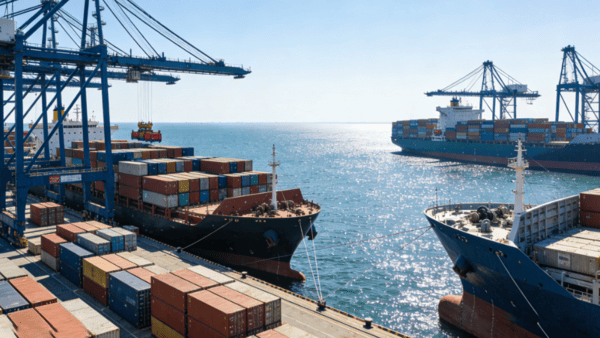
Adopt hybrid fulfillment routing and inventory stocking modes: Balancing direct parcel cross-border shipping with US local warehouse pre-stocking serves as one of the commonly adopted approaches to reduce border delay exposure. Bulk inventory shipments delivered to US local fulfillment centers via general trade clearance bypass high-risk parcel inspection channels, supporting stable localized last-mile delivery and predictable fulfillment timelines.
Establish dedicated policy compliance management teams: Deploy specialized operational teams to track real-time CBP regulatory updates, policy revision announcements, and inspection priority adjustments. Regular staff training on updated De Minimis compliance rules helps unify operational execution standards and reduce compliance discrepancy rates across bulk shipment batches.
Optimize categorized cargo consolidation mechanisms: Restructure existing cargo consolidation workflows to separate high-risk regulated commodities and low-risk general goods into independent shipment batches. Isolating cargo with different compliance risk levels reduces the possibility of full-batch clearance delays caused by individual non-compliant parcels in mixed loads.
Provide systematic pre-shipment compliance guidance for clients: Deliver targeted training and documentation guidance for cooperative e-commerce merchants regarding updated US customs declaration criteria, prohibited valuation practices, and mandatory filing materials. Proactive client compliance alignment helps reduce last-minute shipment revisions and clearance rejections that disrupt scheduled fulfillment operations.
Data-driven operational optimization enhances policy risk mitigation outcomes effectively. According to Freightos Baltic Index (FBX) Q1 2026 logistics efficiency survey data, forwarders that deployed standardized pre-declaration mechanisms and hybrid fulfillment routing modes recorded a 52% reduction in US border delay frequency and an 18% average drop in fulfillment operational costs, compared with industry peers retaining legacy De Minimis-era workflows. Such operational improvements support stable service delivery and sustained client cooperation in the competitive cross-border logistics market.
How can forwarders build long-term operational resilience against regulatory volatility?
Long-term fulfillment network resilience requires freight forwarders to shift from passive policy adaptation to proactive regulatory risk management for US-bound cross-border logistics businesses. Continuous adjustments to US customs and trade policies have become a regular feature of modern cross-border logistics operations, demanding flexible, scalable, and adjustable fulfillment network architectures for sustainable business development.
Build real-time regulatory monitoring and early warning systems: Integrate official CBP policy alerts, WTO global trade regulatory updates, and US trade policy proposal dynamics into daily operational management workflows. Continuous regulatory surveillance enables forwarders to capture policy change signals and adjust fulfillment protocols ahead of official implementation deadlines.
Diversify port gateways and customs clearance channels: Moderate over-reliance on high-volume US entry ports with intensive inspection backlogs. Distribute inbound shipment volumes across multiple regional port gateways and adopt diversified clearance pathways to reduce operational concentration risks during policy transition cycles.
Realize full digitalization of end-to-end fulfillment documentation: Automate cargo declaration, compliance verification, and operational record-keeping processes via cloud-based logistics management systems. Digital workflow frameworks support rapid adaptive adjustments to new compliance rules, minimize manual processing errors and delays, and maintain audit-ready documentation for routine CBP inspections.
Develop tiered client service and risk response frameworks: Design differentiated fulfillment solution packages for high-volume long-term cooperative clients and sporadic small-batch shippers. Tiered service mechanisms support rational allocation of compliance and operational resources, helping stabilize core revenue sources during industry-wide regulatory disruptions.
Most industry practitioners acknowledge that recent US De Minimis regulatory adjustments reflect a long-term trend of stricter supervision for cross-border e-commerce trade, rather than short-term temporary policy tweaks. Forwarders that optimize operational frameworks to adapt to evolving regulatory environments can accumulate steady market advantages during industry restructuring. Embedding regulatory adaptability into daily operational mechanisms enables logistics providers to transform policy volatility into opportunities for service standardization and operational upgrading.
For global freight forwarders undertaking cross-border e-commerce fulfillment services, flexible and targeted adaptation to iterative US De Minimis Policy Changes remains a core operational priority to reduce border disruption risks, stabilize fulfillment efficiency, and retain sustainable client value in the evolving US import logistics market. Sustained compliance optimization, network diversification, and digital operational transformation will serve as foundational supports for resilient cross-border fulfillment operations amid ongoing US customs regulatory adjustments.
Last
Managing buyer delivery expectations during severe customs hold ups driven by a strict Inspection Policy
Stringent global Customs Inspection Policy enforced across major international trade corridors frequently triggers prolonged conta
Next
Shifting origin consolidation warehouse routing strategies to mitigate risks from recent us trade enforcement De Minimis policy changes
US De Minimis Policy Changes have adjusted cross-border cargo consolidation supervision rules, encouraging global freight forwarde

