



Cross-border logistics service providers serving China to US trade lanes frequently encounter unfair terminal detention penalties imposed by overseas terminals and carriers, and standardized FMC Ocean Shipping Reform Act Compliance delivers enforceable regulatory protection to address unreasonable charge deductions. China to US maritime routes maintain steady high cargo throughput and sophisticated terminal operation protocols, making irregular detention fee assessments a common hidden cost burden for shippers and forwarding enterprises. Familiarity with FMC regulatory boundaries helps forwarders protect client interests and standardize cross-border cargo settlement workflows.
What terminal detention charge protections does FMC Ocean Shipping Reform Act Compliance provide
FMC Ocean Shipping Reform Act Compliance establishes standardized industry protocols to regulate terminal detention fee collection practices across United States entry ports and container terminals. The regulatory framework limits arbitrary charge formulation and clarifies liability allocation standards for typical China to US container shipping scenarios.
Traditional regulatory mechanisms offered limited federal oversight over terminal detention charge formulation, allowing terminal operators and vessel carriers substantial flexibility in fee calculation. Many terminals adopted rigid charging logics that overlooked objective operational delays arising from port congestion, customs inspection procedures and public infrastructure malfunctions. Such one-sided billing practices create unstable logistics expenditure for Chinese exporters and cross-border forwarding agencies.
According to UNCTAD 2025 global liner shipping review data, trans-Pacific trade lanes record consistent volumes of container detention-related disputes throughout each fiscal year. Unreasonable terminal charge disputes constitute a notable share of maritime service complaints submitted by Asian export enterprises, highlighting the practical value of federal compliance rules in standardizing terminal billing behaviors.
Why do unjust terminal detention charges occur frequently on China to US shipping lanes
Unjust terminal detention charges on China to US shipping lanes originate from operational mismatches between trans-Pacific container transportation cycles and local United States terminal management systems. Information asymmetry between overseas terminal operators and Chinese export shippers further elevates improper fee assessment risks.
How port operational characteristics contribute to improper detention billing
United States container terminals implement unified container stacking and pickup management frameworks, while China to US shipping cargo features large-batch shipment and centralized arrival patterns. In recent years, recurring port congestion and centralized customs clearance inspections often lead to passive container dwell time extensions.
Most terminal billing systems fail to integrate flexible adjustment mechanisms for objective delay scenarios. Fixed algorithmic logics generate standard detention charges regardless of external operational disruptions, resulting in numerous non-compliant billing records for cross-border shippers.
Forwarders should note that mainstream United States terminal billing platforms operate on preset program rules and cannot autonomously identify force majeure events or public operational interruptions. Manual compliance verification and targeted intervention remain essential to avoid undesired cost burdens for China-based export clients.
What operational loopholes worsen billing inequities
Many small and medium-sized export enterprises and regional forwarding teams lack systematic training on United States federal shipping regulatory updates. Operational staff tend to categorize terminal detention fees as fixed logistics costs and overlook feasible compliance dispute channels. Passive acceptance of unsubstantiated charges accumulates continuous operational losses for China to US cross-border shipping projects.
What types of terminal detention charges support FMC compliance appeals
Updated FMC regulatory provisions categorize multiple types of unjust terminal detention charges applicable to conventional China to US shipping operations. These regulated scenarios cover most non-standard billing practices observed at mainstream United States container terminals.
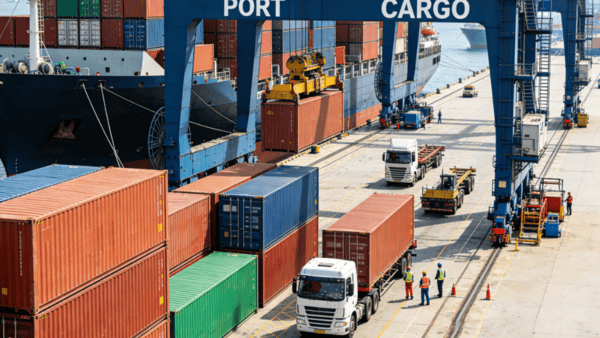
Detention fees from terminal operational congestion: Container dwell time extensions caused by terminal stacking congestion, handling equipment shortages and internal scheduling delays should not be attributed to cargo shippers. FMC Ocean Shipping Reform Act Compliance clarifies that terminal-side operational risks and corresponding costs belong to the responsibility scope of terminal operators.
Detention incurred during official customs inspections: A common mistake is classifying mandatory customs inspection waiting periods as shipper-caused detention. Federal compliance standards exempt container dwell time generated by official regulatory inspections from commercial detention fee assessment.
Charges triggered by carrier schedule adjustments: Vessel rescheduling, delayed berthing arrangements and carrier-initiated route modifications often postpone container pickup procedures. Resulting terminal detention fees qualify for formal dispute resolution under current federal shipping compliance rules.
Duplicate billing for detention and port service items: Several United States terminals superimpose detention fees on basic port service charges within one container dwell cycle. Such repetitive billing practices contradict FMC transparent billing requirements and support formal regulatory appeals.
According to Drewry 2025 trans-Pacific logistics cost monitoring reports, inspection-related delays and terminal congestion issues correspond to a large proportion of successful compliance appeal cases for China to US shippers. Forwarders can mitigate client logistics expenditures by targeting these common non-compliant charge scenarios.
What standardized compliance workflow resolves unjust detention charges
The recommended approach is to execute a structured, evidence-based compliance workflow to appeal unreasonable terminal detention charges for China to US shipping clients. Standardized operational protocols improve the feasibility of successful fee rectification and settlement.
Compile full container operation timeline documentation: Gather complete operational records including vessel arrival notifications, terminal entry receipts, customs filing documents and container pickup confirmations. Time-sequenced file archives help distinguish liability between shippers, carriers and terminal operators.
Match disputed charges with formal regulatory clauses: Compare questionable detention charge items against updated Ocean Shipping Reform Act provisions to identify verifiable regulatory violations. Precise clause referencing enhances the credibility of formal appeal documents.
Draft and submit standardized written appeals: Prepare formal appeal letters that elaborate charge irrationality, regulatory basis and supporting evidence lists, then submit documents to terminal customer service and carrier settlement departments. Written filings create official records for further regulatory escalation.
Conduct iterative rule-based negotiations: Maintain structured communication with terminal and carrier teams based on federal compliance standards. Regulation-oriented negotiations deliver more stable outcomes compared with informal verbal consultations for fee remission applications.
Escalate unresolved disputes to FMC mediation: For parties that decline reasonable rectification requests, forwarders can submit comprehensive case files to FMC for administrative intervention and formal ruling to protect shipper legitimate interests.
What common forwarder errors undermine detention dispute outcomes
Many forwarding teams make avoidable operational mistakes during terminal detention dispute processing, which weaken the effectiveness of compliance appeals. Recognizing and avoiding these errors helps maintain stable service quality for cross-border export clients.
Omitting key time-stamped operational evidence: A common mistake is retaining only final billing invoices without complete real-time terminal operation records. Incomplete evidence chains reduce the feasibility of verifying external delay causes and hinder successful dispute resolution.
Confusing terminal detention with container demurrage definitions: Forwarders should note that FMC compliance frameworks separate terminal detention fees charged by port operators from demurrage fees charged by vessel carriers. Mixing these two professional definitions leads to inaccurate appeal positioning and lower processing efficiency.
Missing valid appeal application windows: United States terminal operators set fixed time frames for fee dispute submissions. Delayed application filings result in forfeited compliance remedy opportunities, even for verifiable unreasonable charge items.
Replacing regulatory appeals with relational negotiations: Resolving disputes purely through long-term cooperative relationships without formal regulatory referencing creates unstable settlement results. This practice fails to build systematic risk prevention mechanisms for repeated billing issues.
How compliance frameworks stabilize China to US cross-border logistics costs
Proactive implementation of FMC regulatory compliance frameworks enables China to US shipping enterprises to mitigate irregular terminal detention expenditures and establish standardized budget management systems. Systematic compliance operations create long-term cost-control benefits for cross-border export logistics businesses.
What cost trends affect contemporary trans-Pacific shipping operations
In recent years, global supply chain adjustments and port operational fluctuations have driven continuous changes in trans-Pacific container logistics costs. According to Freightos Baltic Index (FBX) 2025 quarterly monitoring data, comprehensive logistics costs for mainstream China to US routes remain at stable medium-to-high levels, making refined compliance-based cost management essential for export enterprises.
How compliance practices optimize long-term industry cooperation
Forwarding teams that consistently apply federal compliance standards can constrain arbitrary billing behaviors from United States terminals and carriers. Continuous rule-based dispute intervention helps optimize internal billing protocols for cooperative clients, reducing the frequency of non-compliant charge generation.
Professional compliance-driven dispute handling also improves forwarder service competitiveness in the crowded China to US logistics market. Stable cost control and risk protection mechanisms support sustained cooperative relationships with export shippers and enhance market influence in homogeneous service environments.
Conclusion
For logistics forwarders and export enterprises engaged in China to US trans-Pacific shipping services, systematic application of FMC Ocean Shipping Reform Act Compliance provides reliable regulatory support to address unjust terminal detention charges, rectify non-standard terminal billing practices, and optimize cross-border logistics cost management frameworks. By standardizing evidence collection workflows, correcting routine operational deviations, and adhering to regulatory-based dispute resolution logic, service providers can effectively protect shipper rights, optimize cost structures, and maintain steady compliant development within evolving trans-Pacific maritime regulatory environments.
Last
Mitigating severe legal penalties by enforcing rigorous denied party screening for total OFAC tracking and sanctions compliance in global logistics
OFAC Sanctions Compliance in Logistics has become a non-negotiable operational standard for global freight forwarders, as cross-bo
Next
Navigating carrier demurrage billing disputes using leverage from FMC updated Ocean Shipping Market Reform Act compliance
Global freight forwarders regularly encounter unreasonable demurrage and detention charges issued by ocean carriers, and standardi