




The SOC container operation process covers standardized end-to-end management protocols for shipper owned containers, encompassing empty container gate release, cargo stuffing, ocean transit, destination delivery, and post-shipment container settlement for global freight forwarders. Skillful execution of SOC container tracking and operational workflows helps forwarders mitigate common logistics risks, optimize supply chain efficiency, and accommodate customized shipping demands from global cargo shippers. Distinct from carrier-owned containers, shipper owned units feature independent asset ownership, flexible deployment schemes, and tailored operational terms, requiring forwarders to adhere to standardized protocols throughout the entire shipment lifecycle. According to UNCTAD 2024 Review of Maritime Transport, customized container shipping solutions including SOC container models have maintained steady adoption growth alongside the 2% year-on-year expansion of global maritime trade.
What are the core definitions and unique attributes of SOC containers?
A shipper owned container (SOC) refers to intermodal shipping containers whose ownership, routine maintenance, and deployment scheduling are undertaken entirely by cargo shippers rather than liner carriers. This container category differs from carrier-owned equipment in ownership accountability, cost composition, and operational flexibility, forming an independent management system in international maritime logistics.
Forwarders should note that SOC containers are exempt from carrier-imposed container allocation quotas and empty equipment repositioning restrictions, serving as a widely adopted solution for long-term cross-border shipping contracts. Under conventional carrier container arrangements, forwarders and shippers must comply with carrier-specific usage clauses, such as fixed rental cycles and penalty charges for delayed equipment returns. In comparison, SOC resources allow shippers to adjust container circulation schedules based on actual shipment demands, enhancing overall supply chain operational autonomy.
A common mistake is that many entry-level forwarders mix up SOC containers with consignee-owned containers, resulting in inappropriate operational arrangements during shipment execution. The core differentiation lies in asset ownership subjects and corresponding liability scopes: SOC containers are managed by shipping parties, while consignee-owned containers belong to receiving parties, with distinct rules for equipment maintenance, damage indemnity, and empty container recovery. According to WTO 2025 Global Trade Outlook and Statistics, ambiguous identification of container ownership types contributes to a notable share of operational disputes in SOC-based cross-border shipments.
Why is standardized full-cycle SOC container tracking essential for forwarders?
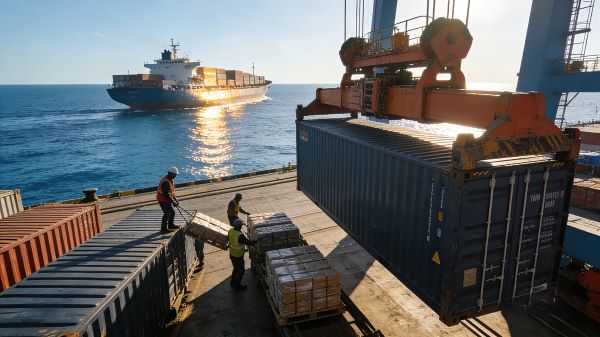
Systematic end-to-end tracking for SOC containers establishes transparent operational supervision covering empty gate-out to post-delivery settlement, assisting global forwarding firms in mitigating logistics risks and controlling unnecessary operational expenditures. This structured tracking framework resolves prevalent industry pain points including untraced container status, blurred liability division, and non-standardized post-shipment settlement.
The recommended approach for mid-sized and professional forwarding enterprises is to develop customized SOC operation tracking guidelines aligned with international maritime conventions, instead of applying generic carrier container management rules. This differentiated management method reduces operational loopholes triggered by the unique ownership attributes of SOC equipment. In recent years, the expansion of global cross-border e-commerce and bulk commodity trade has driven increased SOC container utilization, while non-standardized operational practices have become a major source of incremental logistics costs.
What cost impacts do unstandardized SOC operations bring to forwarding businesses?
Irregular tracking and non-compliant operation of SOC containers tend to generate additional logistics expenditures and profit compression for forwarding service providers. According to Freightos Baltic Index (FBX) 2024 quarterly logistics cost analysis, unregulated SOC management practices can raise comprehensive shipping costs by a moderate margin, mainly stemming from unreasonable equipment maintenance fees, demurrage charges, and inefficient empty container repositioning expenses. For small and medium-sized forwarding agencies, such incremental costs may erode operational profits and weaken long-term cooperative stability with cargo clients. Furthermore, standardized full-cycle tracking improves the traceability of container conditions, stuffing records, and transit status, supporting stable cargo transportation quality control.
What are the step-by-step SOP for SOC container operation from empty gate-out to final completion?
The complete SOC container operation process includes six standardized core phases, covering empty container pre-gate inspection, pre-stuffing preparation, cargo loading and port drayage, ocean transit monitoring, destination clearance and cargo discharge, and final operational settlement. Each phase features clear operational specifications and supervision criteria to support compliant and efficient container circulation.
Complete empty container pre-gate inspection and document archiving: Forwarders need to conduct comprehensive physical inspections on empty SOC containers prior to terminal gate-out, examining structural integrity, water tightness, surface corrosion, door sealing performance, and internal sanitation conditions. All inspection results must be documented in official container condition reports, with visual evidence including photos and videos retained for file archiving. Forwarders should note that incomplete inspection documentation hinders liability confirmation for potential container damage disputes occurring in subsequent links. After inspection verification, forwarders shall compile gate-out application materials including container ownership certification, inspection reports, and booking confirmation, then submit the complete dossier for terminal approval.
Execute standardized cargo stuffing and container sealing procedures: After picking up qualified empty SOC containers from terminals, forwarders shall arrange professional stuffing teams to complete cargo loading in line with international stowage and securing standards. Overloading, uneven cargo distribution, and inadequate cargo fixing should be avoided to prevent container structural deformation or cargo damage. The recommended approach is to implement full-process supervision during stuffing, and affix official maritime seals immediately after loading completion to preserve cargo integrity during transit. Key information including seal numbers, stuffing timestamps, and cargo specifications should be recorded in real time for subsequent verification and tracking.
Complete terminal entry procedures and pre-voyage status verification: Upon finishing cargo stuffing and sealing, forwarders arrange drayage of sealed SOC containers to departure terminals, and complete mandatory procedures including container VGM verification, customs manifest declaration, and terminal entry registration. Operational staff need to confirm container storage positions within the terminal and synchronize all updated status data to internal logistics management systems. A common mistake is neglecting real-time manifest and container status updates, which may cause vessel stowage adjustment and sailing delay risks.
Carry out real-time ocean transit tracking and exception disposal: During maritime transportation, forwarders monitor vessel sailing status, route adjustment, and port call schedules via professional maritime logistics platforms on a continuous basis. Close attention should be paid to abnormal factors including vessel schedule delays, route diversions, and adverse weather impacts on navigation. Once operational exceptions emerge, forwarders shall conduct timely communication with liner carriers and cargo shippers, adjust logistics arrangements accordingly, and document all exception handling details to reduce potential claim risks.
Process destination clearance, cargo discharge and container re-inspection: After vessel arrival at the destination port, forwarders assist consignees in completing customs clearance, commodity inspection, and quarantine procedures in accordance with local cross-border trade regulations. Following full cargo discharge, teams conduct secondary inspections on SOC container structural conditions and internal environments, comparing inspection data with pre-loading records to identify newly occurred damage or contamination. All inconsistent inspection findings require mutual verification and signed confirmation by forwarding and receiving parties.
Conclude operational settlement and official container status closure: After confirming successful cargo delivery and intact container conditions, forwarders conduct comprehensive settlement of all SOC operational expenses, including inland transportation fees, terminal handling charges, and inspection service fees. All operational documents, inspection records, and tracking logs shall be systematically sorted and archived to complete the full-cycle SOC container operation closure. For containers requiring empty repositioning or return shipment, forwarders formulate targeted circulation plans based on shippers’ operational arrangements.
What key risk points need to be avoided in full-cycle SOC operation?
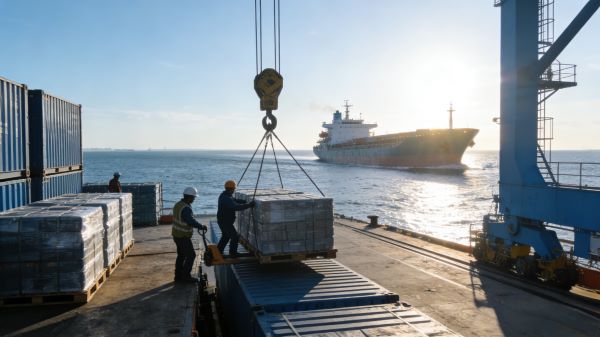
Full-cycle SOC container operations involve multi-party collaboration among terminals, liner carriers, customs authorities, and cargo stakeholders, with more complex risk exposure compared with conventional carrier container shipping. Forwarders need to strengthen targeted risk control over core operational links to facilitate smooth process completion.
Prevent incomplete SOC container qualification documentation: Valid ownership and qualification certificates serve as fundamental supporting documents for all SOC operational procedures. Forwarders should note that expired or incomplete certification materials may lead to terminal entry rejection, customs clearance obstacles, and temporary container detention. Operational teams must verify the validity of container registration documents, periodic inspection certificates, and ownership authorization files before initiating each shipment.
Achieve continuous container status tracking without interruption: A common mistake is discontinuous status monitoring during ocean transit, which results in unawareness of potential container delays, equipment damage, or port detention issues. The recommended approach is to establish daily status checking mechanisms, record container positioning and status changes regularly, and form complete traceable logs covering the entire operational cycle.
Standardize container damage inspection to clarify liability boundaries: Missing standardized pre-shipment and post-delivery inspection comparisons make it difficult to distinguish damage liabilities arising from stuffing, transit, and discharge links. Forwarders need to implement rigorous full-cycle inspection and file archiving mechanisms to bear reasonable liability and avoid unnecessary compensation losses.
Control operational rhythms to reduce incremental fee accrual: Unplanned demurrage, detention, and empty repositioning fees are common incremental costs in SOC container management. Forwarders can optimize container pickup, delivery, and return schedules, and complete relevant procedural filings in a timely manner to mitigate extra expenditures caused by human operational delays.
To sum up, the standardized SOC container operation process covering empty gate-out to final settlement relies on rigorous full-cycle status tracking, compliant operational workflows, and refined risk management mechanisms. For global freight forwarding practitioners, proficient command of this set of standard operating procedures helps elevate overall operational standardization, reduce controllable logistics risks and incremental costs, and deliver stable, customized shipping solutions for global cargo clients amid evolving international trade and maritime logistics environments.
Last
Minimizing origin document release holding delays by explaining the clear cash flow protection swb vs ocean bill of lading difference to suppliers
Understanding the practical cash flow protection swb vs ocean bill of lading difference allows global freight forwarders to mitiga
Next
Managing extra terminal handling charge liabilities during vessel loading for what survey reports classify as an oog out of gauge cargo transport project
OOG (Out of Gauge) cargo transport refers to specialized maritime shipping solutions for oversized and overweight shipments exceed

