




Global freight forwarders can effectively mitigate seasonal maritime surcharge expenses and stabilize operational profit margins while learning how to save costs using transshipment port differences across diversified Southeast Asian maritime hubs. In recent years, Southeast Asia has grown into a vital global transshipment hub that supports large-scale intra-Asian and intercontinental container transportation. Seasonal port congestion and carrier-side surcharge adjustments create continuous cost pressure for forwarding businesses, making differentiated port selection a mainstream cost-control strategy for logistics practitioners.
What triggers peak season congestion surcharges across Southeast Asian container ports?
Peak season congestion surcharges refer to conditional extra charges imposed by shipping carriers and terminal operators to offset increased operational burdens during high-demand shipping cycles. Such fees arise from concentrated cargo inflows, limited berth resources, and prolonged vessel waiting periods throughout regional port clusters.
According to Drewry 2024 Regional Port Performance Report, major Southeast Asian container ports record 18% to 25% higher berth occupancy rates during seasonal shipping peaks, which prompts most mainstream liner carriers to activate standardized peak season surcharge frameworks. Multiple international shipping lines adjust regional surcharge rules annually to adapt to changing terminal operational pressures.
Forwarders should note that the peak shipping window for Southeast Asian routes generally spans from August to early December each year. This period coincides with holiday-related cargo preparation for Western markets and expanding regional cross-border trade activities, which accumulates cargo volume and creates persistent port congestion conditions.
Multiple external factors further amplify surcharge risks beyond regular cargo volume growth. Regional monsoon weather disruptions, scheduled terminal maintenance projects, and iterative customs clearance policy adjustments reduce daily terminal throughput capacity, encouraging carriers to maintain steady surcharge levels for extended periods.
What operational differences exist among Southeast Asian transshipment terminals?
Southeast Asian transshipment port handling differences represent quantifiable gaps in terminal throughput efficiency, congestion resilience, surcharge policies, and operational flexibility among regional container hubs. These variances lead to distinct cost outcomes under identical peak-season market environments.
A common mistake is that many global forwarding teams treat Southeast Asian transshipment ports as identical transit nodes and apply unified routing schemes. This generalized operational approach ignores meaningful handling discrepancies, which exposes shipments to unnecessary seasonal surcharges and inefficient transshipment arrangements.
According to UNCTAD 2025 Maritime Transport Review, secondary transshipment hubs located in Malaysia, Vietnam, and Thailand deliver 12% to 16% faster container turnover rates compared with large-scale core hub ports during peak shipping cycles. Regional secondary terminals feature shorter vessel queuing times and streamlined on-site operational workflows.
Surcharge policy flexibility serves as another influential port differentiation factor. Core hub ports such as Singapore enforce unified peak season surcharge rules with limited negotiation space. Many emerging regional ports maintain long-term cooperative frameworks with mid-sized carriers to offer partial surcharge concessions for stable container throughput volumes.
How do customs clearance variations affect seasonal port cost performance?
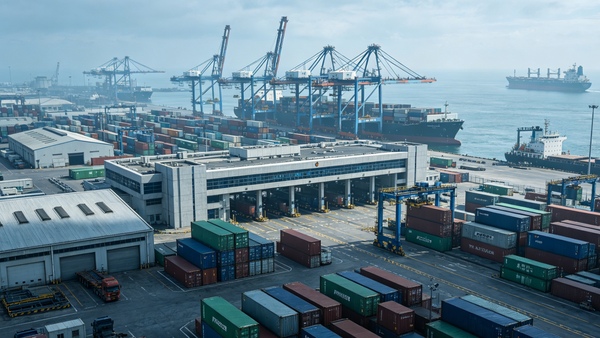
Customs clearance efficiency gaps further expand the cost differentiation between Southeast Asian transshipment ports during peak seasons. Several regional terminals adopt simplified clearance procedures for international transit cargo, which lower the probability of container detention and demurrage occurrences.
Streamlined clearance workflows accelerate overall cargo turnover cycles within terminals. This operational advantage reduces hidden logistics expenses, which often account for a notable proportion of extra seasonal costs beyond standard congestion surcharges for forwarding companies.
How can port handling differences help forwarders reduce seasonal surcharge spending?
Targeted utilization of Southeast Asian port handling variances allows forwarders to redistribute cargo flows from high-congestion, high-cost core terminals to cost-effective alternative regional ports. This proactive routing adjustment lowers business reliance on surcharge-sensitive core hubs during peak periods.
Select secondary regional hubs to reduce mandatory surcharge exposure. The recommended approach is to moderate reliance on traditional core hubs during peak seasons by adopting qualified Malaysian and Vietnamese transshipment terminals. Many regional secondary ports are not fully covered by universal carrier surcharge policies, helping enterprises cut down seasonal fee expenditures.
Build stable terminal partnerships for flexible fee negotiation. Forwarders should establish long-term cooperative relationships with local operators of emerging Southeast Asian ports. Such partnerships support customized surcharge discount arrangements for sustained cargo volumes, which are less accessible at saturated core maritime hubs.
Optimize container laytime to mitigate hidden congestion costs. Efficient regional ports support shorter container dwell time and faster vessel turnaround cycles. Reduced terminal staying duration lowers the occurrence rate of overtime detention fees and temporary congestion adjustment charges during busy shipping seasons.
Adopt diversified routing layouts to balance port capacity pressure. A multi-port combination strategy avoids excessive cargo concentration on single transit routes. Reasonable cargo dispersion stabilizes comprehensive transit costs and relieves capacity saturation risks that trigger seasonal surcharge increments.
What measurable cost benefits come with differentiated seasonal port routing?
Routing optimization based on Southeast Asian port handling differences generates verifiable cost-saving outcomes while retaining stable cargo transit quality. This optimization method supports steady profit control for forwarding businesses operating in volatile seasonal maritime markets.
According to Shanghai Shipping Exchange 2026 Q1 Southeast Asia Shipping Statistical Report, forwarding businesses that adopt diversified regional port portfolios record 9% to 13% lower comprehensive peak-season transshipment costs compared with enterprises using fixed single-hub routing modes. The cost reduction derives from avoided congestion surcharges and decreased detention-related hidden expenses.
Intra-Asian short-sea shipping operations benefit notably from such routing optimization practices. Short-distance container routes allow flexible port replacement based on real-time congestion and policy updates. This operational flexibility creates stable competitive edges for small and medium-sized forwarding organizations in regional logistics markets.
How does differentiated port selection enhance long-term operational stability?
Differentiated port deployment delivers long-term operational improvements beyond one-time seasonal cost savings. It helps forwarding companies build robust risk control systems to adapt to fluctuating maritime market conditions throughout different shipping cycles.
Seasonal congestion and surcharge fluctuations shift from passive market threats to adjustable operational variables with diversified port layouts. This controllability enables logistics enterprises to formulate more accurate client quotation standards and rational annual profit budget plans.
What common operational pitfalls require avoidance in seasonal port optimization?
Improper operational practices may weaken the cost-saving potential of port difference utilization, even for teams with clear awareness of regional port cost gaps. Standardized operational workflows help enterprises avoid ineffective optimization and controllable service risks.
Adjusting ports without verifying updated carrier surcharge rules. A common mistake is switching transshipment hubs purely based on congestion status without reviewing the latest carrier policy updates. Several alternative ports still apply full seasonal surcharges for specific route directions, leading to ineffective routing adjustments.
Overlooking route connectivity gaps of secondary transshipment ports. The recommended approach is to balance cost advantages and route compatibility in daily operations. Some low-cost regional ports have limited long-haul vessel resources, which may extend overall transit duration and affect cargo delivery schedules.
Relying on static port selection standards amid dynamic market changes. Regional port congestion status fluctuates with seasonal cargo volume shifts and weather variations. Outdated fixed selection criteria may cause enterprises to miss cost-saving opportunities or encounter unplanned transit delays.
Concentrating excessive cargo on emerging ports and triggering new congestion. Large-scale cargo diversion toward specific secondary hubs may lead to local capacity saturation during peak seasons. Such situations create new congestion pressure and offset the cost advantages of differentiated port selection strategies.
How to establish sustainable seasonal port cost management mechanisms?
Sustained logistics cost optimization depends on systematic port resource management rather than temporary seasonal adjustments. Forwarders can build long-term cost-control frameworks through in-depth analysis of regional transshipment port operational differences.
Forwarders should note that building a dynamic port performance database serves as a foundational step for continuous cost optimization. Collecting real-time data on port congestion ratios, surcharge implementation timelines, vessel punctuality rates, and clearance efficiency supports data-backed routing decisions across different shipping seasons.
In recent years, digital maritime monitoring tools have simplified real-time port condition tracking for global forwarding practitioners. Timely policy updates and congestion early warnings allow operational teams to adjust routing schemes in advance before seasonal surcharge implementation, forming proactive cost management capabilities.
Diversified port cooperation resources further stabilize seasonal cost control effects. Maintaining long-term partnerships with both core and secondary Southeast Asian ports provides flexible route alternatives across peak and off-peak cycles, reducing cost risks brought by single-port resource dependence.
In summary, effective avoidance of peak season congestion surcharges relies on precise and flexible maritime route planning, and learning how to save costs using transshipment port differences remains one of the practical, stable approaches for global freight forwarders to sustain profit margins within the variable Southeast Asian maritime logistics landscape.
Last
Explaining extended transit times to buyers showing how to save costs using cheaper Transshipment Port structural differences
Professional forwarders can balance client satisfaction and operational profits while learning how to save costs using transshipme
Next
Training warehouse unloading staff to build a flawless container incoming cargo structural damage visual Container Cargo Damage Evidence Chain
Standardized on-site operation and visual recording by warehouse unloading teams constitute the core onshore procedure to form a c

