




Refused cargo destination port incidents frequently incur accumulating container detention charges, terminal storage fees and port administrative costs that exceed the intrinsic commercial value of inbound shipments. This common logistics dilemma exposes global freight forwarders to unplanned financial losses and operational liabilities amid turbulent post-pandemic maritime markets. According to UNCTAD 2025 Review of Maritime Transport, prolonged container dwell times and recurring terminal congestion across global ports have driven a steady uptick in unclaimed cargo overheads throughout 2024 and 2025.
What triggers port fee overruns for refused destination port cargo?
Port fee overrun refers to a financial scenario where aggregated terminal and customs charges for uncollected refused cargo surpass the market value of the shipped commodities. This imbalance stems from layered port levy structures and extended container detention cycles in modern cross-border shipping.
How layered port levies create value-cost imbalance
Unclaimed refused cargo detained at overseas destination ports generates multiple recurring operational charges, including container detention fees, terminal warehousing tariffs, port security surcharges, and customs supervision dues. These variable fees accrue daily until the cargo undergoes formal repatriation, resale, or official governmental disposal. Low-value bulk goods, seasonal consumer goods and cross-border general cargo are particularly susceptible to rapid cost inflation within a short detention window.
According to Drewry 2025 Global Container Logistics Cost Report, average container storage fees at international mainstream terminals rose by 16% year-on-year in 2024, while standard dry van detention tariffs maintained an upward trend across Asian, European and American hub ports. The incremental accumulation of these levies quickly outpaces the net commercial value of low-margin shipments.
A common mistake is that most forwarders prioritize core ocean freight expenses during order execution while overlooking the compound accrual mechanism of auxiliary port charges. When consignees default or disappear entirely, unchecked fee accumulation creates irreversible cost gaps, leaving forwarding firms trapped in passive liability scenarios with limited conventional solutions.
How 2024–2025 maritime disruptions worsen detention cost pressure
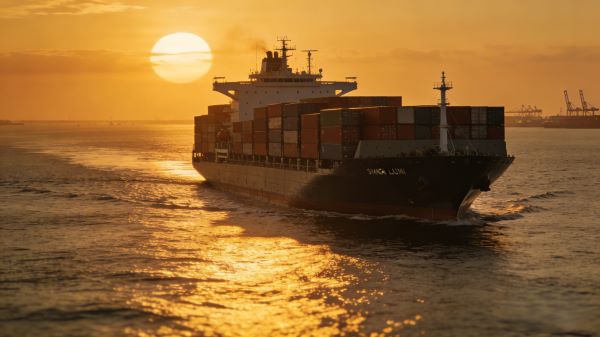
Global supply chain disruptions have significantly prolonged container dwell time at destination terminals over the past two years. UNCTAD 2025 statistical data confirms that average vessel waiting and berthing times increased across 68% of global major ports in 2024, extending container occupancy cycles and subsequent fee accrual periods.
Persistent Red Sea transit disruptions and frequent geopolitical frictions force large-scale vessel rerouting, which prolongs overall transit lead times and delays formal customs clearance procedures. For unclaimed refused cargo destination port shipments, every additional day of detention multiplies accumulated operational fees.
Most international ports adopt tiered progressive charging policies for long-dwelling containers. Unit storage and detention tariffs increase progressively with extended detention duration, turning minor short-term operational fees into substantial financial burdens and ultimately causing total port bills to exceed cargo value.
Why conventional disposal methods fail for overpriced detained refused cargo
Traditional cargo disposal protocols are designed for standard scenarios where shipment value outweighs logistics overheads. Such workflows lack practical applicability for refused cargo cases featuring reversed value-cost ratios.
Why cargo repatriation becomes economically unviable
Conventional repatriation solutions require forwarders to arrange reverse vessel booking, cover return ocean freight, and complete dual-border customs declaration and clearance formalities. When accumulated destination port fees already exceed cargo market value, additional repatriation expenses further enlarge net operational losses.
Forwarders should note that mandatory repatriation of low-value cargo with excessive port arrears generates zero economic returns for both shippers and forwarders. It only creates redundant operational workloads and prolongs high-risk cargo detention cycles.
Why private offshore resale cannot resolve over-cost cargo dilemmas
Third-party private resale is a routine solution for moderately stranded cargo, yet it exhibits critical limitations for over-cost refused cargo. Resale procedures require buyer sourcing, price negotiation, title verification and ownership transfer registration, which consume substantial time resources.
During the resale preparation period, port detention and storage fees continue accruing, further widening the gap between cargo value and total payable dues. Most low-value refused shipments also lack active secondary market demand, resulting in resale proceeds that fail to offset accumulated port arrears.
What legal remedies can forwarders deploy for over-cost refused cargo?
Forwarders can adopt multiple compliant legal remedies to resolve refused cargo cases where terminal fees exceed shipment value. These formal measures focus on liability exemption, tariff mitigation and official statutory disposal.
Submit formal port tariff mitigation and waiver applications: Most international hub ports launch targeted fee relief policies for long-dwelling abandoned low-value cargo. Forwarders may submit formal applications to terminal operators and port authorities, attaching cargo valuation certificates, consignee default evidence and cost-overrun verification statements. The recommended approach is to compile complete application documents within 72 hours of confirming value-cost imbalance to optimize approval chances.
Initiate statutory customs abandonment procedures: Forwarders can assist cargo shippers in filing official abandonment declarations with destination customs authorities for uneconomical refused cargo. Upon governmental approval, customs will conduct standardized public auction or mandatory destruction in line with local trade statutes, terminating cargo ownership and halting further fee accrual permanently.
File formal liability exemption notifications: Forwarders shall submit written exemption declarations to port operators and customs bureaus to clarify that cargo refusal and fee overruns result from consignee default rather than forwarding service negligence. Valid contractual clauses and continuous communication records can exempt forwarders from joint liability for overdue port charges and administrative penalties.
Launch cross-border trade arbitration for loss recovery: For cases involving substantial accumulated losses caused by malicious consignee abandonment, forwarders can support shippers in initiating international commercial arbitration. This formal mechanism enables claimants to recover port fees, detention charges and operational service losses from defaulting overseas importers.
Obtain official third-party cargo valuation reports: To validate fee waiver and abandonment applications, forwarders can apply for statutory cargo valuation from local commodity inspection institutions or authorized surveyors. Official valuation documents serve as admissible legal proof of value-cost imbalance, enhancing the compliance of all subsequent disposal operations.
What standardized operational norms regulate legal cargo disposal?
Standardized operational specifications ensure full compliance and execution efficiency for legal disposal of over-cost refused cargo, preventing secondary operational and compliance risks.
How to establish complete legal evidence chains
Integrated evidence documentation constitutes the core foundation of successful legal disposal. Forwarders must systematically collect and organize original shipping contracts, clean bill of lading records, consignee communication failure proofs, daily port fee invoices and official cargo valuation certificates.
Forwarders should note that fragmented or non-official evidence will result in direct rejection of waiver and abandonment applications, delaying optimal disposal timelines and triggering additional fee accumulation.
How to seize optimal legal disposal timelines
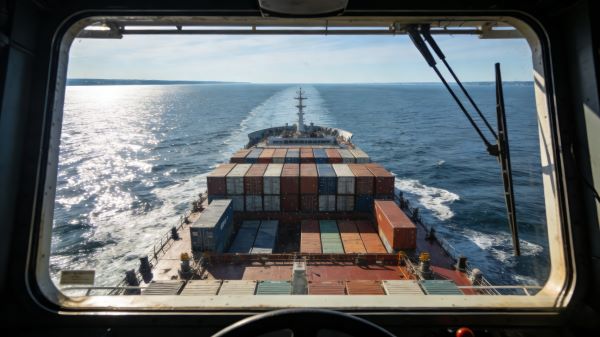
Global port and customs authorities enforce unified time limits for unclaimed cargo disposal. Per 2025 official terminal regulations across Southeast Asian, European and African ports, containers detained for over 90 calendar days will enter mandatory official disposal procedures without further notification.
The recommended approach is to implement a 45-day risk early-warning mechanism for stranded cargo. Once preliminary financial assessment predicts impending value-cost imbalance, operational teams shall prepare legal disposal schemes in advance to achieve timely risk mitigation.
What proactive strategies prevent fee-overrun refused cargo disputes?
Proactive risk control mechanisms effectively reduce the occurrence of refused cargo destination port cases with excessive terminal fees, stabilizing long-term enterprise operational risk management.
Embed value-linked disposal clauses in freight contracts: Forwarders can supplement standardized contractual terms to clarify that forwarders reserve the right to initiate legal abandonment and fee waiver procedures independently if consignee defaults cause port fees to exceed cargo value, without redundant shipper confirmation.
Build dynamic cargo cost monitoring systems: Establish real-time tracking workflows for stranded shipments, conducting regular comparative analysis between accumulated port fees and current cargo market value. Dynamic data supervision enables early identification of potential cost-overrun risks and rapid response deployment.
Strengthen pre-order consignee credit due diligence: For low-value export shipments with high imbalance risks, reinforce pre-transaction credit verification of overseas consignees. Optimize trade payment terms by increasing advance payment ratios to reduce default and cargo abandonment probabilities.
Maintain long-term port strategic cooperation: Stable cooperative relationships with global terminal operators allow forwarding enterprises to access targeted fee relief policies for abandoned cargo. Such resource advantages improve the approval efficiency of legal fee mitigation applications.
What typical legal disposal errors should forwarders avoid?
Non-standard legal operations may amplify financial losses and compliance risks during over-cost refused cargo disposal. Avoiding common operational errors improves enterprise risk management professionalism.
How delayed legal initiation triggers full liability exposure
A common mistake is that operational teams adopt passive wait-and-see attitudes after confirming cargo fee overruns, expecting consignees to resume communication. Continuous detention leads to exponential fee growth, and many ports impose full liability for accumulated arrears on forwarding parties for unreasonable disposal delays.
How non-standard documentation causes application rejection
Some front-line operators submit incomplete application files lacking official valuation reports and default verification materials. Such non-standard documentation fails to meet customs and port statutory review criteria, leading to application rejection, repeated submission costs and prolonged risk cycles.
Against the backdrop of volatile global maritime logistics and rising port operational costs, proficient deployment of compliant legal remedies is critical for forwarders to resolve refused cargo destination port scenarios where terminal charges exceed shipment value. Standardized legal workflows, dynamic risk monitoring and contractual optimization enable forwarding enterprises to mitigate unnecessary liabilities, control operational losses and sustain compliant and stable cross-border logistics services.
Last
Protecting your local client rights during a forwarder disappears cargo pickup emergency scenario
Global freight forwarding enterprises often encounter client claim disputes and unbudgeted financial losses when forwarder disappe
Next
How to handle container cargo pickup if the origin freight forwarder disappears mid transit
Many global logistics practitioners face urgent operational crises when forwarder disappears cargo pickup during container transit

