




Many global logistics practitioners face urgent operational crises when forwarder disappears cargo pickup during container transit, resulting in disrupted vessel schedules, accrued port detention fees, and ambiguous cargo title liabilities. For international freight forwarding enterprises, the abrupt dropout of origin forwarding agents during transit has become a common supply chain disruption amid ongoing volatility in global liner shipping markets.
What causes origin forwarders to disappear during container transit?
A combination of macro market pressures and micro operational vulnerabilities leads origin freight forwarders to cease operations abruptly while containerized cargo is in transit. These overlapping triggers create unforeseen pickup disruptions that leave shippers and partner logistics providers unable to execute pre-planned cargo collection procedures.
According to UNCTAD 2026 Global Shipping Review data, the international maritime logistics sector continues to face sluggish trade expansion and elevated operational unpredictability. Persistent geopolitical tensions, adaptive liner route restructuring, and rising regulatory compliance costs have continuously compressed profit margins for small and medium-sized freight forwarders worldwide.
Most regional forwarding agencies rely on fragile short-term capital turnover to sustain core business workflows including space booking, container dispatch, and pre-carriage cargo pickup. Delayed client settlements, incremental port THC (Terminal Handling Charge) hikes, and unexpected carrier surcharges often trigger capital chain ruptures. Unlike large integrated logistics providers with robust cash reserves, small-scale forwarders lack risk hedging mechanisms, leading to unannounced business suspension during cargo transit cycles.
A common mistake is that most global forwarders prioritize vessel schedule confirmation and pre-shipment cargo inspection, while neglecting continuous credit monitoring and operational stability validation of overseas origin partners. This procedural oversight exposes businesses to sudden agent dropout risks and unplanned cargo collection bottlenecks.
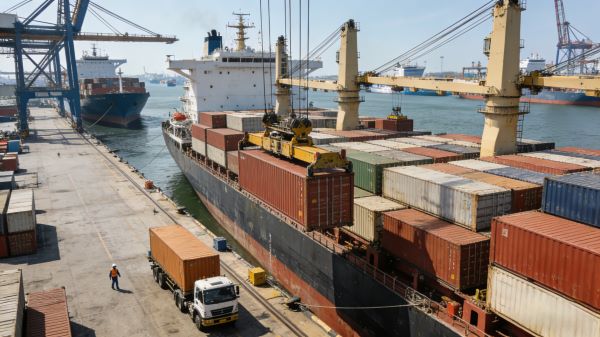
What core risks emerge when forwarder disappears cargo pickup?
The unanticipated disappearance of an origin forwarding agent mid-transit triggers interlocked logistics, legal, and financial risks for cargo owners and collaborating freight forwarders. These hazards directly block standard container pickup workflows and hinder subsequent ocean freight execution.
Failed pickup authorization and port cargo detention
Origin freight forwarders typically hold exclusive port pickup authorization and retain custody of core shipping documents for consigned containers. Once the agent discontinues operations and loses contact, legitimate cargo collection credentials become invalid, resulting in container detention at origin container yards or port terminals. According to Drewry 2026 Maritime Cost Analysis data, detained full containers generate cumulative per-day demurrage and detention charges, creating incremental financial burdens for cargo stakeholders.
Ambiguous liability and cargo title disputes
Without formal document handover and power-of-attorney transfer from the defaulting forwarder, logistics liability boundaries become legally ambiguous. Any subsequent cargo damage, shortage, or transit delay creates complex liability attribution challenges between the defunct forwarding agent, current cargo handler, and cargo shipper, raising cross-border legal dispute risks.
Fluctuating freight costs and schedule delays
Forwarders should note that prolonged port detention stemming from failed pickup procedures severely disrupts subsequent vessel loading arrangements. Per Freightos Baltic Index (FBX) 2026 real-time route data, major east-west shipping lanes maintain frequent short-term freight volatility. Delayed container handover often forces forwarders to surrender pre-booked vessel slots and rebook at prevailing higher spot rates, resulting in unbudgeted operational losses.
How to conduct emergency verification immediately after the origin forwarder disappears?
Timely, systematic factual verification serves as the foundational step to resolve cargo pickup deadlocks caused by defaulting origin forwarders. Standardized inspection workflows enable logistics teams to clarify cargo status rapidly and identify viable operational solutions for emergency mitigation.
Verify real-time container and cargo operational status: Directly liaise with origin port terminals, container depots, and carrier local offices to confirm container positioning, stacking location, customs clearance status, and loading eligibility. Archive all official platform inquiry records, email confirmations, and system screenshots as admissible operational evidence for subsequent cargo release applications.
Audit forwarder operational and credit validity: Cross-check local commercial registration platforms and logistics industry regulatory databases to confirm whether the origin forwarder has undergone business suspension, deregistration, or bankruptcy proceedings. Conduct secondary verification through industry association records and long-term cooperative logistics networks to identify unresolved commercial disputes or sustained service anomalies.
Consolidate full-set cargo title certification documents: Systematically organize contractual agreements, space booking confirmations, commercial invoices, packing lists, and master or house bill of lading drafts. Verify data consistency across all documentary records to substantiate legitimate cargo ownership for new pickup authorization applications.
Reconcile outstanding fees and pending formalities: Consult port finance departments and carrier operation teams to identify unsettled booking fees, terminal handling charges, or pending customs declaration procedures. Resolve all outstanding operational arrears and procedural gaps to eliminate barriers for emergency cargo pickup approval.
What are the standardized solutions to complete cargo pickup smoothly?
Upon completing full-status emergency verification, freight forwarders must implement standardized, carrier-compliant solutions to override invalid original pickup authorization. Structured operational protocols help recover cargo control rights and minimize transit delay losses effectively.
The recommended approach is to initiate official authorization revocation and replacement procedures with ocean carriers and port competent authorities as the primary remedial measure. Since the defaulted origin forwarder holds the initial pickup mandate, formal documentary applications are required to cancel obsolete authorization and secure independent cargo release qualification for the beneficiary forwarder or shipper.
Draft and submit official emergency application dossiers: Compile standardized application packages including enterprise business qualification certificates, formal shipper power of attorney, cargo ownership proof, and a formal situation statement detailing the forwarder’s operational discontinuation. Ensure all documents bear valid corporate seals and authorized signatory endorsements to meet port and carrier review criteria.
Secure official carrier documentary endorsement: Establish direct communication with the carrier’s local operational branch to submit verification dossiers and apply for updated bill of lading release instructions. Carrier-endorsed revision documents constitute the core credential for port terminals to authorize cargo release and container pickup.
Coordinate port authorities for emergency cargo release approval: Following carrier endorsement, submit a formal emergency release application to origin port operation departments. Disclose the special circumstance of forwarder operational dropout and cooperate with terminal staff to complete document auditing and on-site container condition verification.
Execute regulated on-site container pickup and handover: Upon obtaining valid pickup approval, deploy professional logistics staff and qualified haulage vehicles to complete on-site container collection. Record container condition, seal integrity, seal numbers, and cargo packaging status comprehensively to preempt subsequent liability disputes.
For scenarios involving prolonged institutional document auditing cycles, forwarders can submit formal applications for port temporary container storage extension. This legitimate operational measure avoids excessive demurrage penalty fees incurred by procedural waiting periods and reserves sufficient time for formal pickup clearance. Forwarders should note that all temporary operational arrangements must be supported by official written confirmation to maintain full procedural compliance.
How to avoid similar forwarder disappearance and pickup risks in long-term operation?
Ad-hoc emergency disposal only resolves individual cargo pickup crises, while institutionalized long-term risk prevention stabilizes overall logistics operational security. Global freight forwarding enterprises need to optimize partner management mechanisms and internal operational workflows to mitigate market and counterparty uncertainties.
Build multi-dimensional partner credit evaluation systems: Implement rigorous pre-cooperation qualification assessments for all overseas origin forwarders. Evaluate key indicators including sustained operational duration, capital liquidity status, industry complaint records, and historical service performance, and establish tiered partner cooperation thresholds to screen high-risk counterparties.
Enhance contractual risk constraint clauses: Supplement standardized cooperation agreements with specialized risk clauses addressing counterparty operational suspension or mid-transit dropout. Clearly define liability allocation, loss compensation standards, and priority of cargo pickup authorization transfer to establish enforceable contractual safeguards for emergency scenarios.
Adopt segmented document and cargo control mechanisms: Avoid full entrustment of core shipping documents and pickup authorization to a single external forwarder. Implement segmented document handover and real-time transit monitoring throughout the shipping lifecycle to retain dominant control of cargo disposal rights.
Deploy full-cycle transit status monitoring workflows: Arrange dedicated operation personnel to conduct daily tracking of cargo transit progress, partner operational dynamics, and port procedural status. Identify early warning signals such as unresponsive counterparties and delayed formalities to activate pre-emptive risk disposal protocols.
According to WTO 2026 Global Trade Facilitation Report data, supply chain disruptions triggered by logistics counterparty operational defaults account for 18.6% of annual business losses for global small and medium-sized freight forwarding enterprises. Mature long-term risk prevention systems effectively reduce the occurrence rate of cargo pickup failures caused by forwarder discontinuation and improve corporate supply chain risk resilience.
In the complex and fluctuating global maritime logistics market with persistent operational uncertainties, equipping teams with standardized emergency disposal protocols and robust long-term risk prevention systems is essential for forwarders to respond effectively when forwarder disappears cargo pickup, safeguarding the stability and security of cross-border container transit operations.

Last
Legal options for freight forwarders when refused cargo destination port bills exceed product value
Refused cargo destination port incidents frequently incur accumulating container detention charges, terminal storage fees and port
Next
How surveying companies verify container cargo damage evidence chain data during port discharge
Professional marine surveying agencies adopt standardized multi-dimensional validation protocols to audit container cargo damage e

