



Strategic cargo consolidation serves as a proven, cost-effective operational method to improve transportation efficiency for small and medium-sized freight forwarders while minimizing redundant empty container miles across global container logistics networks. Most small forwarding enterprises face structural operational constraints, including fragmented shipment orders, insufficient container load volumes and unstable sailing schedules, which result in low asset utilization and compressed profit margins in cross-border container transport. According to Sea-Intelligence 2025 industry analysis, empty container movements account for 41 percent of global container transport measured in TEU-miles, highlighting systemic resource waste in maritime and drayage operations. For small forwarders with limited fleet capacity and client resources, targeted consolidation frameworks optimize cargo allocation and standardize end-to-end transportation workflows.
What Operational Challenges Limit Small Freight Forwarder Growth?
Operational constraints for small freight forwarders are structural limitations in cargo procurement, fleet deployment and route planning that hinder stable and scalable logistics execution. These gaps render smaller firms more susceptible to operational inefficiencies compared with large integrated logistics providers.
How do fragmented shipment orders undermine operational stability?
Unlike multinational logistics groups with robust cargo volumes and dedicated fleets, most small freight forwarders rely on sporadic low-volume orders and third-party carrier capacity. Their daily operations consist of small-batch, decentralized shipments with inconsistent departure schedules and diverse destination ports. This fragmented order structure fails to support full container load execution, leading to frequent less-than-container load shipments and repetitive independent dispatching arrangements.
What operational mistakes amplify logistics waste?
A common mistake is that many small forwarders prioritize order acquisition over cargo integration, accepting scattered individual shipments without standardized consolidation arrangements. This short-term operational approach triggers excessive fleet dispatching, overlapping route coverage and a higher ratio of partially loaded or empty container trips. Sustained fragmented operations elevate unit logistics costs and erode long-term operational profitability.
How do manual workflows restrict operational refinement?
Most small forwarding enterprises lack specialized logistics management systems and professional scheduling teams. Traditional manual scheduling cannot aggregate multi-client cargo resources or execute unified route optimization. According to UNCTAD 2025 Maritime Transport Review, global containerized trade growth moderated in 2025 amid intensified market competition, making refined cost control and efficiency optimization essential for small forwarders to sustain market participation.
Why Do Cargo Consolidation Strategies Match Small Forwarder Business Models?
Cargo consolidation refers to the standardized operational practice of merging scattered small-batch shipments with compatible routes and overlapping time windows into unified full-container or near-full-container loads. This operational framework aligns closely with the fragmented order characteristics of small-scale forwarding businesses.
How does consolidation resolve cargo and capacity mismatches?
The core value of consolidation lies in mitigating resource mismatches caused by discrete small-batch orders. Forwarders can aggregate multi-client shipments with identical destination ports and consistent transit corridors to form viable full-load container shipments. This practice maximizes container space utilization and fleet capacity, eliminating invalid resource consumption stemming from insufficient individual order volumes.
What standardized rules regulate professional consolidation execution?
Forwarders should note that effective cargo consolidation requires structured screening and classification based on cargo characteristics, sailing schedules, route compatibility and client delivery requirements, rather than arbitrary cargo aggregation. Scientific classification prevents attribute conflicts and delivery schedule discrepancies, preserving service quality while enhancing asset utilization rates.
How does consolidation adapt to volatile market demands?
Consolidation frameworks feature flexible adjustable mechanisms that accommodate unstable order volumes typical of small forwarding operations. When individual client shipments cannot fill a standard container, cross-client cargo integration supplements container capacity without delaying predefined sailing schedules. This operational flexibility enables small forwarders to balance service reliability and cost control amid fluctuating global logistics conditions.
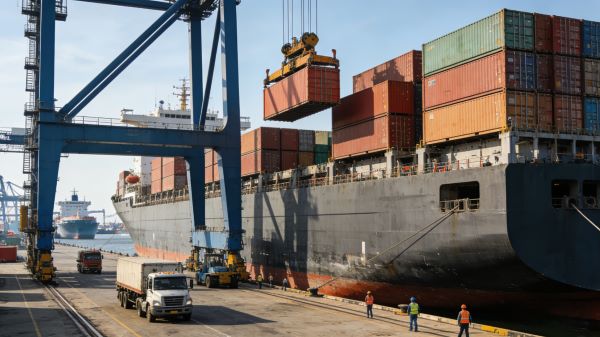
What Practical Consolidation Categories Apply to Global Forwarding Operations?
Industry-standard cargo consolidation strategies cover route planning, time scheduling and cargo attribute classification, addressing distinct pain points in fragmented small-batch logistics operations. Each method delivers targeted efficiency improvements for small freight forwarders.
Route-oriented cargo consolidation: This method integrates scattered shipments sharing identical main shipping lanes and destination terminals regardless of individual order size. Forwarders consolidate discrete small-batch cargoes into unified full-container ocean shipments and implement centralized drayage scheduling. It eliminates repetitive route deployment and reduces redundant empty miles generated by isolated small-order dispatching.
Time-window batch consolidation: This operational model accumulates eligible cargoes with slightly differentiated delivery deadlines within a fixed operational cycle for unified loading and shipment. The recommended approach is to set flexible weekly or biweekly consolidation cycles based on client delivery urgency, balancing transit timeliness and container loading efficiency.
Attribute-compatible consolidation: This classification mechanism integrates general cargoes with consistent storage, packaging and transit conditions while excluding special commodities with strict temperature, safety or isolation requirements. Standardized cargo matching mitigates risks of cargo damage, contamination and attribute conflicts during consolidated transportation.
Cross-forwarder resource consolidation: This collaborative model enables cargo resource sharing among small forwarders with overlapping service routes and terminal coverage. It compensates for insufficient single-enterprise cargo volumes and builds scale-based transportation advantages through industry resource complementarity.
How Does Cargo Consolidation Reduce Empty Miles and Operational Waste?
Empty mile reduction via consolidation describes the systematic elimination of invalid vessel and vehicle mileage caused by underloaded or empty container movements through centralized cargo aggregation and balanced capacity allocation. It targets a primary source of operational waste in small-scale forwarding businesses.
Why do empty miles remain high for small forwarders?
Small forwarders with limited cargo sourcing capacity consistently face imbalanced inbound and outbound container flows. Discrete small orders frequently result in underloaded container shipments, while regional cargo imbalance triggers high volumes of empty container repositioning trips. According to Sea-Intelligence September 2025 industry data, 41 percent of global container TEU-mileage consists of empty container movements, with small and medium-sized forwarders accounting for most fragmented empty-mile trips due to non-scaled operations.
How does consolidation balance cargo flow and capacity utilization?
Route-based and time-window consolidation significantly improves container loading rates and optimizes two-way cargo flow balance. By integrating scattered orders, forwarders can arrange matched round-trip cargo loads for fleets and vessel slots, reducing one-way full-load voyages paired with empty return trips. Unified batch dispatching also eliminates repetitive drayage runs for individual small shipments, cutting invalid mileage between inland warehouses and port terminals.
How does iterative consolidation optimize long-term efficiency?
Forwarders should note that continuous consolidation refinement helps form stable cyclic transportation routes. Long-term accumulation of cargo volume data and route operation patterns enables forwarders to forecast cargo flow fluctuations, pre-adjust consolidation schemes and minimize blind scheduling that leads to unplanned empty container movements.
What Tangible Operational Benefits Does Consolidation Deliver for Small Forwarders?
Standardized cargo consolidation practices create multi-dimensional improvements in cost control, service stability and market competitiveness, supporting sustainable business scaling for small freight forwarding enterprises.
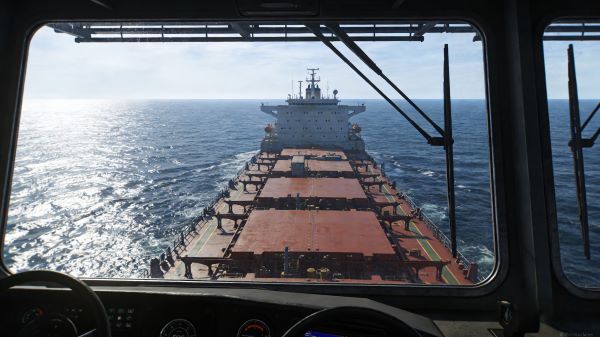
How does consolidation optimize overall logistics costs?
Cargo consolidation lowers unit logistics costs by boosting container loading rates and eliminating empty mileage waste. Full-load container shipments reduce average transportation costs per unit of cargo volume or weight, while decreased invalid mileage cuts fuel consumption, road tolls and fleet depreciation expenses.
Centralized batch shipment also reduces repetitive port entry, customs declaration and cargo handover procedures. Unified processing lowers average procedural costs per order and decreases manual operational workload, realizing comprehensive labor cost optimization for forwarding teams.
How does consolidation stabilize end-to-end service quality?
Batch standardized scheduling regularizes shipment cycles and enhances delivery predictability for small forwarders. Stable consolidation shipment plans eliminate frequent schedule adjustments caused by insufficient individual order volumes, enabling consistent and reliable delivery time windows for clients.
Unified loading, inspection and handling procedures reduce human errors and cargo damage risks associated with frequent small-batch operations. Standardized workflows elevate overall service consistency and client retention rates in competitive logistics markets.
How does consolidation support sustainable business expansion?
By improving resource utilization and eliminating operational waste, consolidation strategies release idle fleet capacity and manpower resources. Optimized operational resources can be allocated to new market development and client expansion, forming a positive cycle of cost reduction, efficiency improvement and business growth.
What Common Consolidation Pitfalls Should Small Forwarders Avoid?
Improper consolidation execution can weaken efficiency gains and introduce operational risks. Small forwarders must avoid typical implementation errors to ensure safe, standardized and high-efficiency cargo integration.
Avoid blind consolidation ignoring cargo attribute compatibility: A common mistake is prioritizing container loading rates while disregarding cargo transportation characteristics. Random integration of general cargo and special goods may cause contamination, extrusion damage or safety hazards. Forwarders must conduct strict pre-consolidation cargo classification to ensure operational compliance and safety.
Avoid unreasonable time-window configuration: Overly prolonged consolidation cycles may delay cargo delivery and compromise client experience. The recommended approach is to set tiered consolidation cycles based on cargo urgency, balancing loading efficiency and transit timeliness requirements.
Avoid incomplete pre-shipment cargo verification: Insufficient sorting of cargo specifications, weight and delivery requirements leads to disordered container stuffing and complicated post-arrival cargo segregation. Forwarders must establish standardized pre-consolidation information verification workflows to clarify all cargo parameters.
Avoid undefined cooperation rules for cross-forwarder consolidation: Cross-enterprise cargo resource sharing requires clear responsibility division and risk allocation mechanisms. Ambiguous cooperation terms may trigger service disputes and loss accountability problems. Standardized cooperation agreements and unified operational SOPs are essential for collaborative consolidation.
How to Build a Sustainable Consolidation System for Long-term Efficiency Growth?
A sustainable consolidation system is a standardized, iterable operational framework covering cargo collection, classification, scheduling and post-operation data evaluation, enabling continuous transportation efficiency optimization for small forwarders.
How to standardize internal consolidation workflows?
Small forwarders can establish standardized daily operational processes to sort order data, classify cargoes by route, time window and attribute, and maintain regular consolidation scheduling logs. Systematic data sorting summarizes cargo flow patterns, providing data references for subsequent scheduling optimization and capacity arrangement.
How to realize data-driven operational iteration?
Forwarders should adopt lightweight digital tools to monitor key indicators including container loading rates and empty mile ratios. Quantifiable operational data helps identify inefficient links and supports targeted consolidation scheme adjustments. Forwarders should note that consolidation rules require dynamic iteration to adapt to changing trade routes, port policies and client order structures.
Amid intensifying global logistics competition and rising operational costs, small and medium-sized freight forwarders face mounting pressure to optimize profit margins and service capabilities. Traditional experience-based fragmented operations can no longer meet refined logistics market requirements. Scientific, standardized cargo consolidation strategies effectively resolve the pain points of scattered orders, low container utilization and excessive empty container movements, allowing small forwarders to maximize limited operational resources, eliminate invalid logistics waste and steadily improve transportation efficiency for long-term market competitiveness.
Last
How experienced logistics coordinators schedule shipments perfectly around volatile carrier blank sailing windows
Experienced logistics coordinators proactively schedule shipments to mitigate disruptions from volatile carrier blank sailing wind
Next
How automating customs paperwork processing helps forwarders optimize logistics cycle performance for clients
Manual customs documentation remains a primary source of unplanned border delays and regulatory non-compliance risks in global cro