




Freight forwarders can deploy regional feeder vessel collaboration mechanisms as flexible and reliable port congestion solutions to safeguard on-time delivery for time-sensitive cargo amid unplanned hub port disruptions. Global port congestion has become a recurring supply chain pain point throughout 2024 and 2025, driven by geopolitical lane reconfiguration, scheduled terminal maintenance, waterfront labor volatility, and seasonal cargo volume surges. According to UNCTAD 2025 maritime transport review data, average vessel waiting times at major global container hubs rose by 23% in advanced economies and 7% in emerging economies compared with late 2023, triggering widespread delays for time-critical cross-border shipments. Leveraging regional short-sea feeder networks represents one of the practical port congestion solutions to bypass saturated main terminals and sustain continuous cargo fluidity.
What defines feeder vessel based port congestion mitigation for urgent cargo
Feeder vessel congestion mitigation refers to a flexible intermodal transshipment strategy that diverts urgent containerized cargo from congested core hub ports to underutilized regional satellite terminals via short-sea feeder shipping lanes. This alternative transit framework reduces reliance on overburdened flagship port infrastructure to mitigate shipment delays.
Unlike conventional long-haul ocean liner rerouting, regional feeder diversion focuses on proximity coastal and intra-regional transshipment, featuring adaptive berthing schedules and lower terminal occupancy pressure. This strategy specifically caters to urgent shipments that cannot endure prolonged anchorage queuing or terminal yard detention at congested hub facilities. Forwarders should note that this tactical model prioritizes emergency risk mitigation rather than routine bulk cargo transportation operations.
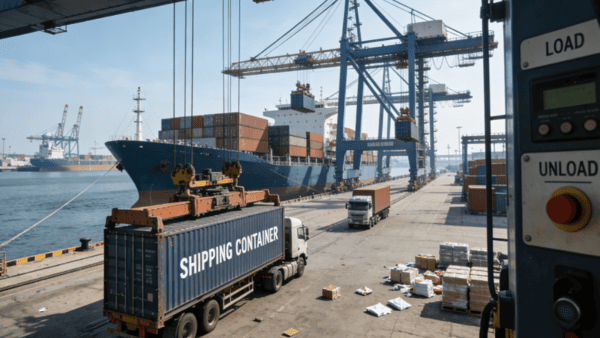
Why do mainstream hub ports face persistent congestion pressure in 2025
Global tier-one container ports sustain continuous operational pressure from shipping lane restructuring, ultra-large vessel deployment, and unscheduled terminal disruptions, creating consistent market demand for alternative emergency shipping pathways.
How do external factors trigger modern hub port congestion
Geopolitical tensions, regional shipping crises, and large-scale mandatory vessel rerouting have reshaped global port operational patterns from 2024 to 2025. Key trade lanes have experienced forced route adjustments, leading to concentrated cargo inflows at individual hub ports and unbalanced terminal workload distribution. According to UNCTAD 2025 official data, global maritime trade volume grew by 2.2% in 2024 yet slows to a projected 0.5% growth rate in 2025; despite overall sluggish growth, disordered cargo redistribution keeps port congestion frequency at elevated levels.
What operational defects amplify hub port delay risks
Major hub ports adopt standardized yet rigid operational protocols, with fixed berth allocation schemes and rigid vessel anchorage queuing systems. Any operational interruption caused by facility maintenance, labor reshuffling, or sudden official inspections triggers massive container cargo backlogs. A common mistake is that many forwarders retain fixed hub port booking habits after official congestion alerts are issued, exacerbating delay losses for time-sensitive customer orders.
What advantages make regional feeder vessels ideal for urgent shipment rescue
Regional feeder shipping networks deliver unique operational flexibility and terminal compatibility, filling service gaps left by congested core hubs and supporting reliable emergency delivery for urgent freight.
Adaptive berthing and scheduling flexibility: Regional feeder vessels operate semi-flexible itineraries instead of rigid fixed schedules, enabling real-time berthing window adjustments based on satellite terminal operational conditions. These vessels are exempt from the strict queuing protocols enforced on ultra-large ocean liners at core hubs, accelerating berthing, loading and departure procedures for urgent cargo and shortening overall port turnaround time.
Reduced terminal occupancy and queuing pressure: Secondary regional feeder terminals maintain far lower and more stable occupancy rates compared with overcrowded flagship hubs. According to UNCTAD 2025 port performance statistics, regional satellite terminals record 40% shorter average vessel waiting times than tier-one container hubs during peak congestion periods, providing stable alternative transshipment capacity.
High compatibility with urgent cargo transit demands: Short-sea feeder routes focus on adjacent-region and coastal transshipment, which aligns perfectly with the time-sensitive requirements of urgent shipments. This diversion method avoids long-distance route detours, keeping incremental transit time increases within acceptable ranges for most time-critical commercial orders.
Effective cargo load balancing capacity: Dispersed regional terminal resources effectively decompress concentrated cargo accumulation at congested hub ports. Reasonable feeder diversion prevents large-scale container backlogs and curbs the continuous accumulation of vessel demurrage and container detention fees for urgent shipments.
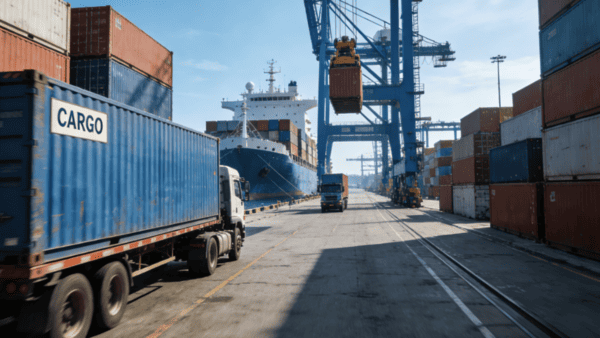
How to implement feeder vessel strategies as temporary port congestion solutions
Standardized feeder cargo diversion workflows enable forwarders to accurately identify congestion risks, match qualified alternative routes, and complete seamless transshipment for urgent freight during port disruption emergencies.
Execute real-time congestion tier evaluation: Forwarders continuously monitor official hub port operational bulletins, vessel anchorage queuing data, and terminal yard occupancy metrics. Combined with UNCTAD real-time port performance indicators, teams classify congestion severity levels and scientifically judge the necessity of feeder diversion for individual urgent shipments.
Screen qualified regional terminals and feeder routes: The recommended approach is to select secondary terminals with stable handling throughput, complete electronic customs clearance systems, and mature feeder route coverage. Priority screening targets facilities with verified transshipment stability and low disruption frequency to guarantee cargo safety and delivery timeliness.
Validate feeder vessel capacity and schedule availability: Operational teams verify real-time vessel slot availability, cargo loading cut-off deadlines, and full transshipment cycle duration for selected feeder routes. Comprehensive capacity verification eliminates secondary delays caused by insufficient slot resources or temporary schedule adjustments after cargo diversion.
Update booking and customs declaration documentation: Timely revise port of loading, transshipment port, and carrier vessel information in booking records and customs filing documents. Standardized document modification procedures prevent declaration discrepancies that may trigger customs holds and cargo detention.
Maintain end-to-end transshipment tracking: Establish full-lifecycle monitoring covering inland drayage to regional terminals, feeder vessel loading, short-sea transit, and final hub port connection. Dynamic operational tracking allows timely response to minor operational anomalies and ensures steady cargo progression.
What hidden risks exist in feeder vessel diversion operations
While feeder vessel diversion effectively alleviates hub port congestion, non-standardized emergency operations may introduce secondary logistics risks that compromise urgent cargo delivery stability.
Underestimating incremental transshipment lead time: A common mistake is overlooking additional turnaround time consumed by secondary terminal loading and cross-port transshipment procedures. Blind diversion without precise lead-time assessment may still result in missed delivery deadlines for ultra-urgent customer orders.
Neglecting differentiated terminal operational standards: Regional secondary terminals maintain distinct cargo handling protocols, cut-off rules, and customs clearance procedures compared with mainstream hub ports. Forwarders should note that unadapted operational practices may cause declaration errors and loading delays without prior process adjustment.
Overlooking feeder route schedule volatility: Many regional feeder routes feature lower weekly voyage frequencies and weaker schedule reliability compared with premium long-haul liner services. Temporary vessel suspension or route adjustment may disrupt pre-planned emergency delivery arrangements for diverted cargo.
Failing to control incremental logistics expenditures: Feeder transshipment generates additional terminal handling charges and short-sea freight fees. Unplanned large-scale diversion without cost-benefit analysis may substantially raise overall logistics expenditure for shippers.
How to optimize feeder vessel cooperation for sustainable emergency congestion relief
Long-term standardized layout of regional feeder route resources empowers forwarders to build robust emergency response mechanisms to tackle recurring port congestion risks for time-sensitive shipments.
How to build a classified feeder route resource library
Forwarders can compile a categorized database of mature regional feeder routes covering major global trade lanes, recording core operational parameters including transshipment duration, service frequency, freight cost ranges, and applicable cargo specifications. According to ITC Trade Map 2025 logistics benchmark data, logistics enterprises with standardized alternative route databases reduce emergency response latency by over 45% during port congestion incidents.
Why long-term feeder carrier partnerships deliver stable value
Sustained strategic cooperation with regional feeder carriers and satellite terminal operators enables forwarders to access stable slot reservation entitlements and priority loading privileges during peak congestion cycles. Preferential resource access guarantees the smooth execution of emergency diversion schemes for high-priority urgent shipments.
How to formulate tiered cargo diversion rules
Forwarders shall establish hierarchical diversion standards based on cargo urgency grades, commodity characteristics, and contractual delivery obligations. Ultra-urgent premium cargo adopts rapid feeder diversion schemes, while conventional bulk cargo applies delayed diversion or on-site waiting strategies to balance operational efficiency and cost control.
In summary, collaborating with regional feeder vessels to implement emergency cargo diversion stands as one of the most practical and flexible port congestion solutions for global forwarders to mitigate sudden hub port congestion and secure on-time delivery of urgent shipments. Through standardized risk assessment, scientific route screening, and systematic operational optimization, forwarders can effectively reduce congestion-induced transit delays, control secondary logistics risks, and sustain stable and professional cross-border freight service capabilities amid volatile global port operational environments.
Last
What years of fcl container shipping experience taught us about managing carrier allocation
Years of FCL Shipping Experience empowers professional freight forwarders to develop data-backed carrier allocation strategies tha
Next
Leverage your global international reach to build logistics solutions with proven agent experience
Reliable international logistics experience empowers global freight forwarders to expand cross-border operational coverage, integr

