






In the international freight forwarding industry, timeliness and cost are at the core of operations — and also the most common sources of disputes and risks. A recent case involving falsified invoices has sounded the alarm for freight forwarders: fabricating or altering invoices to shift costs or evade responsibility not only destroys platform trust but may also cross legal boundaries. This article analyzes the case in detail, outlines the legal basis and penalties, and provides practical risk mitigation guidelines.
I. Case Review: A “Fake Invoice Trap” Behind the Cut-off Date Shock
In July 2025, Company A entrusted Company B to handle an ocean shipment from Tianjin to Hamburg. The booking details were clear, and all key time nodes were well-documented. On July 22, Company B informed Company A that the cargo cut-off date had passed and demanded a “cancellation fee” of USD 5,000 per shipment, warning that otherwise the cargo would be rolled to the next vessel, with additional costs borne by Company A. Company A questioned the charge and filed a complaint.
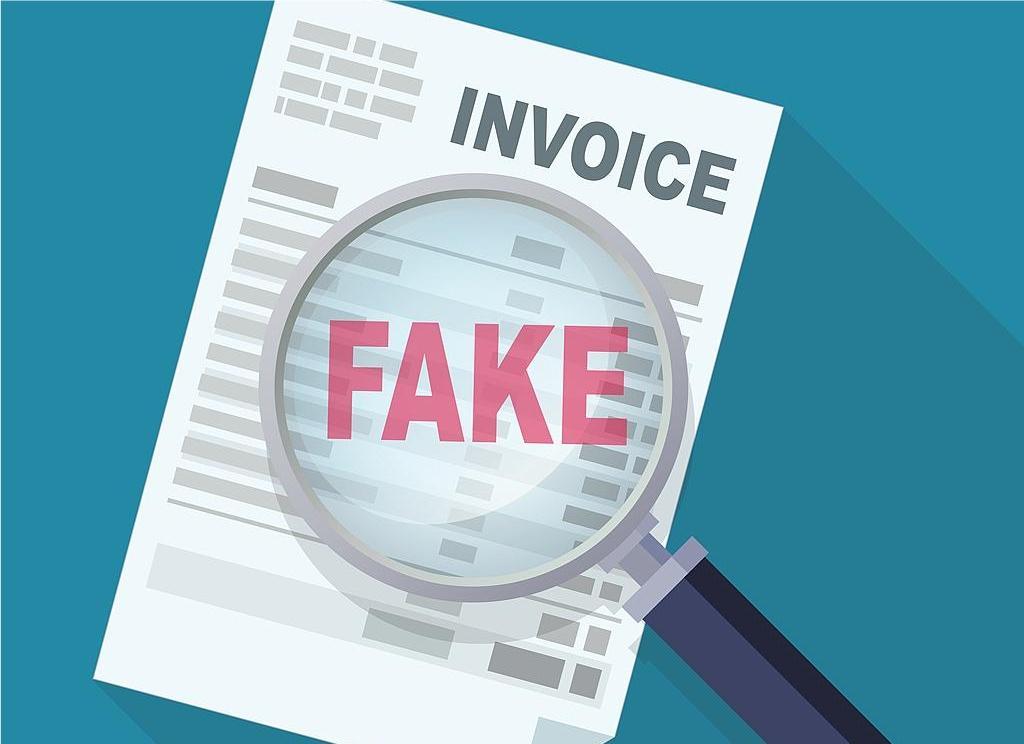
The platform intervened and requested that Company B provide the invoice for the “cancellation fee.” Company B submitted an invoice for USD 1,200 allegedly issued by a master forwarder. Upon verification, the “USD 1,200 invoice” was found to be a falsified document worth only RMB 2,145.12, with a completely different description and amount. The evidence of falsification was conclusive.
II. Legal and Contractual Basis: Dual Constraints from Contract Clauses and Law
According to Article 4.7.3 of the Membership Contract, if a member provides false information or documents as evidence, the platform has the right to impose disciplinary actions, including suspension of membership status. From a legal standpoint, fabricating or tampering with invoices constitutes a high-risk and potentially criminal act under Chinese law.
III. Disciplinary Action: Zero Tolerance to Protect Platform Integrity
Since Company B submitted falsified invoices and violated the Membership Contract, thereby damaging platform credibility and the fair competition environment, the platform decided to suspend its membership. Additionally, all historical business transactions of Company B will be reviewed, and any further violations found will result in additional penalties as per platform rules.
This case demonstrates the platform’s zero-tolerance policy toward fraudulent documentation and dishonest conduct. Freight forwarders must uphold integrity and compliance as fundamental principles of business operation.
IV. Risk Mitigation Guide: Four Steps to Avoid “Invoice Traps”
1. Contract First – Define Fee Boundaries
Sign written contracts in advance, clarifying all key clauses. Specify calculation standards and bases for easily disputed charges. For example, cancellation fees should clearly define the triggering conditions, calculation methods, and upper limits. Include detailed dispute resolution procedures (negotiation, mediation, arbitration) to ensure efficiency if conflicts arise.
2. Transparent Process – Maintain Traceable Evidence
Ensure full traceability and documentation during execution. Follow all contractual procedures strictly and record every critical step (e.g., cut-off dates, loading times). Notify clients promptly and retain proof of communication. Any change in cost or additional charge must be supported by authentic and verifiable documentation and confirmed in writing by the client. Archive all communications, invoices, and correspondence with partners for future reference. Financial invoices must be genuine — never alter amounts, fabricate descriptions, or use falsified documents.
3. Timely Response – Cooperate with Platform Oversight
Establish an internal record of dispute resolutions. When a cost dispute occurs, keep written records of negotiation processes. If falsified evidence or documents are discovered, immediately report to the platform for investigation and resolution.
Conclusion: Integrity Is the True Currency of the Freight Forwarding Industry
Company B’s membership suspension due to falsified invoices resulted in severe reputational and operational losses. For any freight forwarder, compliance and transparency are not mere formalities but vital competitive advantages. Only by maintaining integrity and standardizing practices can enterprises ensure sustainable development under industry regulations.
We will continue to analyze real cases and share practical guidance.
Last
No Payment, No Release? Freight Forwarder Found Guilty — Full Refund Ordered
'No payment, no release' it sounds like a freight forwarder’s “final line of defense.” Yet once the case reaches court, this pract
Next
Who Should Bear the Responsibility for Nearly RMB 2 Million Cargo Damage? A Must-Read for Freight Forwarders! Joint Liability Risk Case
In the international freight forwarding industry, accidents caused by the misdeclaration of dangerous goods often result in huge l

