






In October 2024, a batch of unsold garments transshipped through Dubai to Karachi by a Qatari supply chain company triggered a cross-border storm at the Port of Karachi, Pakistan. Due to the intermediary forging customs clearance documents, three containers were detained by customs. The freight forwarder was forced to pay a hefty fine and spent five months before managing to resell 75% of the goods under a “bonded zone temporary storage” arrangement. This $180,000 trade dispute exposed the hidden grey customs clearance industry chain behind transshipment trade.
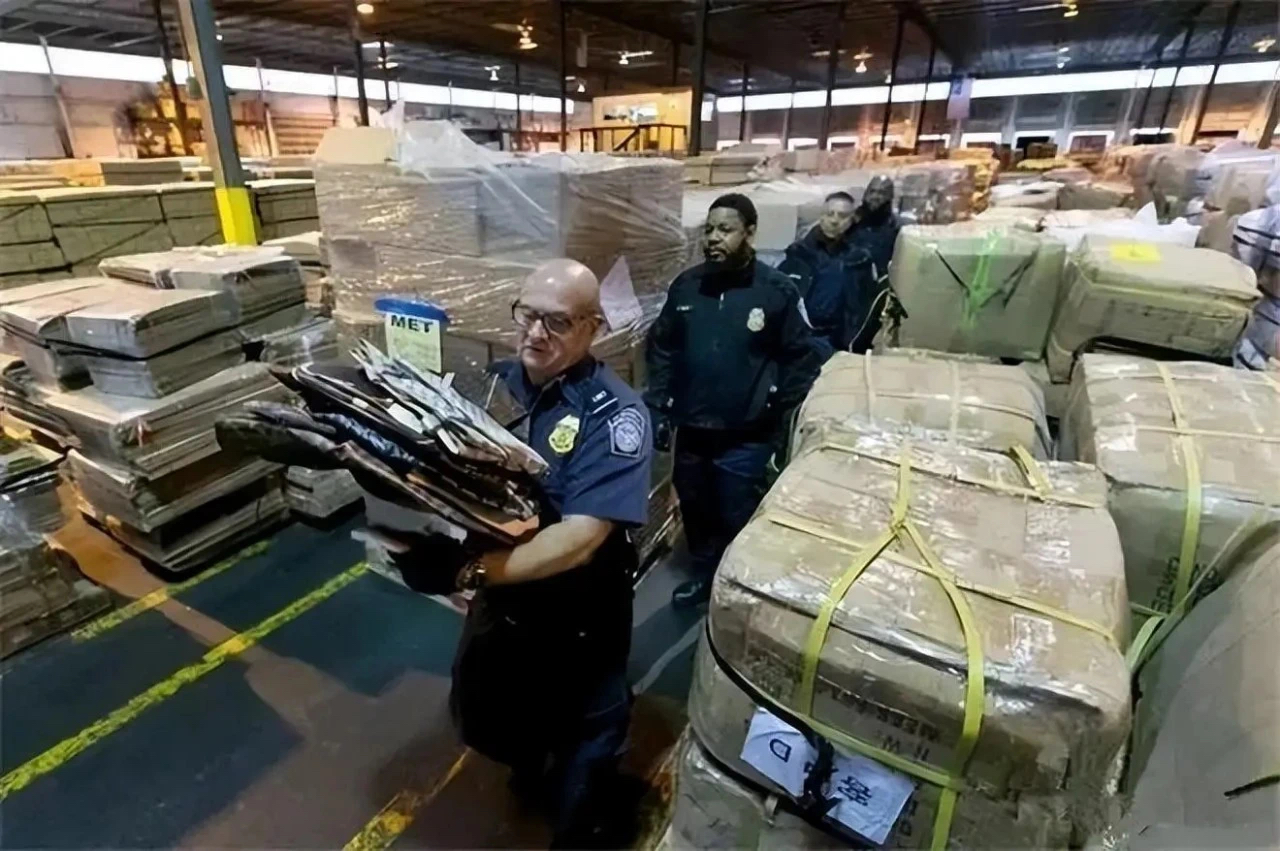
Bloodstained Clearance: From a “Double Consignee” Bill of Lading to Smuggling Allegations
The bill of lading for the involved containers prominently listed a “Dubai buyer” as consignee, while the actual recipient was a Pakistani importer. This “double consignee” operation aimed to circumvent Pakistan’s high import duties, but the discrepancy between the clearance documents and the cargo flow led customs to classify it as smuggling. Karachi customs inspectors revealed that in 2024 alone, at least 10 freight forwarders were blacklisted in international logistics due to similar cases.
Lured by the high profits of grey customs clearance, some Pakistani intermediaries formed interest alliances with local customs brokers. They evaded duties by altering HS codes, underreporting cargo value, and even colluding with customs officers to create a façade of “legal clearance.” Once exposed, freight forwarders often face dual blows—confiscated cargo and destroyed credit.
1.Container Conflict: “Shadow Operations” at the Dubai Hub
The three involved containers departed from Doha Port with the declared destination of Jebel Ali Free Zone in the UAE. The contract between the freight forwarder and the Dubai intermediary stated the cargo would be “temporarily stored in a bonded warehouse pending resale,” but in reality, it only stayed in Dubai for 72 hours before being transshipped to Pakistan via a “shadow bill of lading.”
Key evidence: Dubai customs records showed the containers did not undergo formal import procedures but were quickly transshipped under the name of “temporary transit.” The consignee on the bill of lading suddenly changed from Dubai’s AN-Madina Trading to Karachi’s S.K. Textile.
2.“Precision Forgery” in Grey Clearance
The Pakistani intermediary forged three types of documents:
Packing List: Reclassified 28,000 pieces of unsold clothing as garment accessories under a different HS code, reducing the tax rate from 35% to 12%;
Commercial Invoice: Falsely reported cargo value as $55,000 instead of $180,000
Exposed loophole: During X-ray scanning, Karachi customs noticed anomalies in cargo shapes. Upon inspection, the actual cargo type and quantity deviated from the documents by more than 30%.
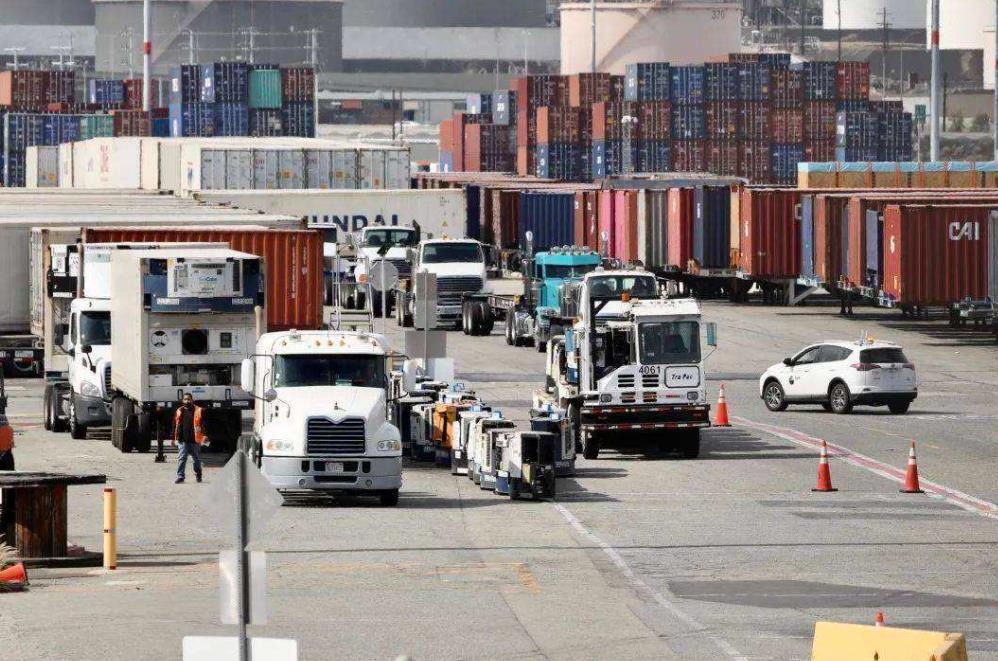
Chain Reaction: From Low-Priced Bookings to Financial Black Hole
The Poisonous “Tax-Included Clearance” Cake: Some freight forwarders undercut the market by 30% to win clients. To keep costs low, they relied on false declarations and misreporting cargo names. Once caught by customs, this leads to cargo seizure and massive fines.
When Pakistan’s Federal Board of Revenue launched the “Clean Customs 2024” anti-corruption campaign, the involved customs broker quickly destroyed its account books and shifted the blame for the forged documents onto the freight forwarder.
Pakistan Customs “Black and White List”
According to the Pakistan Business Chronicle, of the 12,000 violations seized by Karachi Customs in 2024, 32% involved major freight forwarder violations including:
- “Double Consignee” Bills of Lading (41%)
- HS Code Tampering (29%)
- False Valuation (18%)
Breakthrough Strategy: Three Lines of Defense to Build a Firewall
1. Optimize Bill of Lading Clauses
Mandate the inclusion of NTN Tax Number (for Pakistani importers) and carrier’s right of disposition statement;
Reject “Double Consignee” bills of lading, ensuring consignee matches end user.
Document Archive: Keep contact info of certificate of origin issuer and identity of invoice signer for customs verification.
2. Select Quality Agents
Qualification Review: Prioritize freight forwarders with PSWCA certification or AEO qualification, and verify customs history via PakTrade platform.
For transshipment trade, implement a “pre-declaration + deposit” system to avoid passivity upon cargo arrival.
3. Risk Hedging Strategy
Risk Hedging: Purchase Forwarder Liability Insurance, Covered due to documentation error or customs seizure.
Choose Credit Assurance Services: For details, refer to our Credit Assurance Order service to avoid accounts receivable risk. Keep risk under control.
This $180,000 dilemma was eventually resolved through a customs appeal submitted via the WEBOC system, reducing the initial $80,000 fine to $23,000.
Ultimately, the freight forwarder ended up paying clearance fees equal to 62% of the cargo’s value. This ordeal reveals how a “low-cost shortcut” in transshipment trade logistics can teeter on the edge of a high-risk abyss. Under Pakistan Customs’ new rule requiring that “bill of lading consignee must match end user,” perhaps the only way to avoid becoming the next casualty in the grey zone is to factor compliance costs into the cost of survival.

If you're new to re-export trade and unsure about the performance reliability of your freight forwarder, you can opt for a Credit Assurance order to handle your logistics operations. This way, your transaction funds are protected!
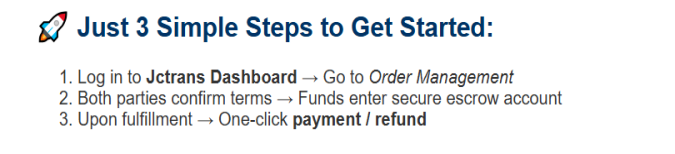
First 3 Orders FREE for New Users
· Zero-cost trial
· 1-on-1 support from a risk control expert
· Shorten payment cycles by up to 50%
If you have any inquiries, email: wangyu@jctrans.com
For more Risk Control news, please refer to Risk Case:Risk Sharing|Risk Prevention-JCtrans Risk Control Guideline
Last
Customs Tighten Oversight of Transshipment Trade, Escalating Logistics Risks—How Can Freight Forwarders Ensure Transaction Security?
The Two Mainstream Transshipment Operations in the MarketPure Transshipment Trade Goods undergo simple handling (e.g., relabeling
Next
Navigating the Storm: How Freight Forwarders Can Freeze Risk Amid Tariff Turbulence and Cargo Abandonment Crises
🌐 Navigating the Storm: How Freight Forwarders Can Freeze Risk Amid Tariff Turbulence and Cargo Abandonment CrisesIn today’s high

