



Recently, the JCtrans City Salon, themed “Emerging Markets and New Business Opportunities for International Freight Forwarders in Qingdao,” was held in Qingdao.
The event brought together the JCtrans team and more than 100 freight forwarding professionals to discuss emerging market expansion, shifts in cargo flows, platform tools, and cross-border cooperation. Drawing on market trends, business practices, and real-world cases, participants discussed how freight forwarders can find new business opportunities amid intensifying competition and turn global resources and market demand into actual business.
Market Changes and New Business Opportunities
Qingdao Port's strengths and the city's strong manufacturing base provide important support for the local international freight forwarding industry. However, as competition intensifies, relying solely on traditional routes and standard port-to-port rates is no longer enough to meet customers' increasingly diverse logistics needs.
At the opening session, Fairy Wang, Customer Success Manager at JCtrans, delivered a presentation titled “How Qingdao Freight Forwarders Can Identify New Opportunities Across Ports and Industries and Turn Them into Orders.” Drawing on data from Qingdao Port and the foreign trade market, she analyzed changes across different export markets and shared practical ways to identify business opportunities by focusing on niche markets, industrial customers, and core services.
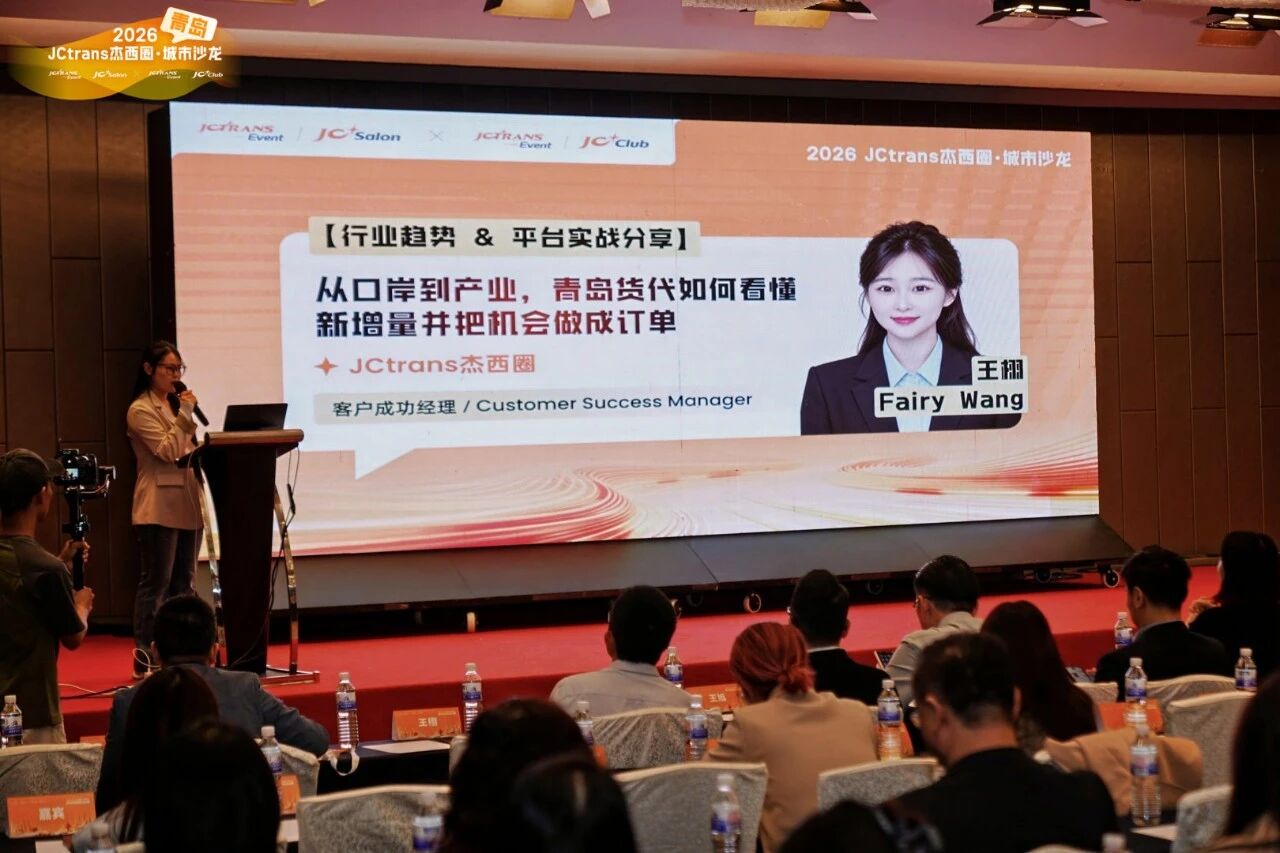
Different markets such as ASEAN, Russia and Central Asia, Africa, and Latin America call for different approaches. Meanwhile, industries including automotive, machinery and equipment, wind power equipment, and industrial robotics are creating demand for a wider range of logistics services. Companies need to assess which markets are worth pursuing and which industrial customers offer long-term potential based on their resources and service capabilities. Rather than pursuing several popular markets at once, freight forwarders should focus on areas that match their strengths, understand customers' cargo flows, product characteristics, and destination port requirements, and then develop suitable services.
Fairy Wang also demonstrated practical applications of the JCtrans platform, including target partner matching, company information verification, company storefront display, inquiry management, quotation follow-ups, and business performance reviews. Finding a business opportunity is only the first step. Timely responses, a clear understanding of customer needs, and consistent follow-up on inquiries that have not converted into orders are equally important to securing business.
Supporting Business Development Through Platform Tools and Services
After identifying market opportunities, freight forwarders also need to find suitable partners, showcase their capabilities, and secure support for cooperation.
Jeff Zhou, Vice President, Product at JCtrans, delivered a presentation titled “The JCtrans Platform and Membership System: Connecting Freight Forwarders with Global Resources.” He introduced the platform's membership services and related features, focusing on business opportunity matching, company capability showcase, cooperation risk protection, and digital tools for business operations.
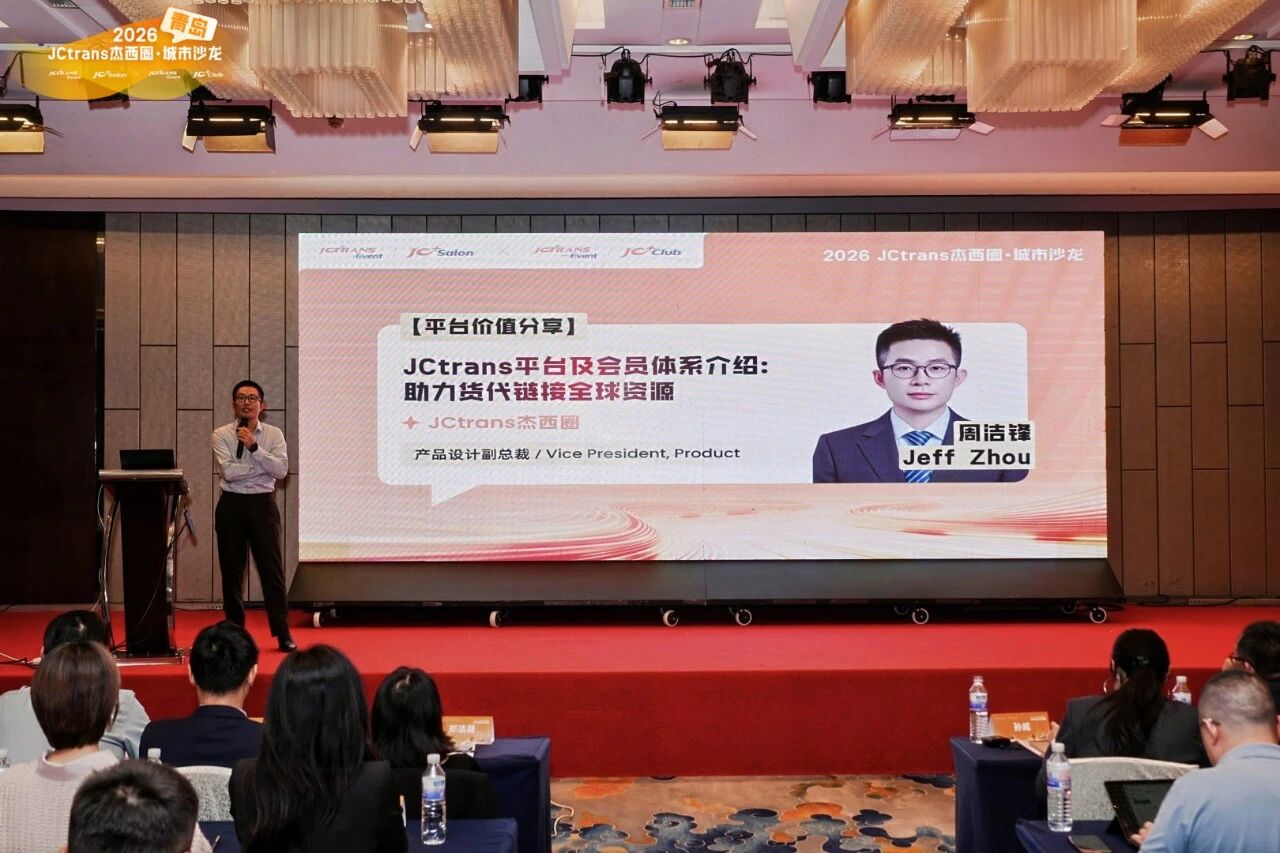
A company profile on the platform should offer more than a basic introduction and contact details. Clear information about core services, service coverage, operational capabilities, and relevant qualifications helps potential partners understand a company's strengths and assess whether there is a basis for cooperation.
Jeff Zhou also introduced JC Verified, JCtrans's company verification service developed in cooperation with SGS, along with services covering cooperation risk protection, dispute resolution, shipment tracking, and data tools. Company verification and risk protection serve different purposes. Choosing the right tools for specific business needs helps companies make better use of the platform's services.
Seven Sun, Vice President, Domestic Sales at JCtrans, then introduced the exclusive policies and member benefits available at the salon. These included membership services, overseas conferences, customer referrals, and value-added services related to payments and insurance.
Different services address different business needs, including finding opportunities, showcasing company capabilities, and supporting cooperation. The key is not how many tools a company uses or how many services it purchases, but whether the solutions match its target markets, business scale, and operational challenges.
Member Insights: Emerging Markets and Overseas Operations
The real test of a market opportunity is whether it works in practice.
The salon invited Stanley Tseng, Executive President for North China at the Qingdao Branch of Oriental Logistics Group Ltd. (Shenzhen), and Xing Chen, Managing Director of CargoStern GmbH to share their experience in emerging market expansion and European destination operations, respectively.
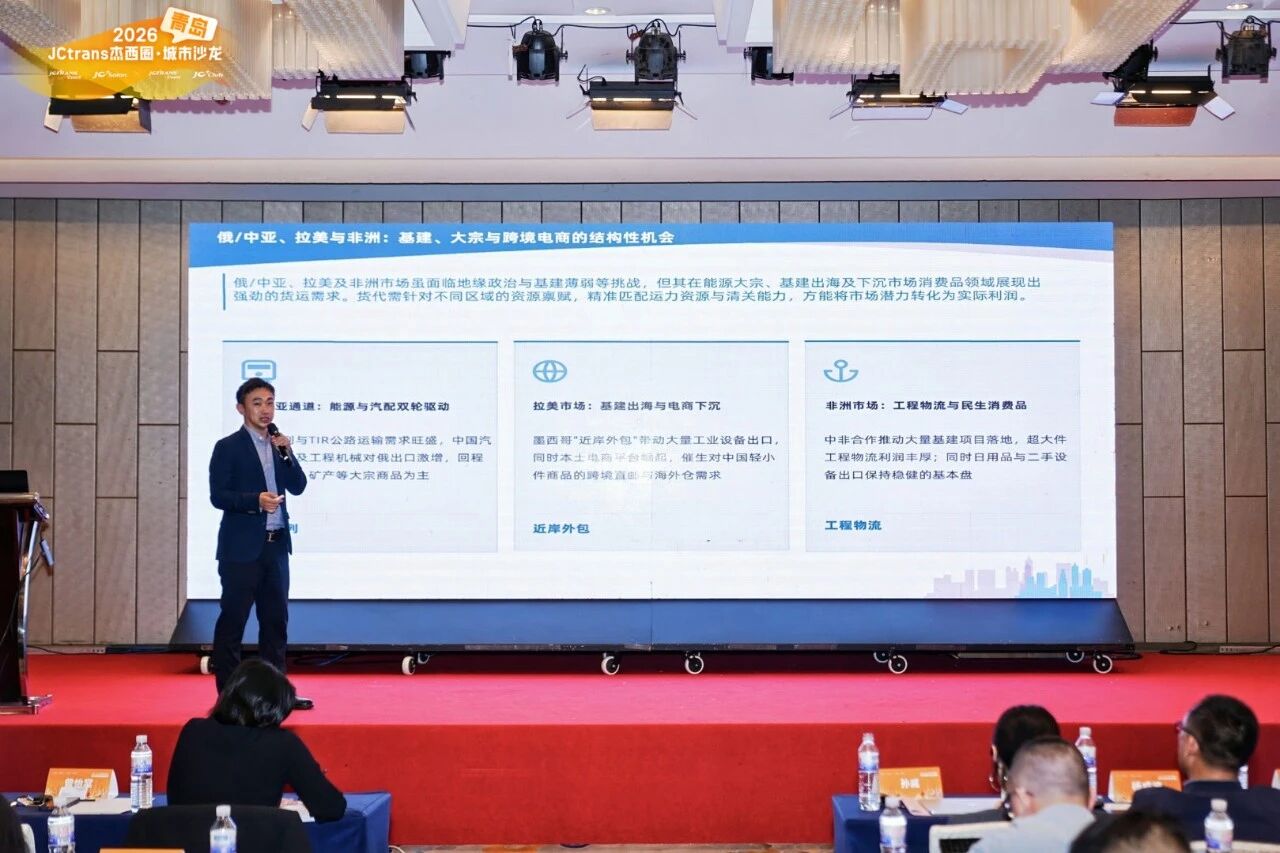
Mr. Zeng delivered a presentation titled “Building on Existing Business and Tapping New Opportunities: A Qingdao Freight Forwarder’s Insights into Emerging Market Expansion.” Drawing on years of industry experience, he discussed the challenges facing traditional freight forwarders, including greater rate transparency, shrinking profit margins, and rising operating costs.
As customers increasingly demand end-to-end transportation solutions, visible tracking at key milestones, and customized services, companies need to improve not only quotation efficiency but also their ability to handle complex logistics requirements.
Mr. Zeng also discussed business opportunities in Southeast Asia, Russia and Central Asia, Latin America, and Africa in light of changes in industrial supply chains. He emphasized that freight forwarders of different sizes should choose expansion strategies suited to their own circumstances. Companies with sufficient resources and management capabilities may consider establishing an overseas presence, while small and medium-sized freight forwarders can focus on specialized segments such as cold chain logistics, dangerous goods, and special containers, working with reliable overseas agents to expand their service capabilities.
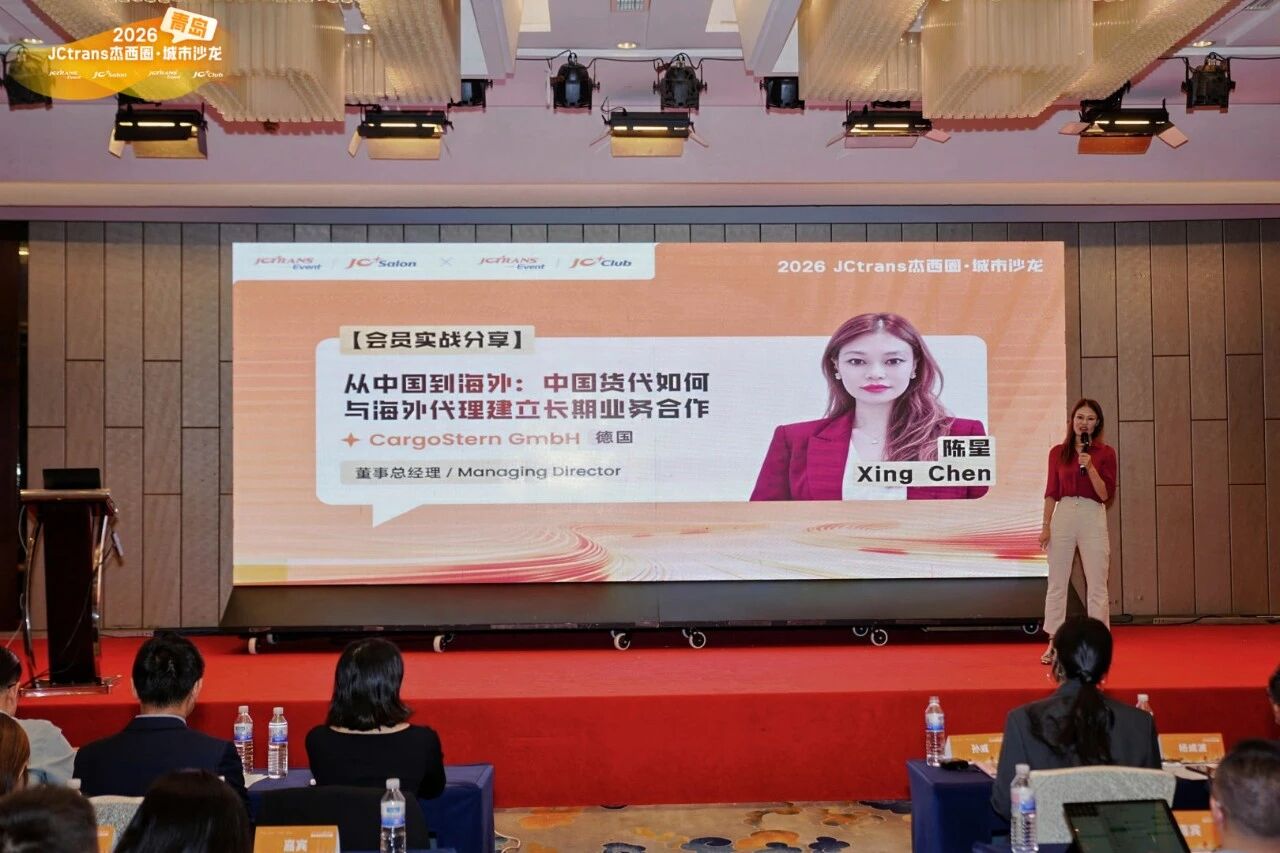
In her presentation, “How Chinese Freight Forwarders Can Build Long-Term Business Partnerships with Overseas Agents,” Xing Chen focused on practical operations at European destination ports.
Once cargo arrives at its destination, customs clearance, truck delivery, tax arrangements, warehouse unloading, and unexpected charges can all affect the final delivery cost. Policies, port systems, and operational requirements vary across countries, so comparing quotations alone is not enough to determine whether an agent can provide reliable service.
Drawing on European business cases, Chen shared practical approaches to collecting quotation information, managing project reference numbers, tracking transportation milestones, and handling exceptions. She also stressed the importance of clarifying responsibilities, cost arrangements, and contingency plans before cooperation begins.
Successful shipment execution depends on more than price. Destination-side resources, communication, and problem-solving capabilities also matter. For Chinese freight forwarders and overseas agents, clearly defined responsibilities, timely responses, and transparent costs lay a solid foundation for long-term cooperation.
The two presentations covered different aspects of the business, market expansion and destination-side operations, but shared the same message: companies need the capabilities to handle new business, manage risks, and deliver reliably while tapping new opportunities.
Roundtable Discussion: Where Are the New Business Opportunities for Qingdao Freight Forwarders?
The salon continued with a roundtable discussion moderated by Thomas Shi, Director of Key Accounts and General Manager of JC Club at JCtrans. The panelists were Zhao Xin, General Manager of Genson Logistics Co., Ltd.; Cavan Chi, General Manager of Shandong Aoyuanda Logistics Co., Ltd.; Mark Yang, General Manager of Broadway Pacific International Logistics (Qingdao) Co., Ltd.; David Wang, Chairman of the Board of VAST Group; and Xiao Zhong, General Manager of Dels Spedition GmbH.
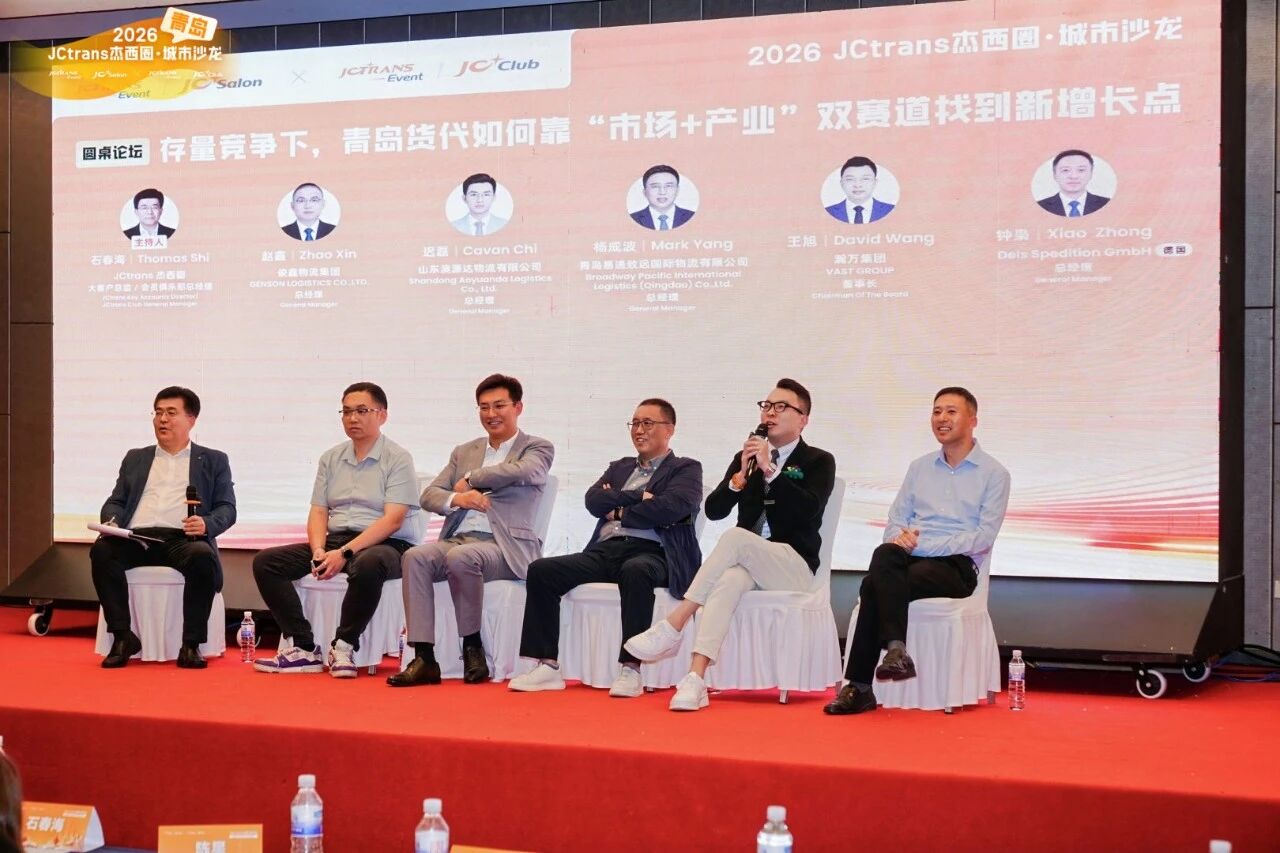
Under the theme “How Qingdao Freight Forwarders Can Find New Opportunities Through Markets and Industries Amid Intensifying Competition,” the panelists shared their business experience and discussed market selection, customer development, service upgrades, and business strategy.
Finding New Opportunities Starts with Understanding Existing Customers
Mark Yang discussed opportunities in industries such as automotive and auto parts and renewable energy, as well as markets including Central Asia, Russia, and Africa. He explained how freight forwarders can identify potential business by examining existing customers' cargo flows, new shipping routes launched by carriers, and port data. He also noted that smaller freight forwarders can broaden their service coverage by collaborating with industry peers and pooling resources, rather than investing independently in every capability.
Drawing on his long-term experience in the African market, Cavan Chi emphasized that developing new routes is only part of the picture. Freight forwarders should also look more closely at existing customers' needs for specialized product categories and additional services. Providing more comprehensive services to existing customers can create further business opportunities.
Service Capabilities Determine What Business a Company Can Handle
Zhao Xin shared a case in which an adjusted transportation plan and integrated resources helped deliver a shipment involving complex transportation requirements. He reminded companies entering new markets to understand customs clearance rules, destination charges, and payment collection risks in advance, avoiding situations where potential losses outweigh the profit from an individual shipment.
Drawing on the experience of providing localized services in Germany and across Europe, Xiao Zhong discussed demand for warehousing, transportation, and supply chain services generated by Chinese companies expanding overseas. He pointed out that customers look beyond price and also assess whether a provider has clear procedures and alternative plans for unexpected situations such as cargo damage and delays.
Growth matters, but so does having the resources and capabilities to support it.
David Wang shared insights from his experience in less-than-container-load (LCL) shipping and business management. He highlighted the importance of operational scale and efficiency, differentiated services, customer positioning, and organizational capabilities in long-term business development. The discussion showed that market expansion should not depend solely on the short-term popularity of a particular country or route. Companies also need to consider their own resources, team capabilities, supplier collaboration, and long-term market demand.
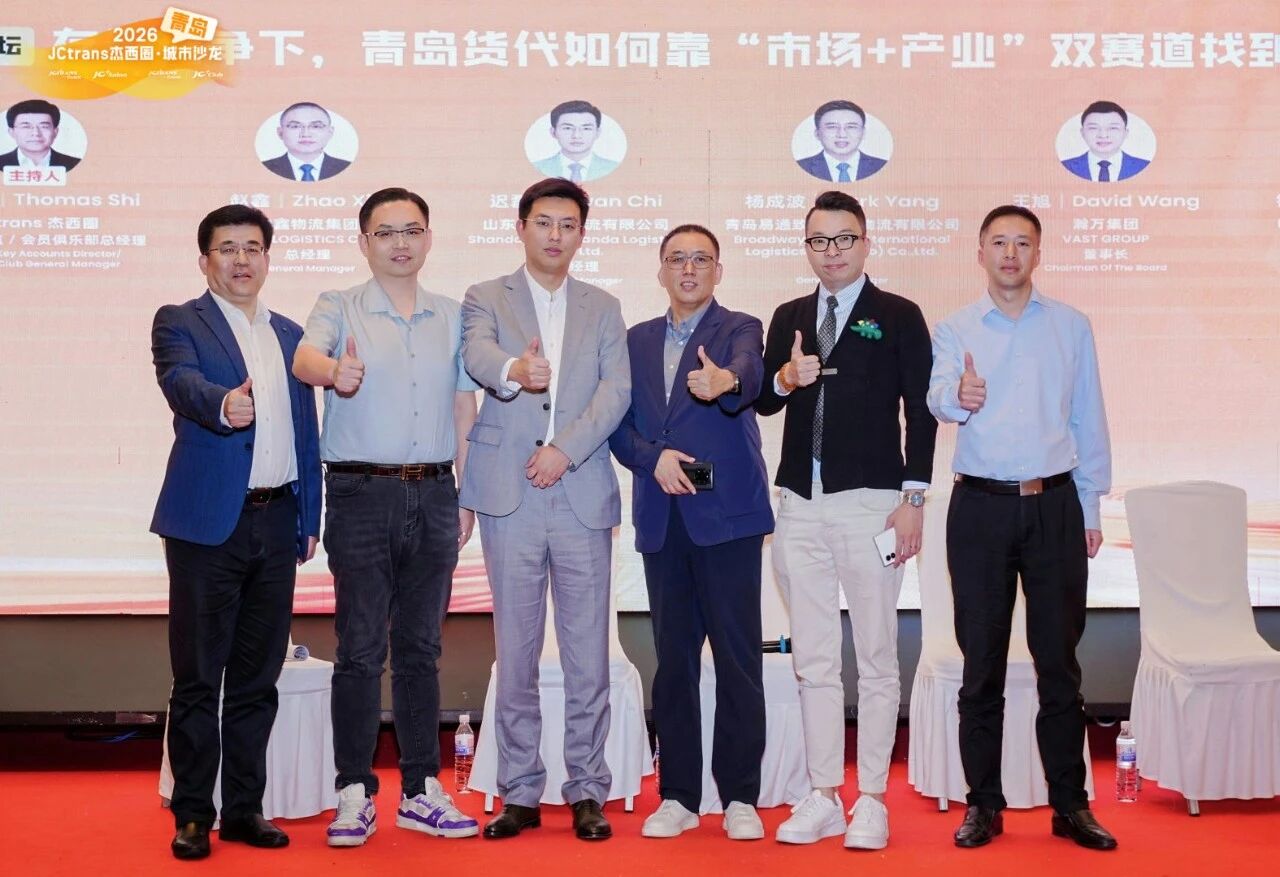
Every company has a different business foundation, resource base, and stage of development. The right direction depends on existing customer relationships, core strengths, and the ability to deliver on customer requirements.
The salon brought together freight forwarding professionals from different business segments and markets. Through real-world cases and front-line experience, participants shared insights on emerging market expansion, customer development, overseas agent cooperation, and business strategy.
Discussions covered market selection, the capabilities needed to handle new business, and how companies can allocate resources in line with their business priorities.
JCtrans City Salons will continue to visit different regions, meeting local freight forwarders, sharing business experience, and discussing practical challenges facing the industry.