



The global containership fleet is approaching a new capacity milestone. According to BIMCO, total fleet capacity was close to 34 million TEU at the beginning of September and is expected to pass that mark as more new ships are delivered. Over the past five and a half years, the fleet has added approximately 10 million TEU, an increase of 42%. With more than 14 million TEU of new capacity still on order, the global containership fleet is expected to continue growing rapidly over the next several years.
Key Highlights
• 34 million TEU milestone: The global containership fleet is set to surpass 34 million TEU.
• Continued fleet expansion: High levels of new ship deliveries and limited recycling of older vessels continue to drive fleet growth.
• Large orderbook: More than 14 million TEU of capacity is on order, making the future supply-demand balance an important issue to watch.
What Is Driving Such Rapid Fleet Growth?
Over the past five and a half years, the global containership fleet has grown from approximately 24 million TEU to 34 million TEU. This latest 10 million TEU increase has taken significantly less time than the previous one. Continued new ship deliveries have been a major driver, while the limited recycling of older vessels has added further to the expansion.
According to BIMCO, less than 300,000 TEU of containership capacity has been recycled over the past five and a half years. Meanwhile, nearly 2,000 containerships with a combined capacity of more than 5 million TEU are at least 20 years old. Although more ships may be recycled over the next several years, this is unlikely to fully offset new ship deliveries in the near term.
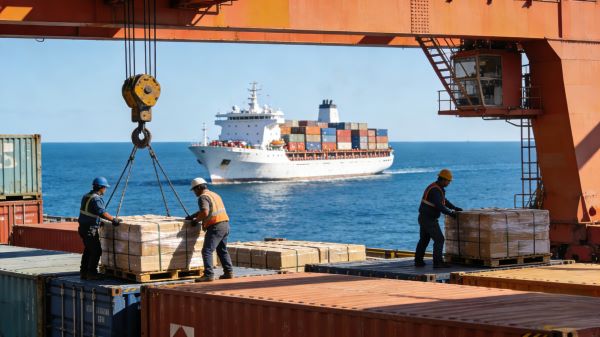
New Ships Are Getting Larger as Liner Operators Control More Capacity
The current fleet expansion involves not only more capacity but also changes in vessel size. Since the beginning of 2021, containerships with capacities above 12,000 TEU have accounted for approximately two-thirds of the 10 million TEU added. Their share of global fleet capacity has risen from around 30% to 40%, while the average size of a containership has increased by approximately 14%.
Liner operators accounted for around 85% of the capacity added over the past five and a half years. They now control approximately 65% of global containership capacity, further increasing the influence of large vessels and major liner operators on the global market.
More Than 14 Million TEU on Order—What Could It Mean for Freight Rates and the Supply-Demand Balance?
The global containership orderbook now exceeds 14 million TEU, with deliveries scheduled through the end of 2030. BIMCO estimates that, depending on vessel recycling, the fleet could add another 10 million TEU over the next five years and reach 44 million TEU.
At the same time, if Red Sea and Suez Canal routings gradually return to normal, some of the effective capacity currently absorbed by diversions around the Cape of Good Hope could be released back into the market, further increasing available capacity.
Fleet growth does not mean that all new capacity will immediately become available to the market. Service adjustments, vessel turnaround efficiency, and growth in global cargo volumes will all affect the actual supply-demand balance. If capacity growth continues to outpace cargo volume growth, competition among carriers could intensify, placing greater downward pressure on container freight rates.
For cargo owners and freight forwarders, the more relevant question over the next several years is whether cargo demand can absorb the additional capacity. If large numbers of new ships are delivered as normal routings resume, some markets could see a more pronounced increase in available capacity. If global trade continues to grow rapidly, however, the additional capacity may be absorbed gradually.
Sources and Disclaimer
Sources include BIMCO, Alphaliner, and publicly available shipping industry information. This article is provided solely for reference by the international logistics and freight forwarding industry. Specific arrangements remain subject to the latest notices issued by the relevant authorities and carriers.
Last
CBP Considers Expanded Import Data Disclosures; Carriers and Freight Forwarders May Need to Prepare Documentation Earlier
U.S. Customs and Border Protection (CBP) is considering broader disclosure requirements for the supply chains of goods imported in
Next
FedEx Freight Executive Terminated After Internal Investigation Finds Code of Conduct Violation
FedEx Freight has terminated Michael B. Lyons, Executive Vice President – Chief Specialized Services and Commercial Officer. The c