






U.S. President Donald Trump has again drawn attention with remarks made as tensions in the Strait of Hormuz remain high. On September 2, Trump posted on Truth Social proposing that the Strait of Hormuz be renamed “TRUMP STRAIT,” claiming that the United States now exercises “very strong control” over the waterway. Meanwhile, the military standoff between the United States and Iran continues, with merchant ships facing a series of attacks near the strait. An attack involving the Saudi-flagged tanker Sidr also left two Filipino crew members dead, while risks to commercial shipping remain high.
Key Highlights
• Renaming proposal: Trump has proposed renaming the Strait of Hormuz “Trump Strait.”
• Security risks: The military standoff between the United States and Iran continues, with risks to merchant shipping near the strait still rising.
• Shipping impact: A tanker attack resulting in fatalities has added further uncertainty to vessel transits and transportation costs.
Trump Proposes New Name as Strait of Hormuz Tensions Continue
On September 2, Trump wrote on Truth Social that, since the Strait of Hormuz was now under U.S. control, perhaps it should be renamed “TRUMP STRAIT.” Speaking at the White House the same day, he said the United States had “very strong control” over the strait and was prepared to strike Iran again at any time.
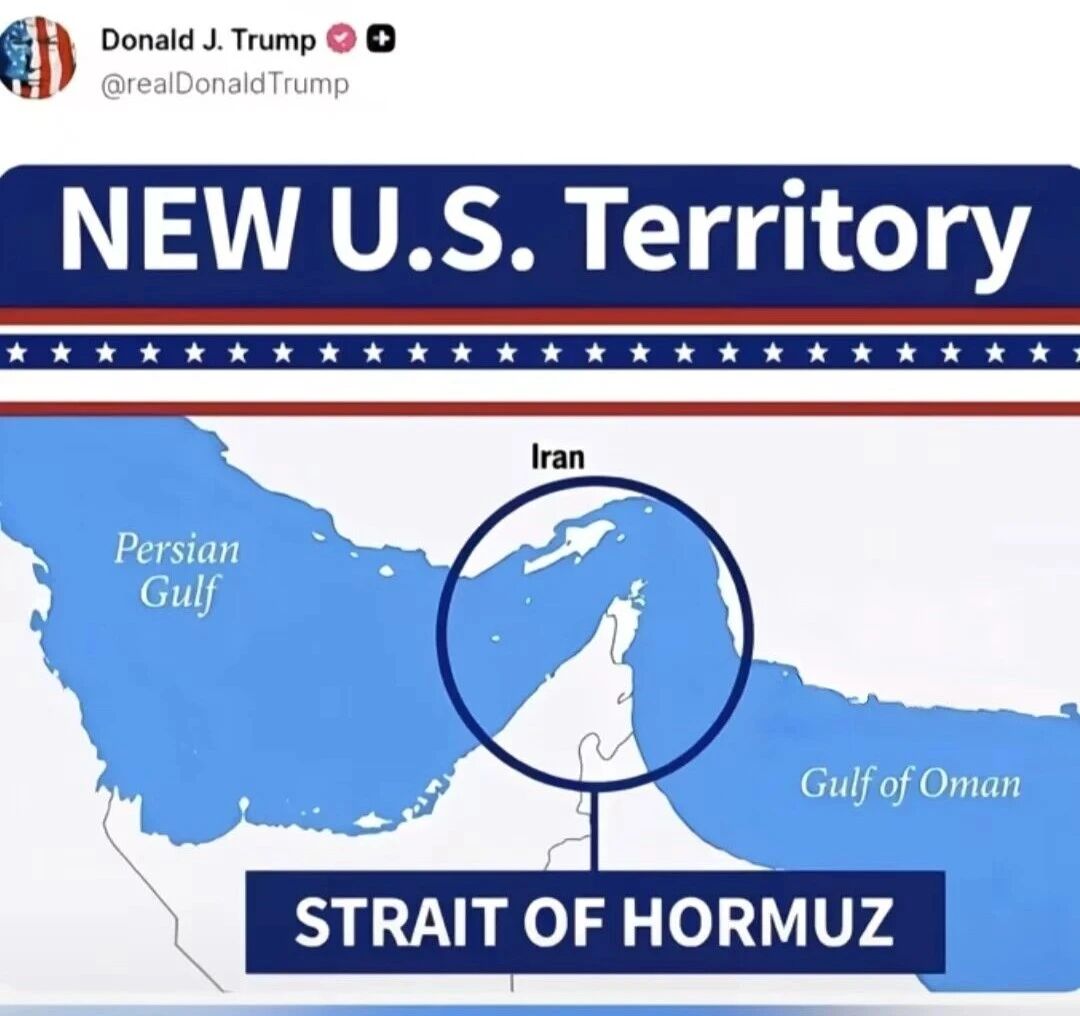
However, “Trump Strait” remains only a proposed name and has not been accepted internationally. Located between Iran and Oman, the Strait of Hormuz is a major international waterway connecting the Persian Gulf with the Gulf of Oman. A proposed name change would not alter its geographic location or role as a major international shipping lane. For the market, the continuing military activity and vessel security incidents around the strait are more significant than the political statement itself.
On August 18, Trump posted a map on social media marking the Strait of Hormuz as U.S. territory.
Merchant Ship Attacks Put Shipping Security in Focus
Attacks on merchant ships near the Strait of Hormuz have continued. Around August 31, the Saudi-flagged very large crude carrier Sidr was attacked, with Saudi authorities later confirming that two Filipino crew members had died. Reuters had also reported that two supertankers carrying Saudi oil were struck by unidentified projectiles in separate incidents near the Strait of Hormuz.
The United States and Iran also remain engaged in a military standoff. Iran has strongly condemned recent U.S. military action and accused the United States of responsibility for the related attacks and casualties. The United States has said that its military operations were intended to prevent Iran from disrupting shipping through the Strait of Hormuz. As the two sides have presented markedly different accounts of some incidents, the causes of specific attacks and the reported casualty figures have yet to be conclusively established and remain subject to further investigation and official confirmation.
How Could the Risks in the Strait Affect Shipping and Logistics?
For the international logistics market, the main concern is not whether the strait is renamed, but whether vessels can transit safely and what operational measures carriers will take. If security risks continue to rise, carriers may conduct more stringent navigational risk assessments and adjust routings, sailing schedules, and port calls as conditions require. These changes could also affect war risk surcharges, insurance premiums, and transit times. Vessel traffic through the Strait of Hormuz has already been noticeably affected by the situation, while concerns over potential disruption to energy shipments continue to drive oil-price volatility.
Freight forwarders, importers, and exporters with cargo moving through the Persian Gulf, the Gulf of Oman, and the wider Middle East should confirm the operating carrier, specific sailing, whether the vessel will transit the Strait of Hormuz, and the latest surcharge arrangements. It would be premature to conclude that the Strait of Hormuz has been fully closed. Similarly, U.S. claims of stronger control do not mean that shipping conditions have returned to normal. If the military standoff escalates further and attacks on merchant ships increase, sailing schedules, insurance costs, and overall logistics costs could change again.
At present, “Trump Strait” remains only a renaming proposal. The continuing military and security risks around the Strait of Hormuz are what ultimately matter to the international shipping market. For time-sensitive cargo, shipment planning should continue to be based on the latest carrier advisories and confirmed booking arrangements, with additional time allowed for possible schedule changes.
Sources and Disclaimer
Sources include Reuters, Al Jazeera, official information released by the United States and Iran, and other publicly available shipping industry information. This article is provided for informational purposes only and is intended for the international logistics and freight forwarding industry. Specific arrangements remain subject to the latest notices issued by the relevant authorities and carriers.
Last
Maersk Could Fall to Fourth as COSCO SHIPPING Holdings and CMA CGM Close In
The global container carrier capacity rankings could be heading for a major shake-up. According to the latest Alphaliner data rele
Next
More Carriers Resume Suez Canal Transits as Red Sea Traffic Gradually Returns
After more than a year of diversions around the Cape of Good Hope, a growing number of container ships are cautiously returning to

