



The container terminal market at Brazil’s Port of Suape is changing. Maersk-owned Aliança shifted its operations to APM Terminals Suape on September 1, leaving Tecon Suape, operated by ICTSI, facing the loss of a major share of its cargo volumes. ICTSI previously estimated that the transfer of Maersk-related volumes could reduce Tecon Suape’s throughput by approximately 30% to 35%, from around 720,000 TEUs in 2025 to about 450,000 TEUs, below its break-even level of approximately 550,000 TEUs. ICTSI has also said it received notice that MSC would cease container operations at Tecon Suape, raising the possibility of further volume losses.
Key Highlights
• Maersk volume shift: Maersk-related volumes have moved to APM Terminals Suape, with Aliança operating at the new terminal since September 1.
• Projected throughput: Tecon Suape previously estimated that its throughput could fall to around 450,000 TEUs, below its break-even level of approximately 550,000 TEUs.
• MSC notification: ICTSI said MSC would also cease container operations at Tecon Suape, although MSC has not publicly confirmed the timing of the move or the volumes involved.
Maersk Volume Shift Puts Pressure on Tecon Suape’s Throughput
The changes began with Aliança’s shift to APM Terminals Suape. Maersk confirmed on August 31 that Aliança would begin operating at the new terminal on September 1 while continuing to serve northeastern Brazil through its existing services. APM Terminals and Maersk are part of the same group.
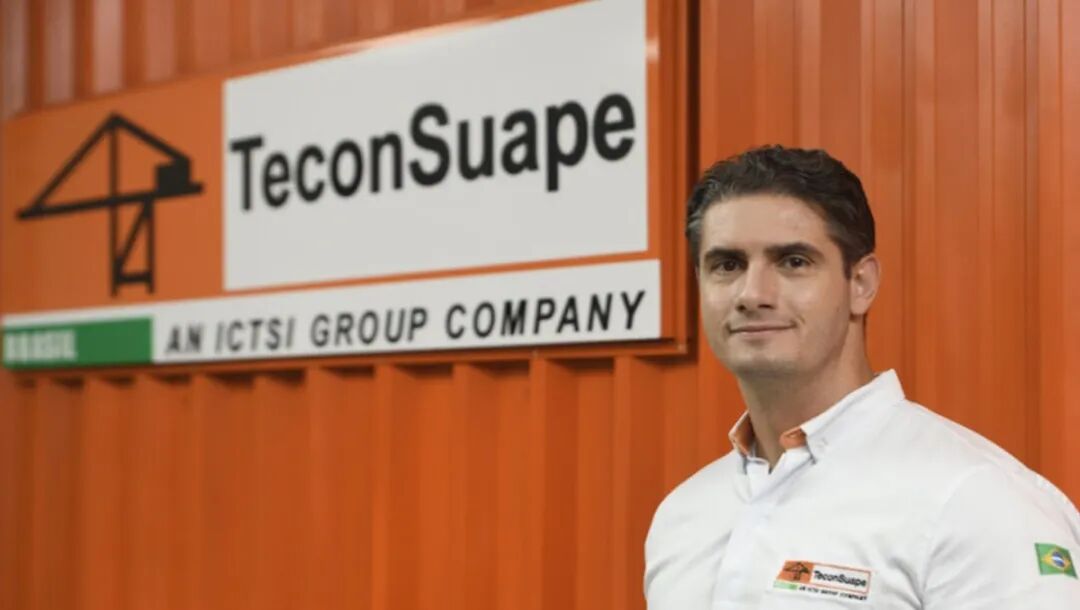
For Tecon Suape, the immediate impact is the loss of cargo volumes. Operated by Philippine port operator ICTSI, Tecon Suape has long served the Port of Suape and the wider northeastern Brazil market. ICTSI previously estimated that the transfer of Maersk-related cargo could reduce the terminal’s throughput by approximately 30% to 35%. The terminal handled around 720,000 TEUs in 2025. Based on this estimate, its annual throughput could fall to approximately 450,000 TEUs.
Projected Throughput Falls Below Break-Even as MSC Becomes a Key Variable
The main concern is how the decline in throughput could affect the terminal’s financial performance.
ICTSI previously disclosed that Tecon Suape’s break-even point under its current operating model was approximately 550,000 TEUs. If throughput falls to around 450,000 TEUs following the transfer of Maersk-related volumes, the terminal could operate approximately 100,000 TEUs below break-even. Given the high fixed costs of terminal operations, a decline below the break-even level could have a greater impact on profitability.
However, the 450,000 TEU figure is no longer a complete projection of the terminal’s future throughput. It was calculated based on the transfer of Maersk-related volumes before ICTSI disclosed that MSC had notified it of plans to cease container operations at Tecon Suape. On August 21, ICTSI said it had received the notice from MSC and had filed a complaint with the relevant Brazilian regulatory authorities. As MSC has not publicly confirmed the timing of any move or disclosed its volumes at Tecon Suape, it is not yet possible to determine accurately how much throughput the terminal could ultimately lose.
Whether MSC ultimately moves its cargo volumes, and whether other carriers follow, will therefore be key factors in determining whether the operating pressure on Tecon Suape increases further.
Direct Competition Between Terminals Puts Vertical Integration in Focus
With APM Terminals Suape now operational, the Port of Suape has moved from a market dominated by one main container terminal to direct competition between the existing and new facilities. APM Terminals previously said that the project involved an investment of approximately USD 350 million and that its first phase would have an annual handling capacity of around 400,000 TEUs. The project is an important part of Maersk’s efforts to integrate its shipping, terminal, and logistics operations in northeastern Brazil.
For ICTSI, the dispute is not about opposing the addition of another container terminal at the Port of Suape. The central issue is whether established cargo volumes are shifting because of the corporate relationship between the carrier and terminal operator. ICTSI has filed complaints with Brazilian authorities including CADE, TCU, and Antaq, seeking a review of APM Terminals’ operating arrangements and the transfer of cargo volumes.
From an industry perspective, the issue extends beyond the operating performance of Tecon Suape and highlights the broader trend toward vertical integration between carriers and terminal operators. When a carrier also owns or controls a terminal, cargo flows can become more closely aligned between its shipping and terminal businesses, potentially changing how independent terminals compete for stable volumes.
Overall container volumes at the Port of Suape are not simply disappearing but are being redistributed between terminals. Attention will now focus on MSC’s plans, Tecon Suape’s actual throughput, and whether other carriers make similar moves. If cargo volumes become more concentrated at APM Terminals Suape, the competitive landscape at the port could continue to change.
Sources: Maersk, APM Terminals, ICTSI, Agência iNFRA, and publicly available information from Brazil’s port industry.
Last
Russian Vessel Arrested in Norway as Naftogaz Seeks Enforcement of USD 4.22 Billion Award
Norwegian authorities arrested the Russian vessel Professor Molchanov at the Port of Barentsburg in Svalbard on September 2. The a
Next
Merchant Ships Collide in Turkiye's Sea of Marmara: One Cargo Ship Sinks, 10 Crew Members Missing
Two Turkish-flagged merchant ships collided near Silivri in the Sea of Marmara early on September 2 local time. One of the vessels