






The global VLCC market has recently seen an unusual surge. Baltic Exchange data show that as of August 28, daily earnings on the Saudi Arabia–China VLCC route had approached USD 650,000, more than ten times the level recorded a year earlier. Earnings on the Oman–China route also rose from approximately USD 131,000 per day a month earlier to nearly USD 220,000 per day. The rapid increase reflects the combined effects of route risks, longer voyages, and changes in effective vessel supply.
Key Highlights
• Saudi Arabia–China VLCC route: Approximately USD 647,000 per day, more than ten times the year-earlier level
• Oman–China VLCC route: Approximately USD 219,400 per day, up from around USD 131,000 a month earlier
• Sinokor: The company has acquired 73 vessels since the beginning of 2026, investing nearly USD 6 billion and expanding its VLCC fleet to approximately 93 vessels
Route Changes and Tighter Vessel Supply Drive Rapid Rise in VLCC Rates
The latest tanker market rally is not simply the result of higher crude oil volumes. More importantly, the effective vessel supply available for cargo movements is tightening. Route risks, insurance costs, and operational arrangements have reduced the number of vessels able to undertake certain voyages, intensifying competition among charterers for limited tonnage.
Meanwhile, some Middle East crude oil shipments are using more flexible operating arrangements, including ship-to-ship (STS) transfers followed by onward transportation aboard other large tankers. Changes in routes and operating procedures can increase the time required for a VLCC to complete a voyage, effectively reducing the number of vessels available to take on new cargoes during the same period. More Middle East crude oil shipments have recently bypassed the Strait of Hormuz and used STS transfers near Fujairah in the United Arab Emirates and Sohar in Oman.
These changes are directly reflected in market rates. Baltic Exchange data show that daily earnings on the Saudi Arabia–China VLCC route reached approximately USD 647,000 on August 28, while earnings on the Oman–China route rose to around USD 219,400. Put simply, cargo volumes do not need to increase tenfold for rates to rise by that amount. A decline in available tonnage and longer voyage durations can push rates up far more sharply than cargo volumes.
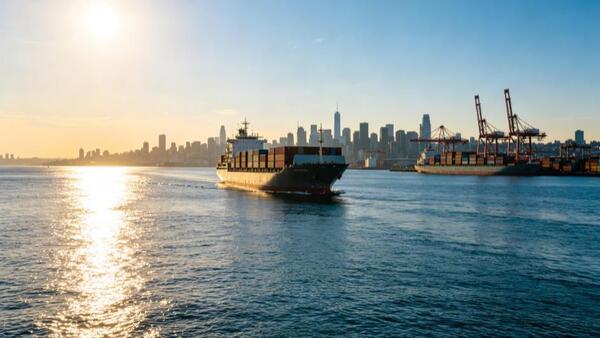
Sinokor’s Fleet Expansion Coincides With High VLCC Rates
Before VLCC rates began rising rapidly, South Korean shipowner Sinokor Group had already made a series of major secondhand tanker acquisitions. According to Veson Nautical, Sinokor was involved in 35 of the 45 VLCC transactions completed in early 2026, accounting for 78% of the total, with a combined transaction value exceeding USD 2.5 billion.
Sinokor subsequently continued to expand its fleet. Citing Veson Nautical data, Riviera Maritime Media reported that Sinokor had acquired 73 vessels as of August, investing nearly USD 6 billion. Clarksons data show that its VLCC fleet has grown to approximately 93 vessels, with a combined deadweight capacity of more than 28.3 million tonnes.
Sinokor’s large-scale vessel acquisitions have coincided with an exceptionally strong tanker market. However, this should not simply be viewed as a successful advance bet on market conditions. Secondhand vessel prices, charter rates, and voyage freight rates are closely interconnected. In a rising market, a large fleet can generate higher asset values and operating returns. If the market weakens, however, a larger fleet also brings higher financing costs and operating risks.
Can Earnings of USD 650,000 per Day Last? These Variables Will Be Critical
For shipowners, the current high rates mean higher earnings. For crude oil traders, refineries, and charterers, however, they mean significantly higher shipping costs. When a VLCC generates hundreds of thousands of dollars in daily earnings, the cost of long-haul crude oil shipments also rises and may ultimately affect crude oil trading and supply chains.
Recent developments in the VLCC market therefore warrant continued attention from the international logistics and energy supply chain sectors. Whether rates remain elevated will largely depend on route risks in the Middle East, transit conditions in the Strait of Hormuz, actual crude oil shipping demand, available VLCC capacity, and shifts in global crude oil trade flows. If route risks persist and vessel turnaround times remain extended, effective vessel supply may remain tight. Conversely, if shipping routes return to normal and vessel turnaround improves, the current exceptionally high rates may gradually decline.
The latest market rally shows that tanker rates are determined not only by the volume of cargo available, but also by how many vessels are available to carry it via suitable routes at the required time. Whether USD 647,000 per day represents a temporary market extreme or the beginning of a broader revaluation of the VLCC market remains to be seen.
Sources and Disclaimer
Sources include the Baltic Exchange, Veson Nautical, Riviera Maritime Media, and other publicly available industry information. This article is provided solely for industry reference. Specific circumstances remain subject to the latest official information.
Last
Akkon Suspends Calls at All Russian Ports as Novorossiysk Services Face Further Disruption
Turkish container carrier Akkon Lines has further scaled back its Russian services. On August 27, local time, the company informed
Next
Crane Lifting Accident at Mumbai Port Causes Collision and Fire, Injuring Two
A crane lifting accident occurred at Indira Dock in Mumbai Port, India, on the evening of August 30, local time. A mobile crane be

